Product Description
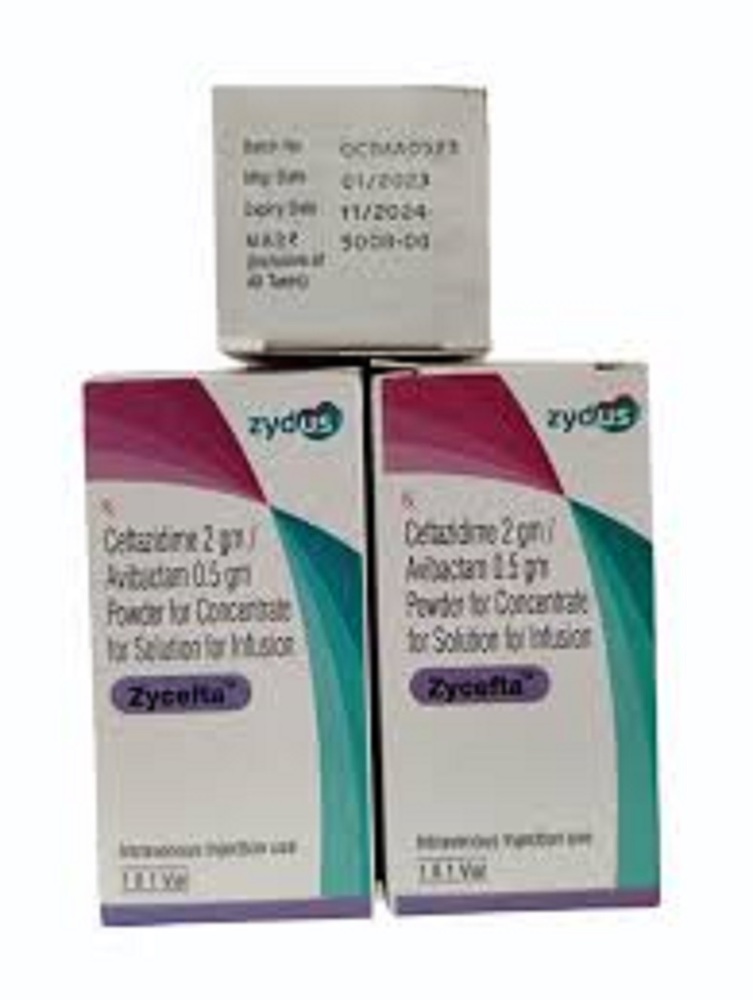
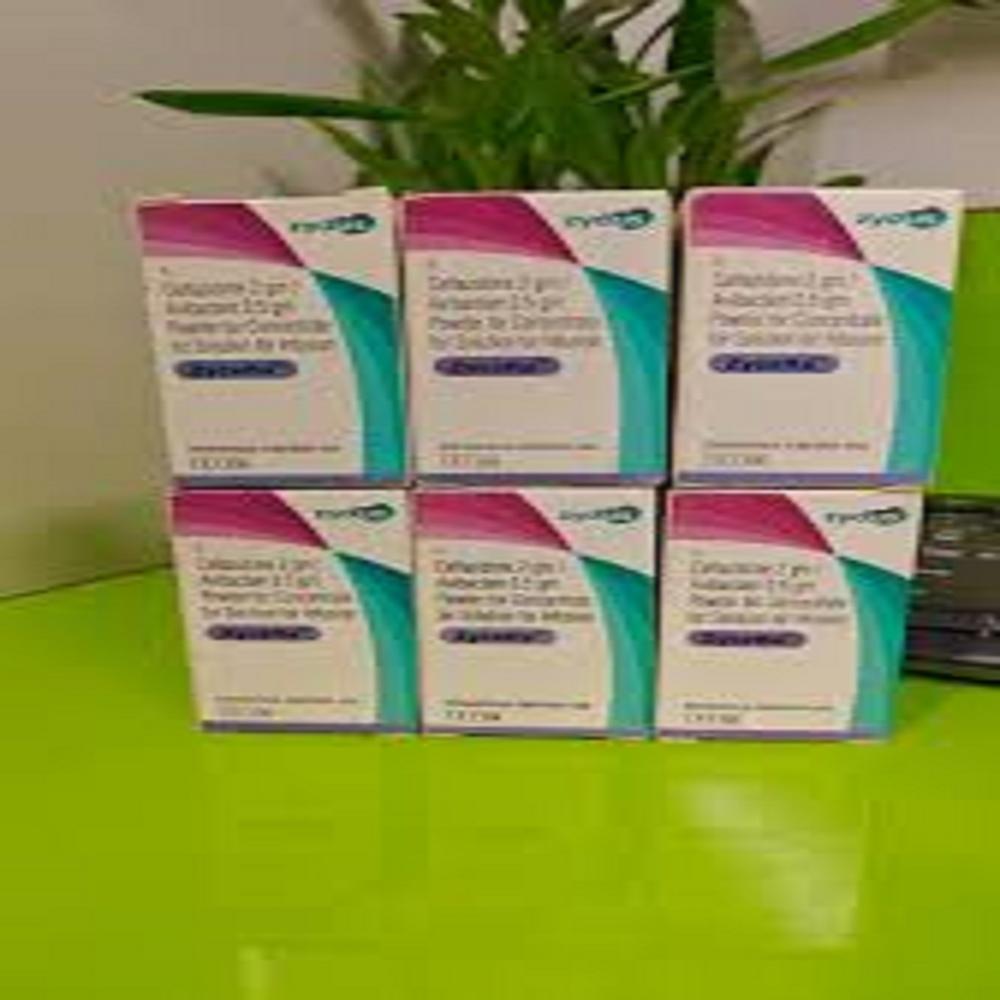
Zycefta 2000mg/500mg Injection is given as an injection into a vein by a trained healthcare professional. It should be used regularly as prescribed by your doctor. Do not skip any doses and finish the full course of the treatment even if you feel better. Stopping the medicine too early may lead to the infection returning or worsening.The most common side effects of Zycefta 2000mg/500mg Injection include diarrhea, nausea, vomiting, rash, and infusion site phlebitis. These are usually mild but let your doctor know if they bother you or last more than a few days. This medicine may also cause diarrhea as a side effect. Taking probiotics along with this medicine may provide help.Before using it, tell your doctor if you are allergic to any antibiotics or have any kidney or liver problems. You should also let your doctor know about all the other medicines you are taking, as they may affect or be affected by this medicine. Pregnant and breastfeeding mothers should consult their doctor before using it.Important Administration InstructionsZycefta 2.5 Mg Injection must only be used under medical supervision in hospital or clinical settings. Before administration, the powder is reconstituted with a sterile water solution as per healthcare provider instructions. The dose and route (intravenous or intramuscular) depend on the infection severity and the patient's condition.
Therapeutic Benefits and IndicationsThis ceftazidime-based injection belongs to the cephalosporin class of antibiotics, making it highly effective against a wide spectrum of serious bacterial infections. Zycefta is indicated for respiratory, urinary tract, skin, and abdominal infections, providing critical treatment to both adults and children as prescribed.
Storage and Handling GuidelinesZycefta should be stored below 25C and protected from light. Once reconstituted, the solution should be used promptly. Always keep the vial out of reach of children and dispose of any unused contents as per hospital protocols to ensure safety.
FAQ's of Zycefta 2.5 Mg Injection:
Q: How should Zycefta 2.5 Mg Injection be administered?
A: Zycefta 2.5 Mg Injection should be administered intravenously or intramuscularly after proper reconstitution with sterile water, strictly under the supervision of a healthcare professional in hospital or clinical settings.
Q: What types of infections is Zycefta 2.5 Mg Injection recommended for?
A: Zycefta is used for treating severe bacterial infections, including those affecting the respiratory tract, urinary tract, skin, and abdominal area.
Q: When should Zycefta 2.5 Mg Injection not be used?
A: This injection should not be administered to patients with known hypersensitivity to cephalosporins or those with allergies to beta-lactam antibiotics. Always inform your doctor about any allergies before starting treatment.
Q: What process is followed before administering Zycefta 2.5 Mg Injection?
A: Before administration, the powder is reconstituted by adding the advised amount of sterile water. The solution is then checked for clarity and administered by a qualified healthcare provider.
Q: What are the common side effects of Zycefta 2.5 Mg Injection?
A: Possible side effects include nausea, diarrhea, allergic reactions, and reactions at the injection site. Notify your healthcare provider if you experience unusual or severe symptoms.
Q: Where should Zycefta 2.5 Mg Injection be stored and handled?
A: The injection should be stored below 25C and protected from light. Only trained personnel should handle and administer the medication.
Q: What benefits does Zycefta provide in the treatment of bacterial infections?
A: Zycefta delivers effective action against a broad range of bacteria, making it vital for managing severe infections and helping to reduce complications when used as directed by a physician.