Product Description
Product introduction
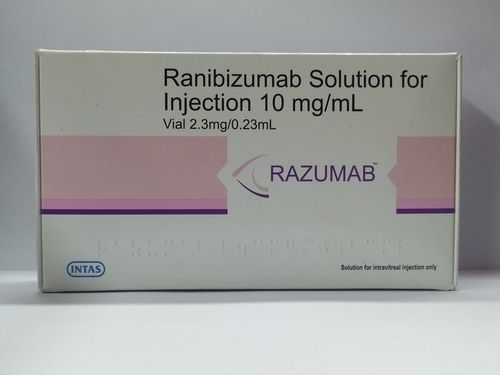
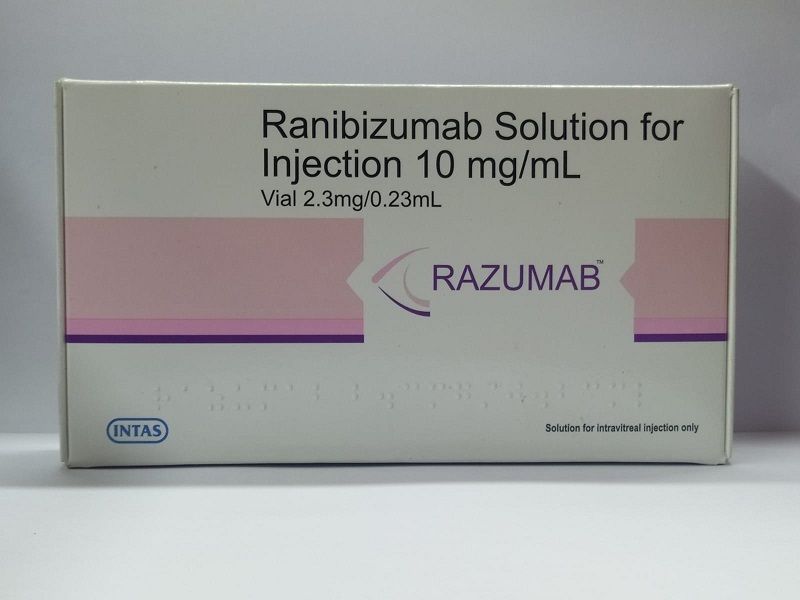
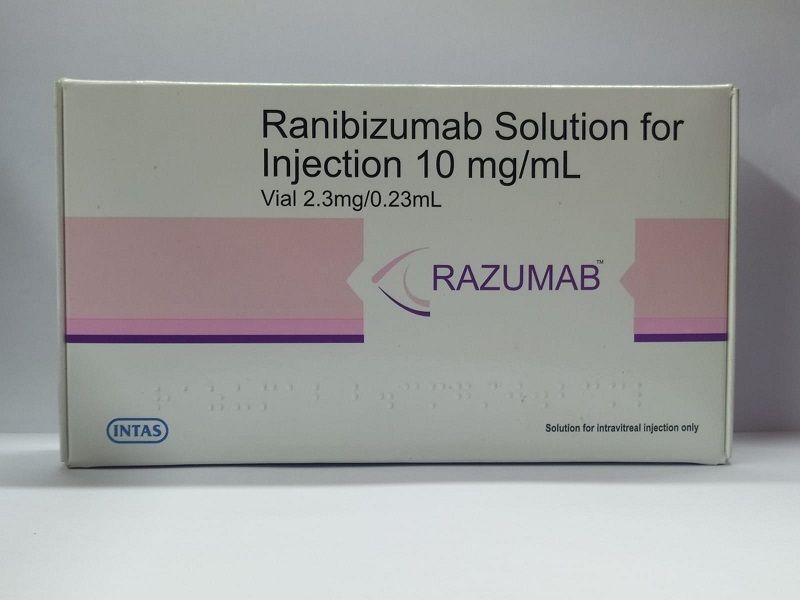
Razumab 2.3mg Injection is used for the treatment of eye diseases which are caused by diabetes, macular degeneration, and macular swelling. It reduces the abnormal growth and leakage of blood vessels in the eye that can cause vision loss.
Razumab 2.3mg Injection is administered directly into the eyeball by an eye specialist. You should not self administer this medicine at home. The common side effects include conjunctival hemorrhage, eye pain, eye floaters, increased intraocular pressure, and eye inflammation.
However, if you experience these side effects for a longer duration or any other symptoms which you think may be due to this medicine, please inform your doctor. It is not advised to drive after administration of this injection as it may cause blurring of vision.
Uses of Razumab Injection
Side effects of Razumab Injection
Most side effects do not require any medical attention and disappear as your body adjusts to the medicine. Consult your doctor if they persist or if youre worried about them
How Ranibizumab Injection (LUCENTIS) WorksLUCENTIS contains ranibizumab, an anti-VEGF agent that blocks vascular endothelial growth factor to prevent the growth of abnormal blood vessels and reduce fluid leakage in the eye. This action helps preserve and improve vision in conditions such as wet age-related macular degeneration, diabetic retinopathy, and macular edema. LUCENTIS is specifically designed for targeted delivery within the eye through intravitreal injection, maximizing its therapeutic benefits.
Administration Process and Professional UsageRanibizumab injection is administered via intravitreal injection-directly into the vitreous chamber of the eye-exclusively by qualified ophthalmologists in a clinical or hospital setting. Each single-use glass vial is intended for one-time administration to minimize risk of contamination. Dosage and frequency are determined by the prescribing physician based on the patient's condition and response to treatment.
Safety, Storage, and Stability InformationLUCENTIS should be kept refrigerated at 2C to 8C, protected from light, and never frozen. It is presented as a sterile, clear to pale yellow solution in a single-use vial with a shelf life of approximately 24 months when properly stored. Because it is a prescription-only medication, it should only be handled and administered by healthcare professionals to ensure patient safety.
FAQ's of Ranibizumab Injection:
Q: How is LUCENTIS (Ranibizumab Injection) administered and by whom?
A: LUCENTIS is administered through an intravitreal injection directly into the eye. This procedure must be performed by a qualified ophthalmologist or healthcare professional within a hospital or clinical setting to ensure safety and precision.
Q: What eye conditions does LUCENTIS treat?
A: LUCENTIS is indicated for adults with neovascular (wet) age-related macular degeneration, diabetic macular edema, diabetic retinopathy, and macular edema following retinal vein occlusion. It is effective in halting and potentially improving vision loss associated with these conditions.
Q: When and how often should I receive LUCENTIS injections?
A: The frequency and schedule of LUCENTIS injections are determined by your ophthalmologist based on the nature and severity of your condition. Typically, it starts with monthly injections, but treatment intervals may be adjusted as the eye responds.
Q: Where should LUCENTIS be stored before use?
A: LUCENTIS vials should be kept refrigerated at 2C to 8C, protected from light, and must not be frozen. The medication should remain in its original packaging until it is ready to be administered by a healthcare provider.
Q: What benefits does ranibizumab provide for patients with retinal diseases?
A: Ranibizumab helps inhibit abnormal blood vessel growth and leakage in the retina, reducing swelling and preventing further vision impairment. Many patients experience improved or stabilized vision with regular, physician-guided therapy.
Q: What precautions should be taken regarding the use of LUCENTIS?
A: LUCENTIS is for single-use only and must be administered solely by a trained ophthalmologist in a clinical setting. Patients should not attempt to use it themselves. Proper sterility and safe handling practices must be maintained by healthcare professionals to avoid complications.