Product Description
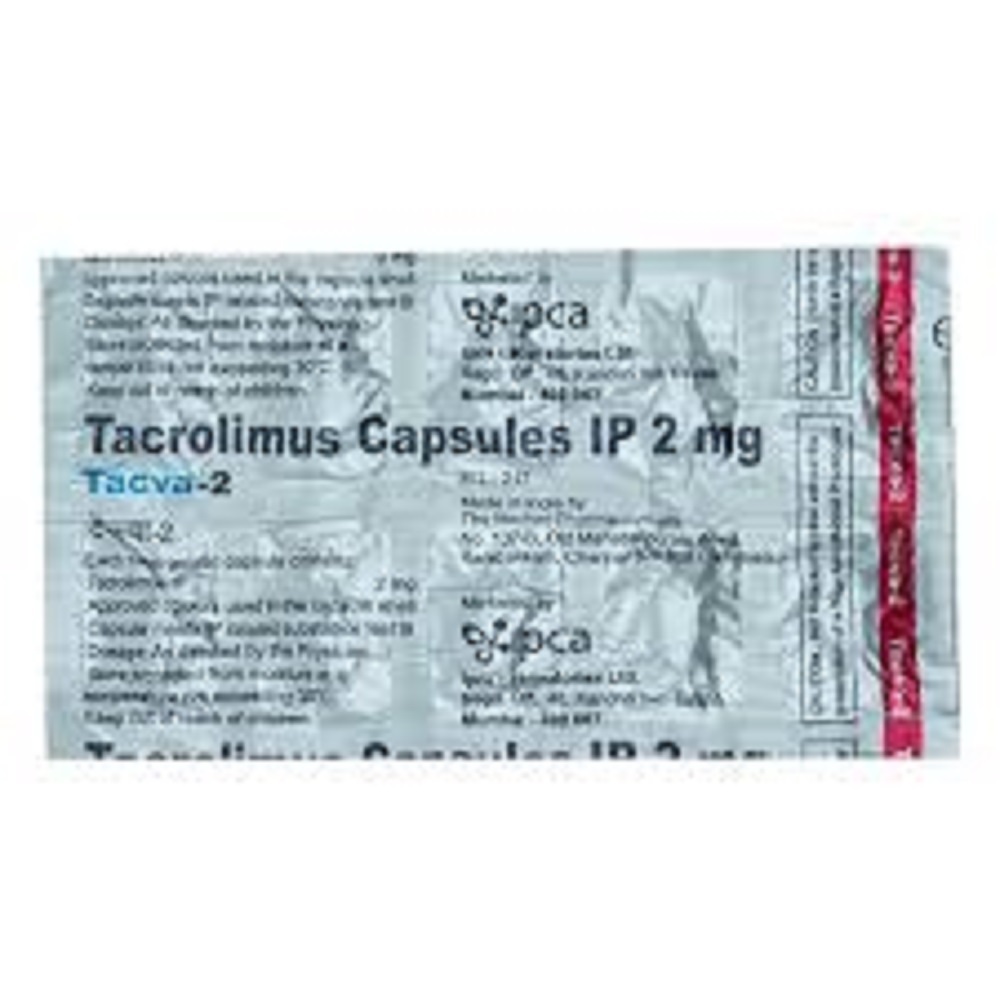
Tacva 2mg Capsule is used along with other medicines to prevent your body from rejecting a new organ (e.g., liver, kidney, or heart) after transplant. It does so by weakening your bodys immune system, so it does not attack the new organ. This medication belongs to a class of drugs known as immunosuppressants.The amount of Tacva 2mg Capsule you take and how often you take it depends on the type of transplant you have, your body weight, and what other medicines you are taking. Follow your doctors instructions carefully. You should take it on an empty stomach, at least 1 hour before or 2 hours after a meal. Take this medicine regularly to get the maximum benefit and keep taking it, even if you feel well. If you stop taking it, you may increase the chances of rejecting your transplanted organ.
Reliable Immunosuppression for Transplant SuccessTacva 2 Mg Capsules play a crucial role in the ongoing care of organ transplant recipients by suppressing the immune response that can lead to organ rejection. As a part of the allopathic regimen for long-term transplant care, Tacva is trusted by healthcare professionals and provides essential support to patients during their recovery and beyond.
Safe and Convenient Dosage FormFormulated as easy-to-swallow capsules, Tacva comes in a user-friendly white/blue hard gelatin capsule. Each Alu-Alu blister strip contains 10 capsules, promoting optimal storage and protection. The recommended dosage must be followed strictly as prescribed by a physician to maximize safety and efficacy.
Stringent Storage and Administration GuidelinesTacva should be kept at temperatures below 25C and safeguarded from moisture and light to preserve potency. Patients are advised to take their dose at the same time daily, on an empty stomach, or as instructed by their physician to optimize Tacrolimus absorption and maintain stable drug levels.
FAQ's of Tacva 2 Mg Capsules:
Q: How should Tacva 2 Mg Capsules be taken for best results?
A: Tacva 2 Mg Capsules should be taken at the same time every day, preferably on an empty stomach or as directed by your physician. Consistency in timing and method of administration helps maintain stable Tacrolimus levels in your body, supporting successful organ transplant outcomes.
Q: What is the main benefit of using Tacva 2 Mg Capsules after organ transplantation?
A: The primary benefit of Tacva 2 Mg Capsules is to suppress the immune system, reducing the risk of your body rejecting the transplanted kidney, liver, or heart. When taken as prescribed, Tacva helps ensure long-term organ survival and healthier outcomes for transplant recipients.
Q: When should Tacva 2 Mg Capsules not be used?
A: Tacva 2 Mg Capsules are contraindicated in individuals with known hypersensitivity to Tacrolimus or any of its excipients. Use should be strictly avoided in such cases to prevent allergic reactions or other adverse health effects.
Q: What precautions should be followed while storing Tacva 2 Mg Capsules?
A: Store Tacva capsules below 25C in a dry place, protected from moisture and light. Keep the medicine in its original Alu-Alu blister strips until use and out of reach of children.
Q: Where can I obtain Tacva 2 Mg Capsules, and is a prescription necessary?
A: Tacva 2 Mg Capsules are available through licensed dealers, distributors, exporters, importers, manufacturers, retailers, suppliers, traders, and wholesalers in India. A valid prescription from a qualified healthcare professional is required to obtain this medication.
Q: What process is followed for Tacva 2 Mg Capsules packaging and dispensing?
A: Tacva is packaged in Alu-Alu blister strips, with each strip containing 10 capsules. For bulk supply, 10 such strips are provided per box, ensuring protection from external elements and ease of dispensing for both retailers and patients.
Q: Who is recommended to use Tacva 2 Mg Capsules and for what indication?
A: Tacva 2 Mg Capsules are recommended for adult organ transplant recipients as an immunosuppressant to prevent rejection of transplanted kidneys, livers, or hearts. Dosage and administration should always be guided by your healthcare provider.