Product Description
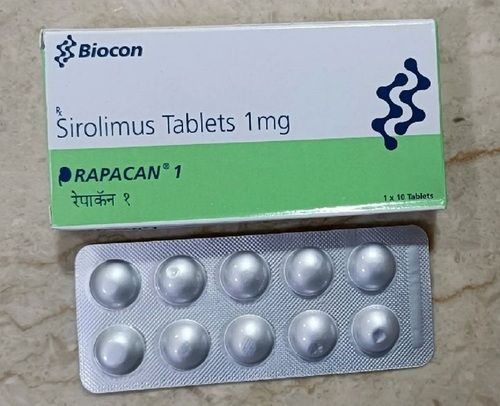
Rapacan 1mg Tablet is used for prevention of organ rejection in transplant patients. It regulates the bodyis immune response, so the body can accept the new organ.Rapacan 1mg Tablet must be taken in a dose and duration as per the prescription. It can be taken with or without food but make sure to take it at about the same time every day. An overdose of this medicine may have serious side effects on the body.Common side effects of this medicineincludeedema, increased blood lipid level, high blood pressure, increased level of creatinine, abdominal pain, diarrhea, headache, fever, urinary tract infection, anemia, nausea, joint pain, and thrombocytopenia. If any of the side effects persist or bother you, consult the doctor immediately. Inform the doctor immediately if you experience any allergic reactions such as rash, shortness of breath, coughing, swelling, etc.Before taking this medicine, it is important to consult your doctor if you have any ongoing medication for any underlying disease. Pregnant and breastfeeding women must inform the doctor prior to the initiation of this treatment. During the treatment, your doctor may advise you for some laboratory tests to know the effects of the medicine in the body. If you notice signs of infection, any changes in the appearance or size of a mole, unusual growths or lumps, or unusual tiredness or weakness during the treatment, you must consult the doctor immediately.Reliable Organ Transplant Rejection ProphylaxisRapacan 1 Mg Tab works by suppressing the immune system's response, which helps in preventing organ rejection following renal transplantation. Its active ingredient, sirolimus, is classified under ATC code L04AA10 and is widely recognized for its effectiveness in transplant immunosuppression. This makes it a crucial part of post-transplant care for eligible adult patients.
Guidelines for Safe Usage and StorageTake Rapacan 1 strictly as prescribed by your physician, with or without food. Store the tablets below 25C and keep them away from moisture to retain their stability for up to 24 months. Ongoing clinical monitoring and professional medical supervision are essential throughout the course of therapy due to the potential for side effects and the need for dosage adjustments based on individual response.
FAQ's of Rapacan 1 Mg Tab:
Q: How should Rapacan 1 Mg Tab be taken for optimal efficacy?
A: Rapacan 1 Mg Tab should be taken orally, either with or without food, exactly as directed by your physician. Adhering closely to the prescribed dosage schedule is vital for effective prevention of organ rejection after renal transplantation.
Q: What is the primary benefit of using Rapacan 1?
A: The main benefit of Rapacan 1 is its proven ability to reduce the risk of organ rejection in adult patients who have undergone renal transplantation, thereby increasing the chances of long-term graft survival.
Q: When is Rapacan 1 typically prescribed?
A: Rapacan 1 is prescribed as a prophylactic immunosuppressive therapy following kidney transplantation to help prevent the body's immune system from rejecting the new organ.
Q: What precautions should be followed during Rapacan 1 treatment?
A: Use Rapacan 1 only under strict medical supervision. Regular laboratory monitoring is necessary to detect side effects such as hyperlipidemia, thrombocytopenia, anemia, or infections. Report any unusual symptoms to your doctor promptly.
Q: Where should Rapacan 1 Mg Tab be stored to ensure its stability?
A: Store Rapacan 1 Mg Tab below 25C and protect it from moisture. Keeping the medication in its original packaging ensures it remains effective throughout its 24-month shelf life.
Q: What are the possible side effects of Rapacan 1 Mg Tab?
A: Common side effects include hyperlipidemia, thrombocytopenia, anemia, and an increased risk of infections. Regular medical follow-up helps manage and monitor these potential complications.