Product Description
.Piptaz-T Injection is generally administered by a healthcare professional and should not be self-administered. Depending on the severity of your underlying illness, your doctor will decide the precise dose and schedule as per which this injection is to be given. It is strictly advised to be used as per the doctors prescription.
Some of the common side effects of this medicine include nausea, vomiting, diarrhea, and rash. Additionally, you may notice some injection site reactions like pain, swelling, or redness. You should consult your doctor if these side effects do not get better with time and persist for a longer duration.
Before using the medicine, you should tell your doctor if you are allergic to any antibiotics or have any kidney or liver problems. Your doctor may change the dose or prescribe a different medicine. This medicine is generally considered safe to use during pregnancy and breastfeeding if used under a doctors supervision.
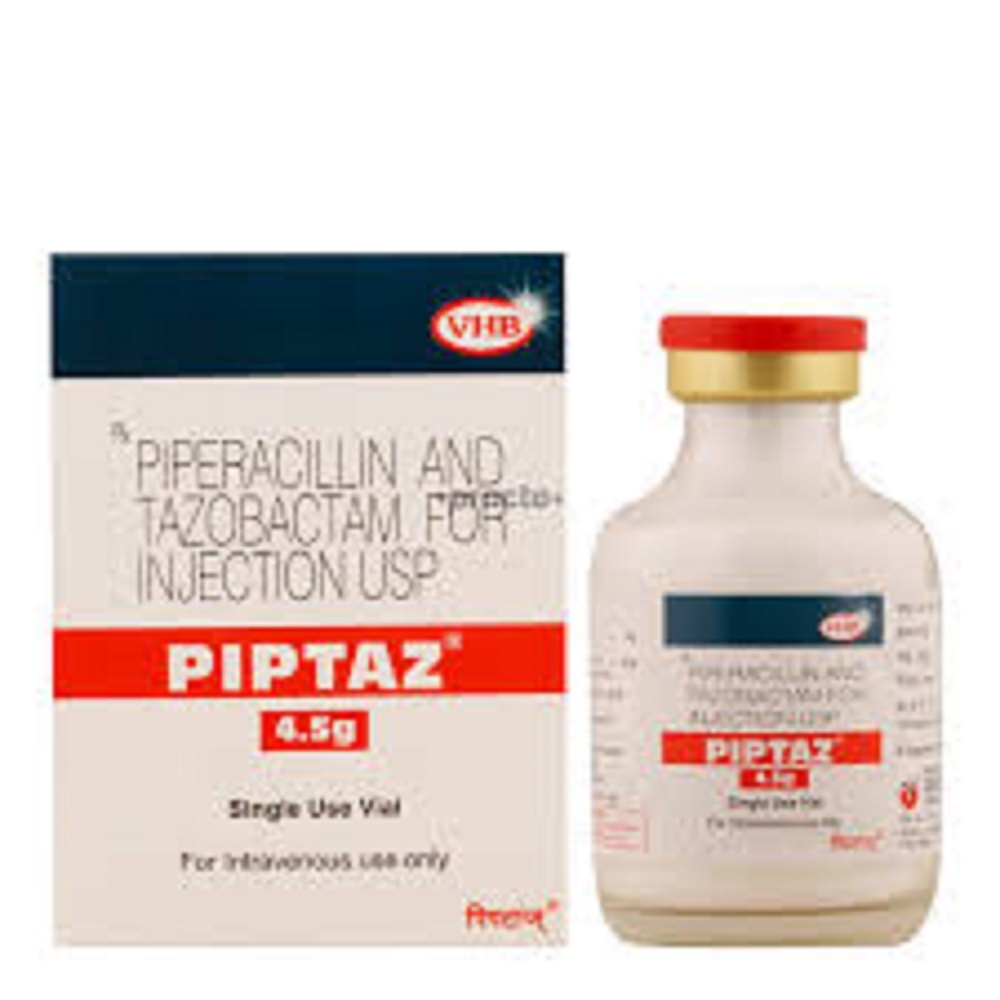
Effective Broad-Spectrum AntibioticPiptaz 4.5gm Injection combines piperacillin and tazobactam, making it highly effective against a wide range of moderate to severe bacterial infections. This combination enhances antibiotic effectiveness, ensuring optimal treatment outcomes for patients with various infections caused by susceptible organisms.
Proper Use and AdministrationFor maximum effectiveness, Piptaz should be administered intravenously after dissolving the powder in the designated solvent. Only a qualified healthcare provider should prepare and inject the solution, following dosing instructions as prescribed by the physician. Adhering to proper reconstitution and administration procedures is essential for patient safety.
Storage and HandlingTo maintain its stability and potency, Piptaz Injection should be stored below 25C and protected from light. Each vial is intended for single use, and unused solution or residue should be safely discarded. Be sure to check the expiry date before use, and always follow local guidelines for medical waste disposal.
FAQ's of Piptaz 4.5gm Injection:
Q: How should Piptaz 4.5gm Injection be administered?
A: Piptaz 4.5gm Injection should be reconstituted with the prescribed solvent and given intravenously, under direct supervision of a healthcare professional. It is not suitable for self-administration or other routes.
Q: What types of infections does Piptaz treat?
A: Piptaz Injection is indicated for treating moderate to severe bacterial infections caused by susceptible organisms, including respiratory tract, urinary tract, skin, and intra-abdominal infections.
Q: When should I not use Piptaz Injection?
A: You should avoid using Piptaz if you are known to be hypersensitive to penicillins, beta-lactam antibiotics, or any of its ingredients. Report any history of allergies to your physician prior to use.
Q: What are the common side effects of Piptaz Injection?
A: Some common side effects include nausea, diarrhea, rashes, and reactions at the injection site. If you experience severe allergic reactions or unusual symptoms, consult your healthcare provider immediately.
Q: Where should Piptaz Injection be stored before use?
A: Keep the vials stored below 25C and protected from light. Do not freeze the powder, and ensure the medicine is kept out of reach of children at all times.
Q: What is the process for preparing Piptaz Injection for use?
A: The powder must first be dissolved in the specified solvent by a healthcare professional, then administered intravenously. Detailed instructions for reconstitution are provided in the package insert.
Q: What are the benefits of using Piptaz for bacterial infections?
A: Piptaz offers rapid and broad-spectrum antibacterial action, increasing the chances of successful treatment, especially for moderate to severe infections where prompt intervention is critical.