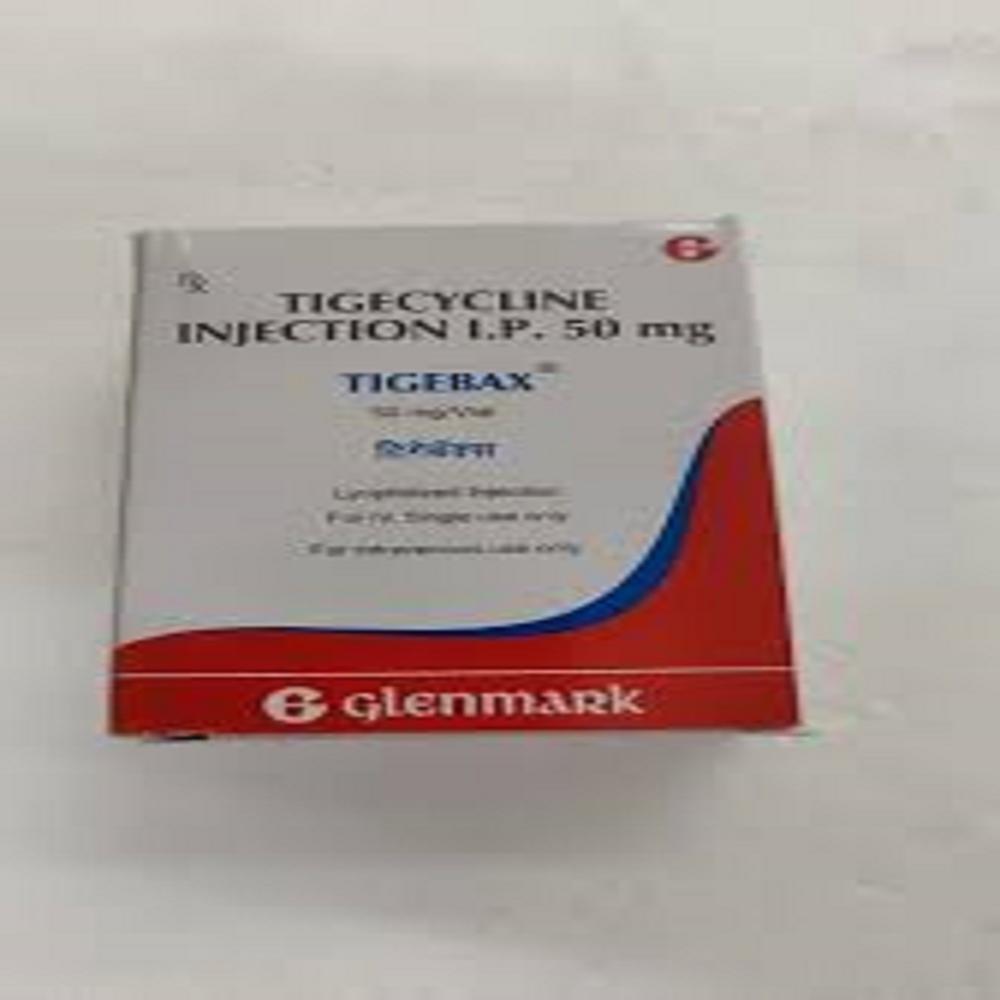
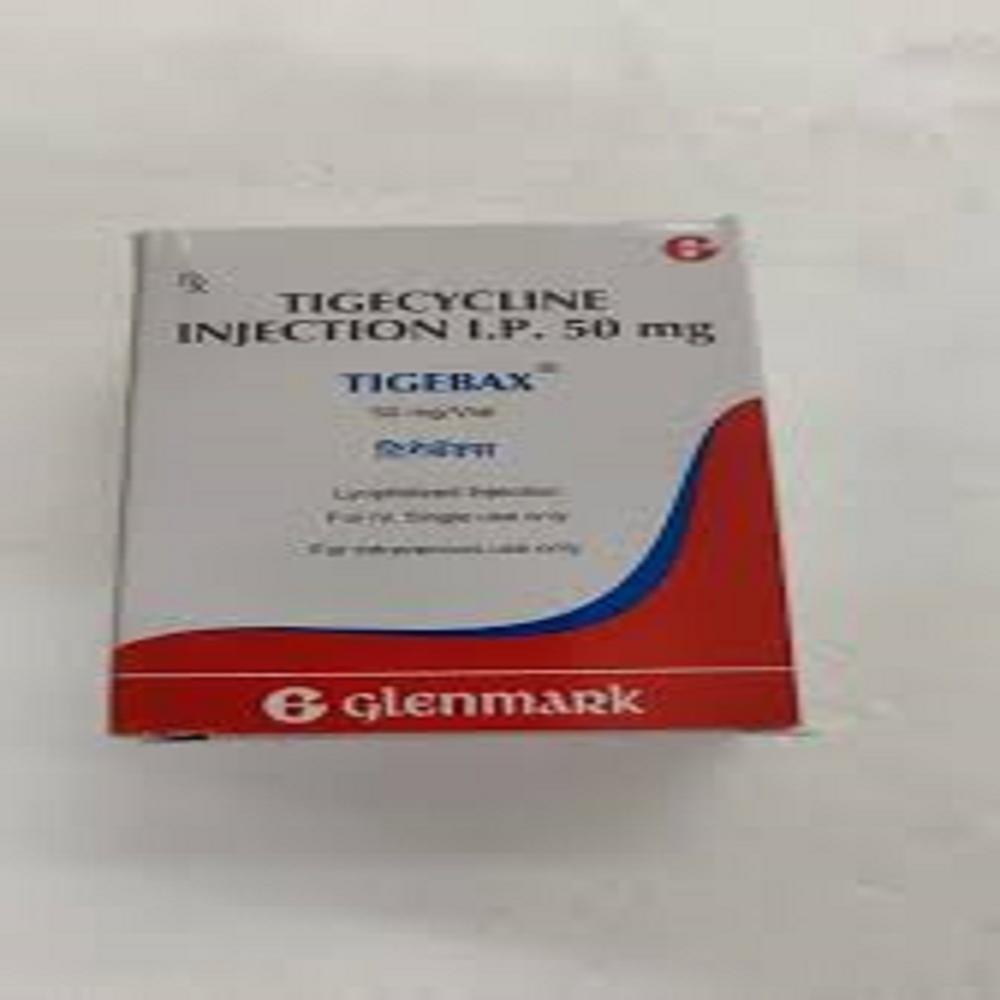
Product Description
Tigebax Injection is commonly used to treat critically ill patients admitted to the hospital. This medicine is given by drip or by direct injection into a vein by a doctor or a nurse. The dose will depend on what type of infection you have, where it is in the body, and how serious it is. You should have your injections at the same time each day to get the most benefit and you should keep on taking this medicine for as long as you are prescribed it, even if your symptoms quickly improve. If you stop taking it too early the infection may return or worsen.
Some people may develop side effects like headache, vomiting, nausea, increased liver enzymes, stomach pain, and diarrhea. These side effects are usually temporary and go away during treatment as your body adjusts to the medicine. Consult your doctor if these side effects bother you or do not go away. It may also cause dizziness, so do not drive or do anything that requires mental focus.
Before starting treatment with this medicine, you should tell your doctor if you are pregnant, breastfeeding, or suffering from any liver problems or if you are allergic to any antibiotic. While using it, you may be advised blood tests to monitor your liver function.
Broad-Spectrum Antibacterial TherapyTigebax is designed to combat complicated skin and intra-abdominal infections caused by susceptible bacteria. As a member of the tetracycline group, it offers a potent solution where other antibiotics may not suffice, providing reliable results for both adults and children over 8 years of age.
Guidelines for Safe AdministrationBefore use, Tigebax requires reconstitution with an appropriate solvent as directed by a healthcare professional. Administered via intravenous (IV) infusion, it ensures optimal bloodstream delivery. Dosage is determined by the physician and must be followed precisely for maximum therapeutic benefit.
Storage and Handling RecommendationsTo maintain Tigebax's efficacy, store the vial below 25C and protect it from light and moisture. Only reconstitute the powder immediately before administration, and utilize the solution as soon as possible. Always adhere to standard medical handling protocols.
FAQ's of Tigebax Tigecycline 50 Mg:
Q: How should Tigebax Tigecycline 50 Mg be administered?
A: Tigebax must be reconstituted with an appropriate solvent before being administered as an intravenous infusion. Only a healthcare professional should carry out this process.
Q: What infections does Tigebax treat?
A: Tigebax is recommended for the treatment of complicated skin and skin structure infections as well as complicated intra-abdominal infections in adults and children over the age of 8 years.
Q: When is Tigebax contraindicated?
A: This medication should not be used in patients with known hypersensitivity to tigecycline or any tetracycline-class antibiotics, and is not advised for children under 8 years due to risk of permanent tooth discoloration.
Q: What are the possible side effects of using Tigebax?
A: Potential side effects include nausea, vomiting, diarrhea, and possible elevated liver enzymes. It is essential to report any adverse reactions to your healthcare provider promptly.
Q: Where should Tigebax be stored before use?
A: Tigebax vials should be stored below 25C and protected from both light and moisture. Do not use the contents beyond the shelf life stated on the packaging.
Q: What is the process for preparing Tigebax for injection?
A: A healthcare professional will reconstitute the lyophilized powder with a suitable solvent immediately before administration, ensuring the solution is prepared according to the product guidelines.
Q: What are the main benefits of using Tigebax?
A: Tigebax provides a valuable treatment option for complicated and resistant bacterial infections, offering broad-spectrum coverage and efficacy where other antibiotics may not be suitable.