Product Description
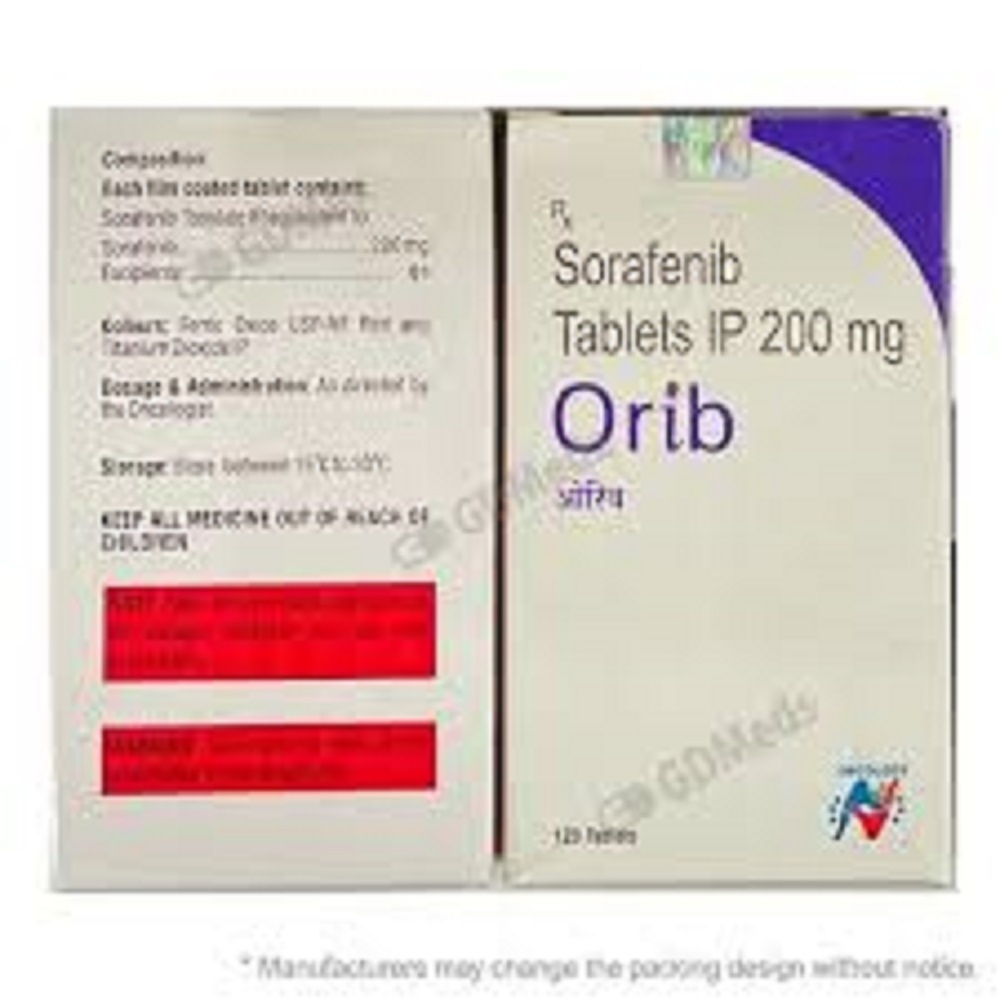
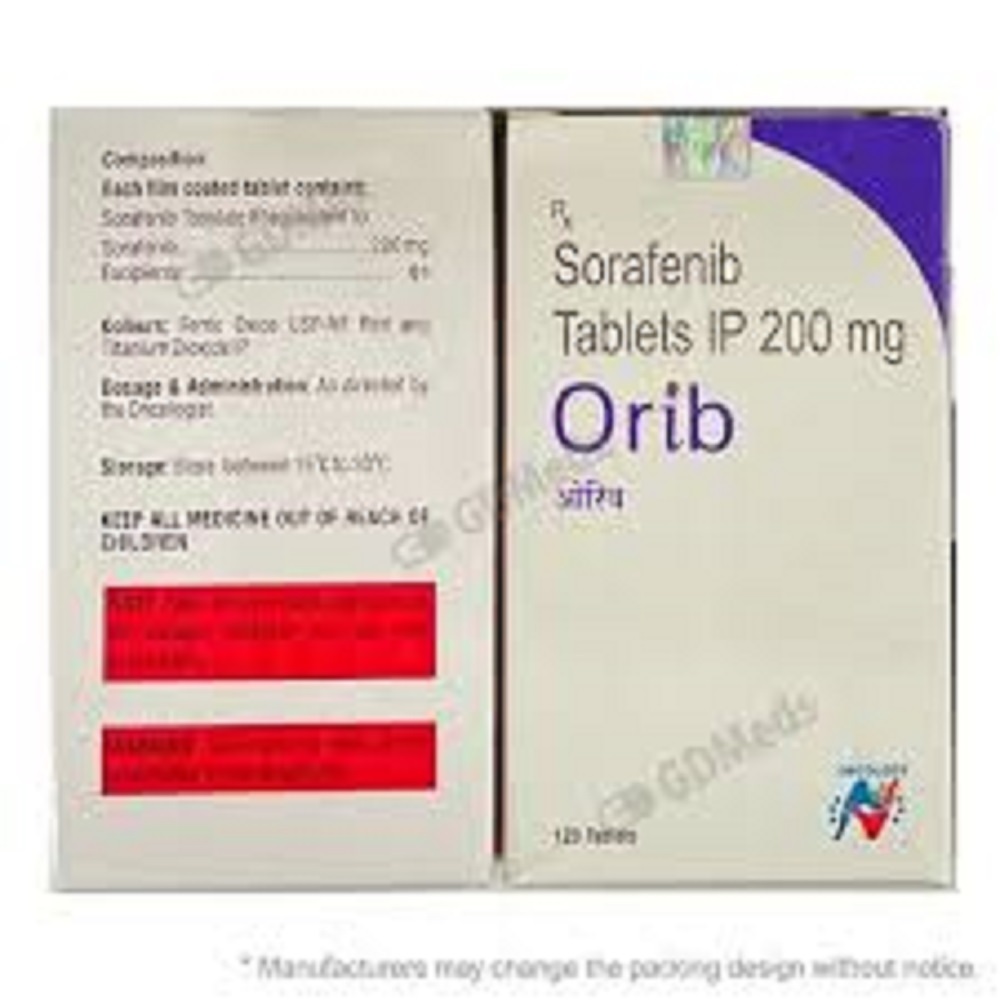
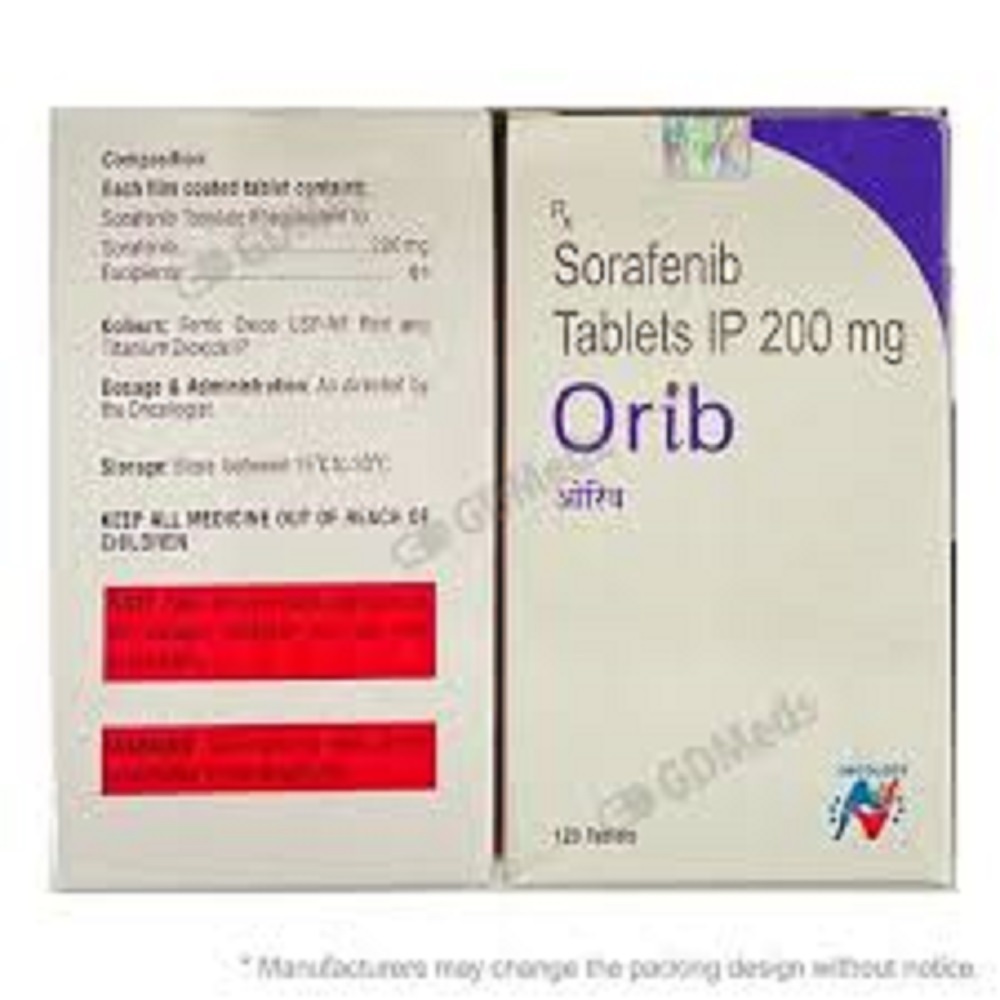
ORib 200mg Tablet should be taken on an empty stomach, but try to have it at the same time every day to get the most benefits. Your doctor will decide what dose is necessary and how often you need to take it. This will depend on what you are being treated for and may change from time to time. You should take it exactly as your doctor has advised. Taking it in the wrong way or taking too much can cause very serious side effects. It may take several weeks or months for you to see or feel the benefits but do not stop taking it unless your doctor tells you to.
Fatigue, nausea, loss of appetite, hair loss and diarrhea are some common side effects of this medicine. It might cause high blood pressure, so the doctor may ask you for a regular check-up of blood pressure. You must inform your doctor if you notice severe skin reaction such as skin rash, or any pain, swelling, and redness of your hands and feet.
Before taking it, tell your doctor if you have heart disease, liver, or kidney problems or high blood pressure. Many other medicines can affect, or be affected by, this medicine so let your healthcare team know all medications you are using. This medicine is not recommended during pregnancy or while breastfeeding. The use of effective contraception by both males and females during treatment is important to avoid pregnancy.
Potent Solution for Bacterial InfectionsOrib 200 Mg Tablets are specifically designed to combat a range of bacterial infections, including those affecting the respiratory tract, urinary tract, skin, and soft tissues. Leveraging the antibacterial properties of Ofloxacin, Orib 200 offers reliable treatment when prescribed by a healthcare professional. Its broad-spectrum activity ensures efficacy against many common pathogens, making it a trusted choice for adult patients in need of an effective allopathic intervention.
Administration and Dosage GuidelinesOrib 200 Mg Tablets should be taken orally, with or without food, as directed by your physician. The dosage is tailored to the specific type of infection and the patient's medical profile. To maximize effectiveness and reduce the risk of resistance, it is important to follow the full course as prescribed, even if symptoms improve before completion.
FAQ's of Orib 200 Mg Tablets:
Q: How should Orib 200 Mg Tablets be taken for best results?
A: Orib 200 Mg Tablets should be taken orally, exactly as prescribed by your physician. They may be taken with or without food, but consistency in timing helps to maintain effective drug levels. Always complete the full course of treatment, even if you start feeling better before the course ends.
Q: What types of infections does Orib 200 treat?
A: Orib 200 Mg Tablets are recommended for treating bacterial infections, including those of the respiratory tract, urinary tract, skin, and soft tissue. It is not effective against viral infections such as the common cold or flu.
Q: When should Orib 200 not be used?
A: Orib 200 should not be used without a prescription or in cases of known allergy to Ofloxacin or related antibiotics. It is strictly intended for adult patients and should not be given to children or for viral infections.
Q: Where should Orib 200 Mg Tablets be stored?
A: Store Orib 200 Mg Tablets in a cool, dry place below 25C, away from moisture and direct sunlight. Ensure they are kept out of reach of children and pets.
Q: What side effects can occur with Orib 200?
A: Some patients may experience nausea, headache, or dizziness while taking Orib 200 Mg Tablets. If you experience persistent side effects or allergic reactions, consult your doctor immediately.
Q: How does Ofloxacin work in Orib 200 Mg Tablets?
A: Ofloxacin, the active ingredient in Orib 200, disrupts bacterial DNA replication, leading to the elimination of bacteria responsible for various infections. This mechanism helps in resolving the infection efficiently when taken as prescribed.
Q: What are the benefits of using a WHO GMP Certified medicine like Orib 200?
A: A WHO GMP Certification ensures that Orib 200 Mg Tablets are manufactured according to rigorous international quality standards, providing assurance of safety, efficacy, and quality for patients and healthcare providers.