Product Description
Product introduction
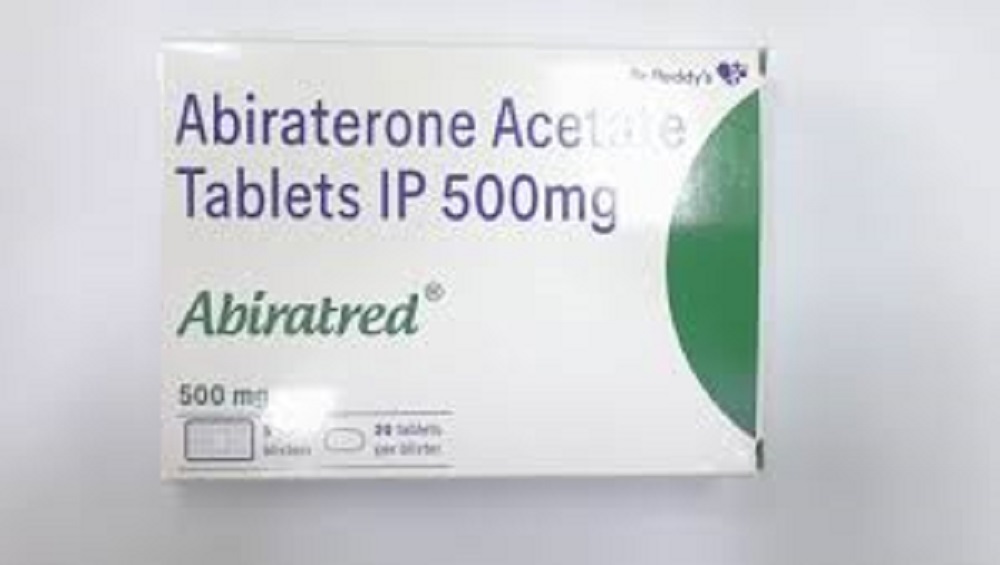
Abiratred 500mg Tablet is used in the treatment of cancer of the prostate gland. It may also be used to treat other conditions, as determined by the doctor. It is sometimes used with certain other medicines as part of combination chemotherapy.
Abiratred 500mg Tablet should be taken on an empty stomach, either one hour before or at least two hours after a meal. Taking it with food may increase the blood levels of Abiratred 500mg Tablet, which may cause side effects. Your doctor will decide what dose is necessary and how often you need to take it. This will depend on what you are being treated for and may change from time to time. You should take it exactly as your doctor has advised. Taking it in the wrong way or taking too much can cause very serious side effects. It may take several weeks or months for you to see or feel the benefits, but do not stop taking it unless your doctor tells you to.
The most common side effects of Abiratred 500mg Tablet include vomiting, decreased potassium level in blood, edema (swelling), decreased white blood cell count, and fatigue. If these bother you or appear serious, let your doctor know. There may be ways of reducing or preventing them. Other than this, the yellowing of the skin, loss of appetite, shortness of breath, dark urine, and nausea can happen, which indicate some liver problems. Your doctor might check you for liver function, blood pressure, and the level of potassium in your blood.
Precise Cancer TreatmentAbiratred 500 mg Tablets target metastatic castration-resistant prostate cancer by inhibiting androgen production, a key mechanism in disease progression. This treatment option offers better disease management for male adult patients, providing new hope and efficacy in challenging cases with established safety and efficacy profiles.
Patient-Centric UsageMeant exclusively for adult men, the administration of Abiratred should follow physician recommendations precisely. Tablets are taken orally, on an empty stomach-at least one hour before or two hours after food-for optimal absorption. Reliable results depend on strict adherence to prescribed dosing and proper storage of the product.
FAQ's of Abiratred 500 Mg Tablets:
Q: How should Abiratred 500 mg Tablets be taken for best results?
A: Take Abiratred orally on an empty stomach-at least one hour before meals or two hours after eating. Always follow the dosage instructions provided by your physician for your individual treatment plan.
Q: What is Abiratred 500 mg used for, and who can use it?
A: Abiratred 500 mg is indicated for the treatment of metastatic castration-resistant prostate cancer in adult men. It must not be used by women, children, or anyone without a valid prescription.
Q: When is it necessary to avoid taking Abiratred 500 mg Tablets?
A: Do not use Abiratred if you are pregnant, have a history of hypersensitivity to abiraterone, or if your physician advises against its use due to other contraindications. Always consult your doctor before starting treatment.
Q: Where should I store Abiratred 500 mg Tablets for maximum efficacy?
A: Store the tablets below 30C in a dry place, protected from direct light. Keep the medication in its original packaging until use to maintain stability and potency.
Q: What is the process for obtaining Abiratred 500 mg?
A: Abiratred 500 mg Tablets are available by prescription only. Consult a healthcare provider who will assess your condition and prescribe the medication if suitable. The product is distributed and marketed by BDR Lifesciences Pvt. Ltd. in India.
Q: What side effects might occur while using Abiratred 500 mg Tablets?
A: Possible side effects include hypertension, hypokalemia, swelling (edema), and changes in liver function. Report any unusual symptoms to your physician promptly to manage side effects effectively.
Q: What are the benefits of Abiratred 500 mg for prostate cancer patients?
A: The main benefit of Abiratred 500 mg is its ability to inhibit androgen biosynthesis, reducing tumor growth and progression in metastatic castration-resistant prostate cancer, thereby improving disease control and patient outcomes when administered properly.