Product Description
Product introduction
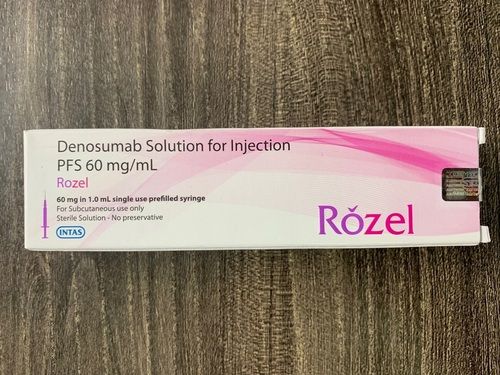
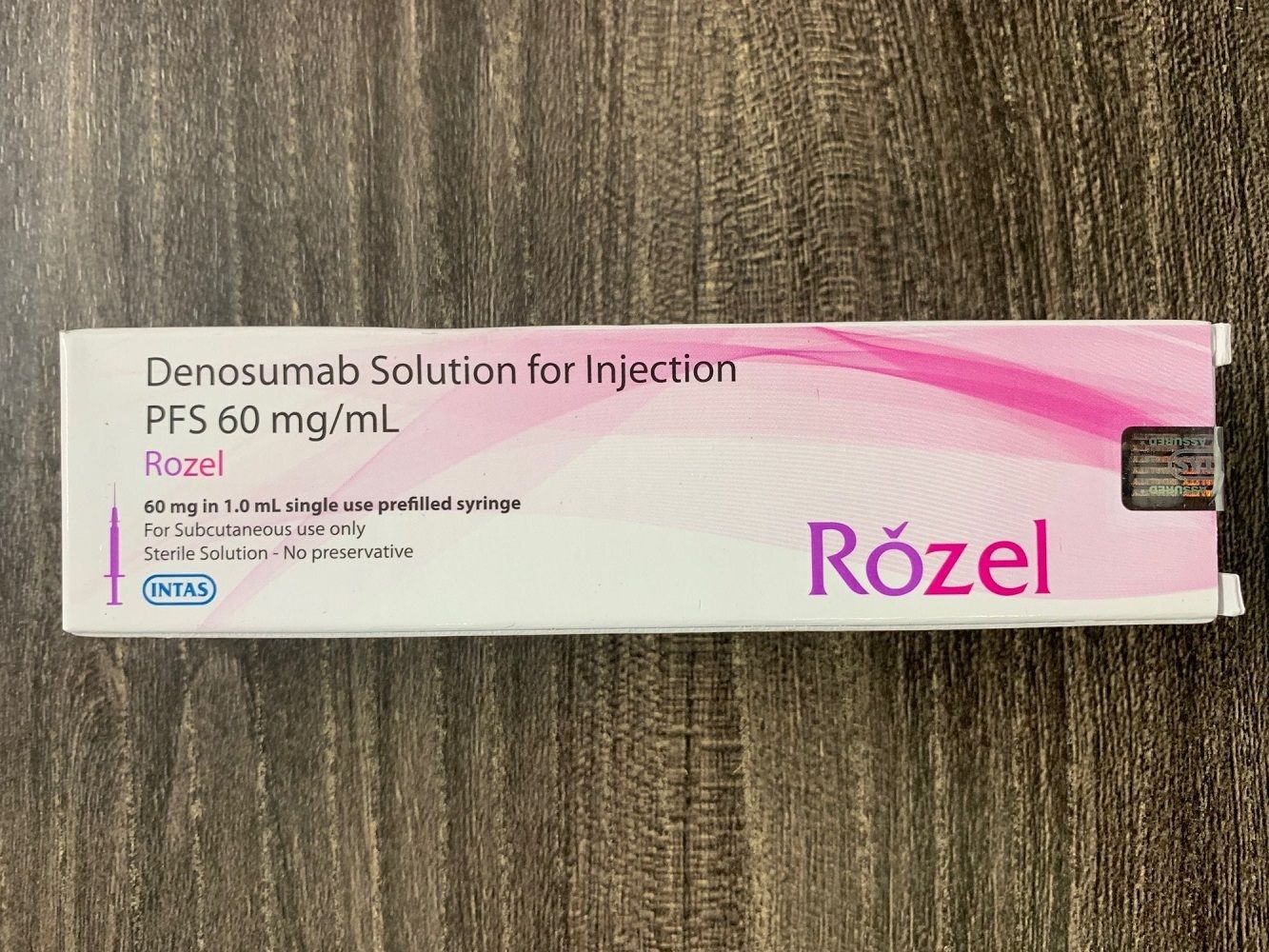
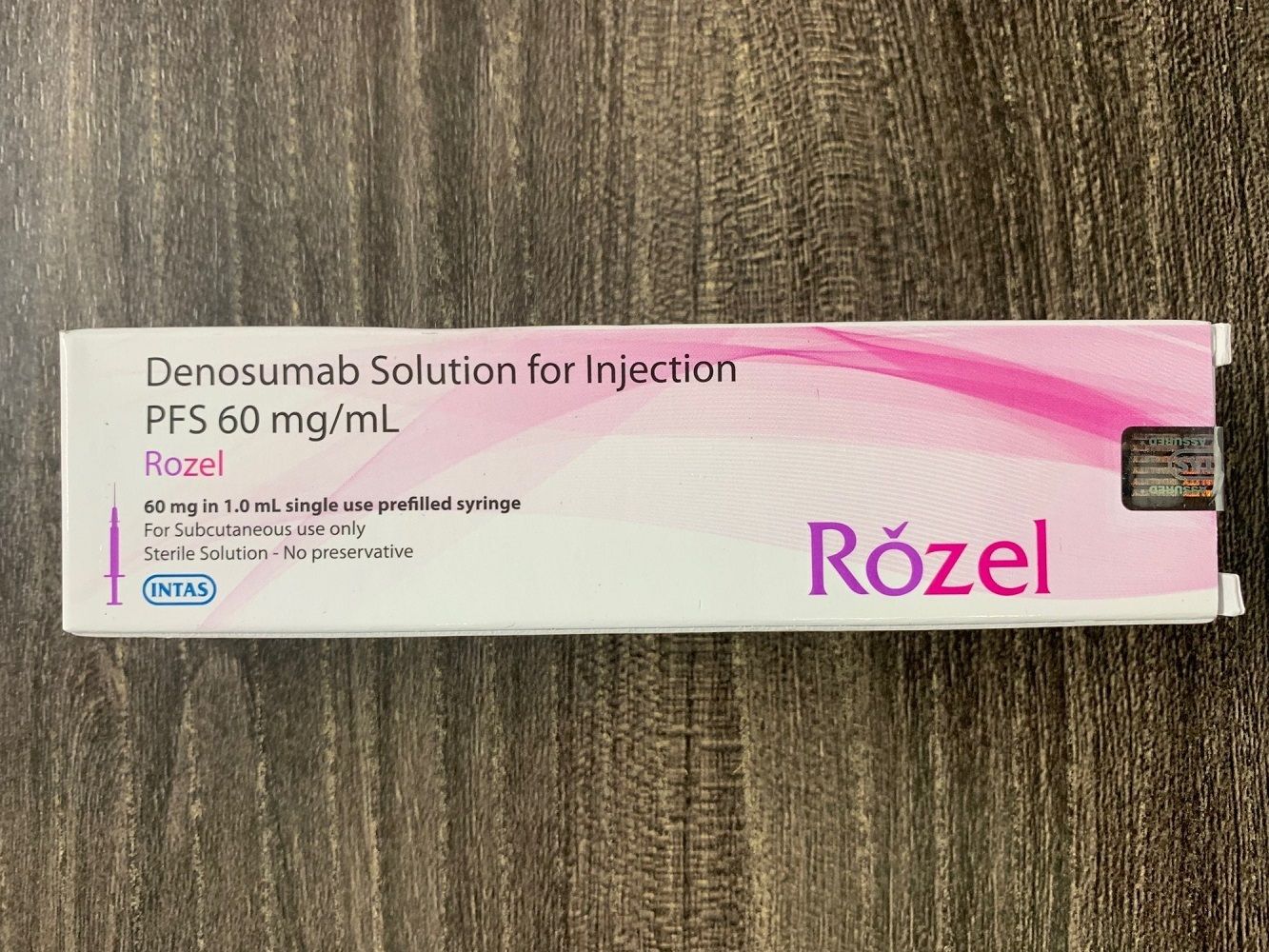
Rozel Injection is a medicine used in the treatment of osteoporosis in postmenopausal women and in men at increased risk of fractures. It makes the bones strong and reduce the risk of fractures.
Rozel Injection is given by a healthcare professional and should not be self-administered. You should use it regularly and at the same time each day to get maximum benefit from it. Continue using it as recommended by your doctor and complete the dose even if you feel better. To make it more effective, take adequate amount of calcium and vitamin D supplements while on treatment with this medicine.
Some common side effects of this medicine include headache, pain in extremity, musculoskeletal pain, nerve pain, constipation, and rash. Talk to your doctor if any of these side effects does not go away with time or get worse. Your doctor may help with ways to reduce or prevent these symptoms.
To make sure the medicine is safe for you, before taking it, let your doctor know of all the other medicines you are taking. It is important for pregnant and breastfeeding mothers to ask the advice of their doctors before using this medicine.
Uses of Rozel Injection
Benefits of Rozel Injection
In Osteoporosis
Osteoporosis is a common condition that weakens bones, making them fragile and more likely to break. It often occurs in women after menopause. This condition can be treated with bone-strengthening medicines. Rozel Injection slows down the rate at which bone is broken down in your body. This maintains bone density and reduces your risk of breaking a bone. The injection is given by a doctor or nurse and should not be self-administered.
You can help improve the strength of your bones by doing regular exercise (especially weight-bearing exercise), eating healthy foods containing calcium and Vitamin D and reducing your consumption of alcohol and tobacco. Supplements of calcium and Vitamin D3 are also effective.
Side effects of Rozel Injection
Most side effects do not require any medical attention and disappear as your body adjusts to the medicine. Consult your doctor if they persist or if youre worried about them
Common side effects of Rozel
- Musculoskeletal (bone, muscle or joint) pain
- Pain in extremities
- Nerve pain
- Constipation
- Rash
- Headache
How to use Rozel Injection
Your doctor or nurse will give you this medicine. Kindly do not self administer.
How Rozel Injection works
Rozel Injection is a monoclonal antibody. It binds to a protein that causes bone loss, thereby strengthening the bone and minimizing the risk of fractures.
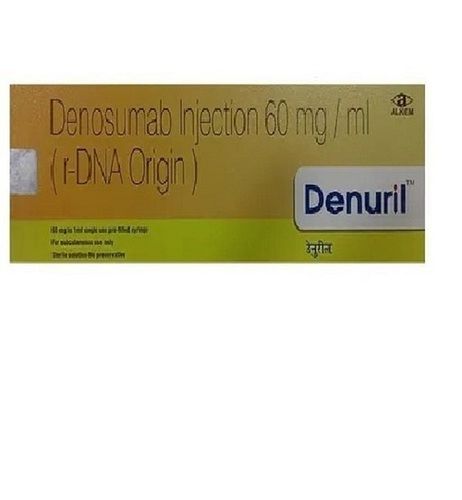
What is Denosumab Injection Used For?Denosumab Injection is primarily indicated for the prevention of skeletal-related events in patients with bone metastases from solid tumors and the treatment of osteoporosis in postmenopausal women as well as men at elevated risk of fractures. It is also prescribed for managing bone loss associated with certain cancers, helping to strengthen bones and reduce the likelihood of fractures.
How is Denosumab Injection Administered?This injection is to be given subcutaneously, typically in the upper arm, thigh, or abdomen, by a trained healthcare professional. Do not attempt self-administration. The recommended frequency is once every six months, but specific dosing should always follow your doctor's instructions based on your diagnosis and response to therapy.
Storage and Shelf Life GuidanceDenosumab Injection should be stored in a refrigerator at 2C to 8C. It must not be frozen. Always check the packaging for the specific shelf life, generally between 24 and 36 months. Keep the pre-filled syringe or vial in its original packaging to protect from light, and do not use if the solution appears cloudy or has particles.
FAQ's of Denosumab Injection:
Q: How often should Denosumab Injection be administered?
A: Denosumab Injection is usually administered by a healthcare provider every six months, or as directed by your physician. Adhering to the prescribed schedule is important for optimal results.
Q: What benefits does Denosumab Injection offer?
A: Denosumab helps reduce bone loss, lowers the risk of fractures in osteoporosis, and prevents skeletal complications in patients with bone metastases from certain cancers. Its targeted action helps maintain bone density and overall bone health.
Q: Who should not receive Denosumab Injection?
A: This injection should not be given to individuals with hypocalcemia or those with known hypersensitivity to denosumab or any ingredient in the formulation. Always inform your healthcare provider about any allergies or existing conditions before starting therapy.
Q: Can I administer Denosumab Injection at home?
A: No, Denosumab Injection must only be given by a trained medical professional in a clinical setting. Self-administration is not recommended due to the need for proper technique and monitoring for side effects.
Q: Are there specific storage requirements for Denosumab Injection?
A: Yes, the vial or pre-filled syringe should be kept in a refrigerator (2C-8C) and never frozen. Ensure it remains in its original packaging until use, and check for any changes in color or clarity before administration.
Q: What common side effects should I watch out for after receiving Denosumab Injection?
A: Common side effects include back pain, muscle and joint pain, increased cholesterol levels, urinary bladder infections, and low blood calcium (hypocalcemia). Report any unusual or severe symptoms to your healthcare provider immediately.