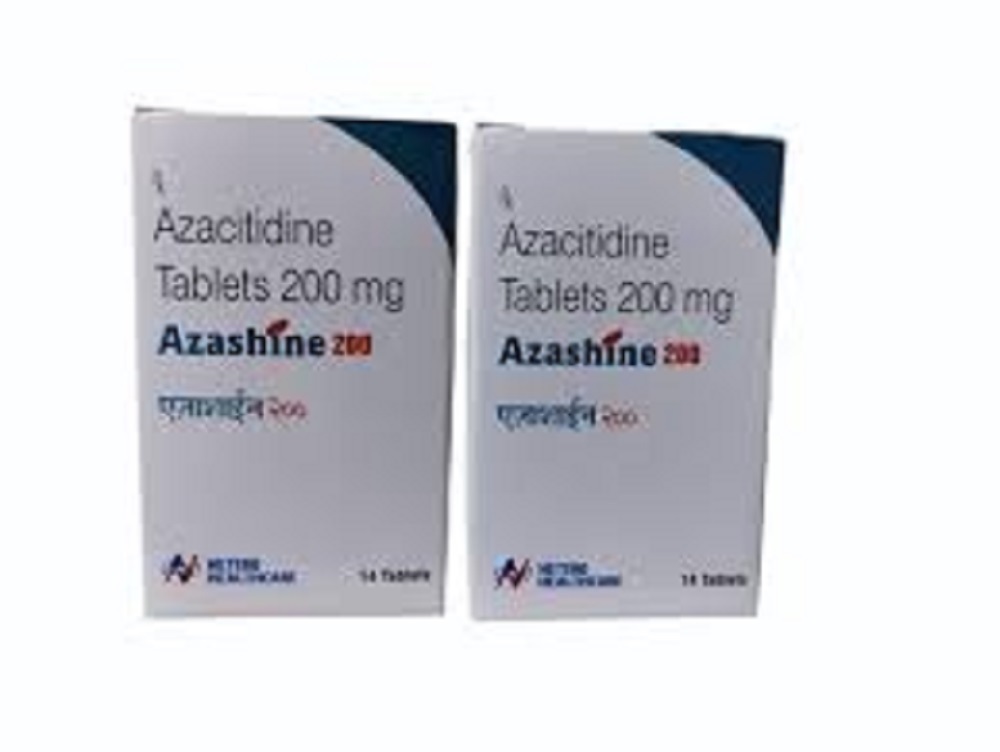
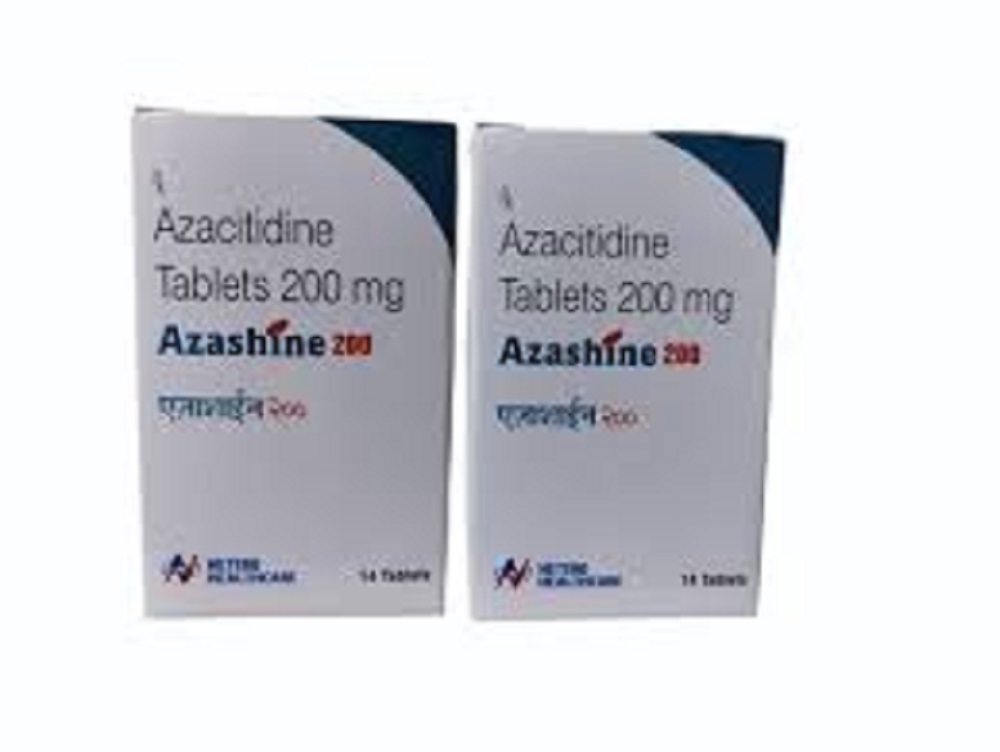
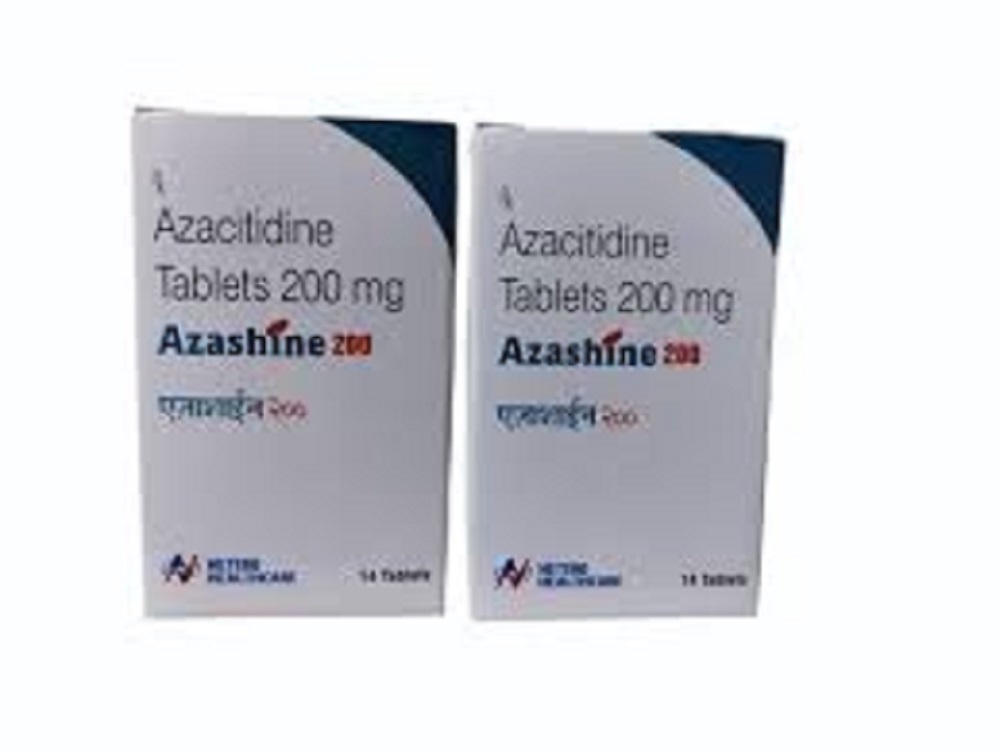
Product Description
AZAshine 200mg Tablet can be taken with or without food, but better to have it same time every day. Your doctor will decide what dose is necessary and how often you need to take it. This will depend on what you are being treated for and may change from time to time. You should take it exactly as your doctor has advised. Taking it in the wrong way or taking too much can cause very serious side effects. It may take several weeks or months for you to see or feel the benefits but do not stop taking it unless your doctor tells you to.
The most common side effects of this medicine include vomiting, weakness, nausea, and fever. If these bother you or appear serious, let your doctor know. There may be ways of reducing or preventing them. You must inform your doctor before taking any vaccination while on treatment with this medicine. Regular blood tests are required to check your blood cells along with the heart, liver, and kidney.
Before taking it, tell your doctor if you have liver, or kidney problems or are taking any medicines to treat infections. Many other medicines can affect, or be affected by, this medicine so let your doctor know all medications you are using. This medicine is not recommended during pregnancy or while breastfeeding.
Effective Immunosuppressive TherapyAzashine 200 mg Tablets are widely prescribed for patients requiring immunosuppressive treatment, notably for organ transplant recipients and individuals with autoimmune conditions. By suppressing abnormal immune responses, Azashine helps prevent the body's rejection of transplanted organs and manages flare-ups in autoimmune diseases. Regular use, as directed by physicians, ensures optimal therapeutic benefits while maintaining patient safety.
Safe Administration and MonitoringAdministration of Azashine 200 mg Tablets requires close medical supervision. Doctors typically recommend routine monitoring of blood counts and liver function to promptly detect any adverse effects. Correct dosage, tailored to individual needs, supports effectiveness and minimizes risk. It's essential to follow all medical guidelines and report any unusual symptoms to your healthcare provider during the course of therapy.
FAQ's of Azashine 200 Mg Tablets:
Q: How should Azashine 200 mg Tablets be taken for best results?
A: Take Azashine 200 mg Tablets orally after meals, exactly as prescribed by your physician. Maintain a consistent routine, and avoid altering the dose unless advised by your healthcare provider.
Q: What are the main benefits of using Azashine 200 mg Tablets?
A: Azashine helps in preventing organ transplant rejection and effectively manages autoimmune diseases such as rheumatoid arthritis by suppressing the immune system's abnormal response.
Q: When should blood count and liver function be monitored during therapy?
A: Blood counts and liver function should be checked regularly throughout the course of Azashine therapy. Your doctor will establish a suitable monitoring schedule based on your health status.
Q: Where should I store Azashine 200 mg Tablets for optimal safety?
A: Store the tablets in a cool, dry place below 25C, and keep them away from direct sunlight and moisture to preserve their effectiveness.
Q: What process is recommended if a dose is missed?
A: If you miss a dose, take it as soon as you remember. If it's nearly time for your next dose, skip the missed dose and continue as normal. Do not double up the doses.
Q: Who should avoid using Azashine 200 mg Tablets?
A: Azashine is intended for adults and should be avoided by individuals with known hypersensitivity to Azathioprine or those with severe liver impairment, unless specifically approved by a healthcare professional.
Q: What precautions should be taken during Azashine therapy?
A: During treatment, follow your doctor's instructions closely, monitor for any unusual symptoms, and attend all scheduled lab tests to ensure therapy remains safe and effective.