Product Description
Vorizol Injection is administered under the supervision of a doctor or a nurse. Do not self-administered the injection. To get the most benefit, get the injection at evenly spaced times and continue taking it until your prescription is finished, even if your symptoms disappear after a few days. If you stop treatment too early, the infection may return and if you miss doses you can increase your risk of infections that are resistant to further treatment.
The most common side effects of this medicine include rash, vomiting, nausea, headache, and anemia. These are not usually serious, but you should call your doctor if you think you might have a severe allergic reaction. Signs of this include rash, swelling of the lips, throat, or face, swallowing or breathing problems, feeling dizzy or faint, and nausea. Get emergency help if this happens.
Do not take it if you are pregnant or could become pregnant unless your doctor has told you to. Talk to your doctor before taking it if you have ever had heart failure, kidney problems, or liver problems such as yellow skin (jaundice). This medicine may not be suitable for you. If your course of treatment is for more than a month, your doctor may want to check your liver by testing your blood. The medicine may make you dizzy or have blurred vision so do not drive or operate machines until it is safe.
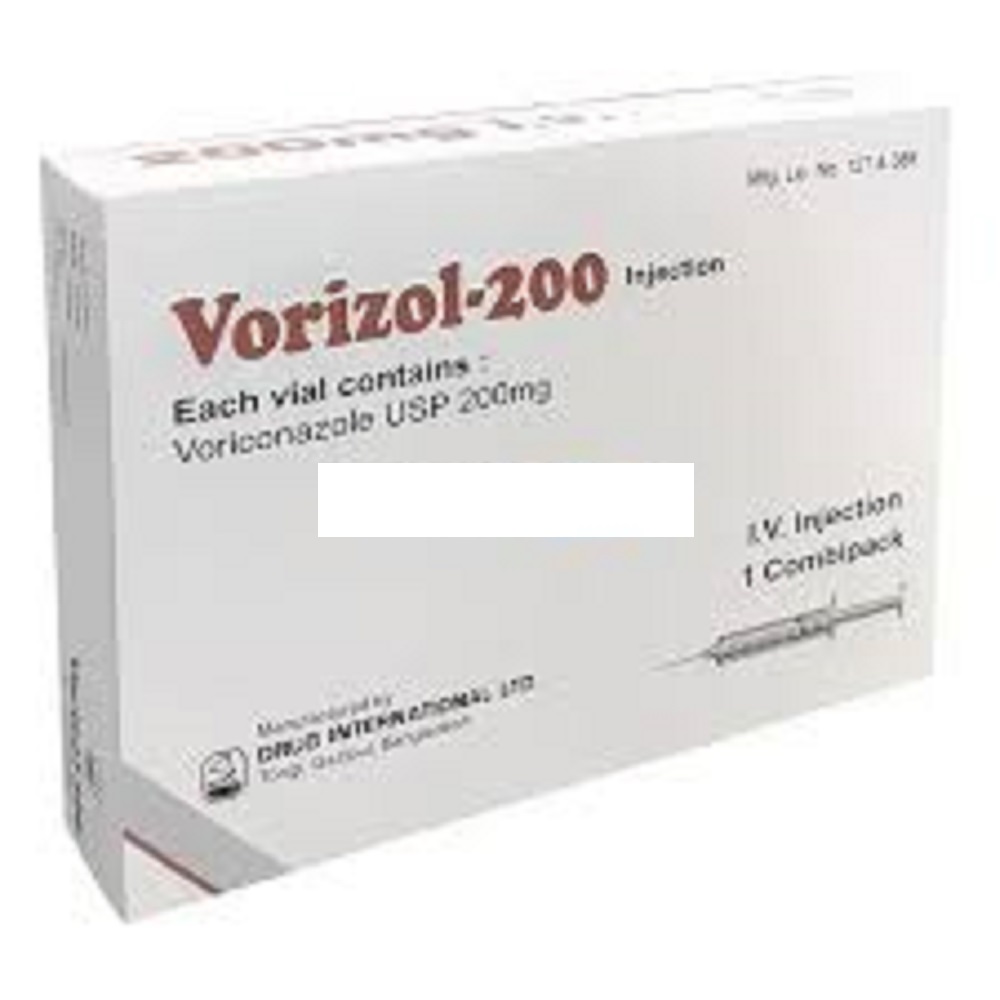
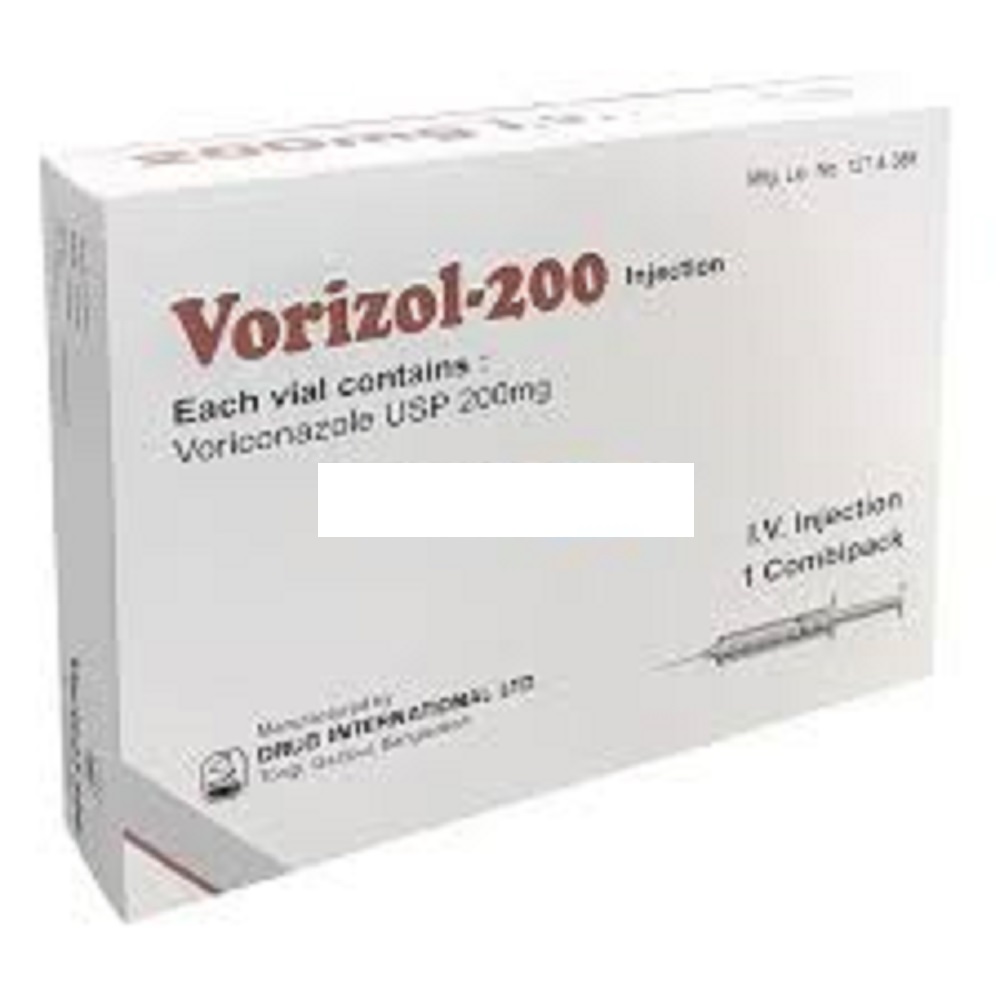
Effective Antifungal SolutionVorizol 200 Mg Injection targets severe fungal infections in immunocompromised patients or those unresponsive to other treatments. Given intravenously, it delivers rapid therapeutic action, helping to control invasive aspergillosis, candidemia, and related conditions. Its proven efficacy makes it a critical drug in hospital settings and for severe infections.
Simple Preparation and AdministrationThe lyophilized powder form ensures stability and ease of storage. Reconstitution is straightforward-just follow the label instructions using sterile water for injection. Administer the solution intravenously over 1-2 hours, as directed by the physician, to ensure correct dosing and minimize potential side effects.
Safety and MonitoringWhile Vorizol is suitable for adults and children, caution is needed in patients with liver or kidney impairment. Healthcare providers should monitor for possible adverse reactions such as visual disturbances, liver enzyme increases, or skin rashes. All usage must be based on medical advice to maximize benefits and minimize risks.
FAQ's of Vorizol 200 Mg Injection:
Q: How is Vorizol 200 Mg Injection administered?
A: Vorizol 200 Mg Injection is administered intravenously after reconstitution with sterile water for injection, as detailed on the product label. It should be given slowly over 1-2 hours by qualified healthcare professionals.
Q: What conditions does Vorizol 200 Mg Injection treat?
A: This injection is used to treat serious fungal infections, including invasive aspergillosis and candidemia. It is particularly recommended for patients who have not responded to other antifungal medications.
Q: When should Vorizol 200 Mg Injection be used?
A: Vorizol is generally prescribed when a patient has a confirmed or suspected serious fungal infection requiring urgent antifungal therapy. It is used as directed by a physician based on the severity and type of infection.
Q: Where should this injection be prepared and administered?
A: The injection should be prepared and administered in a clinical or hospital setting by trained healthcare personnel to ensure proper handling and dosing.
Q: What is the process of reconstituting Vorizol 200 Mg Injection?
A: To reconstitute, add sterile water for injection to the vial according to the label instructions. Swirl gently to dissolve the powder completely, creating a clear solution ready for intravenous infusion.
Q: What are the potential benefits of using Vorizol 200 Mg Injection?
A: The primary benefit is the effective management of life-threatening fungal infections, often in patients with compromised immune systems or when first-line treatments have failed.
Q: Are there any important precautions or side effects to be aware of?
A: Caution should be exercised in patients with liver or kidney impairment. Common side effects include visual disturbances, elevated liver enzymes, and skin rash. Monitoring by healthcare professionals is essential during treatment.