Product Description
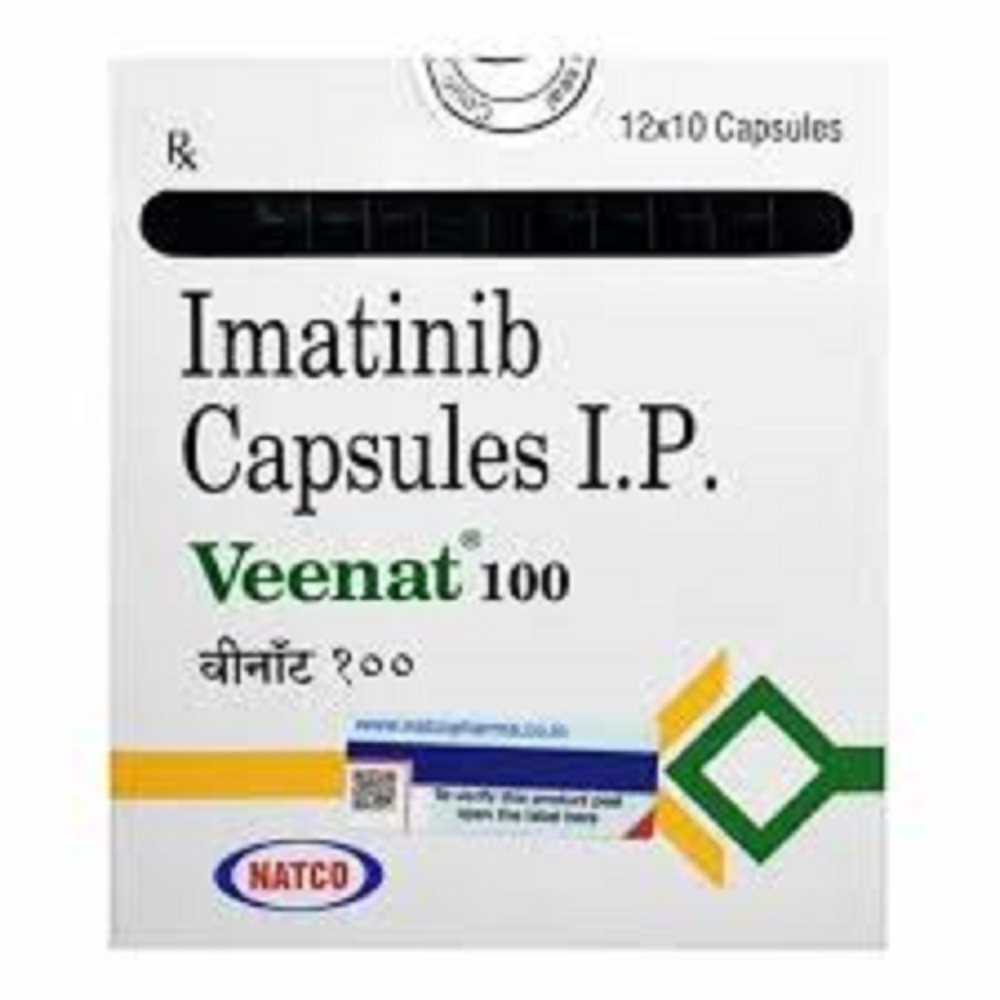
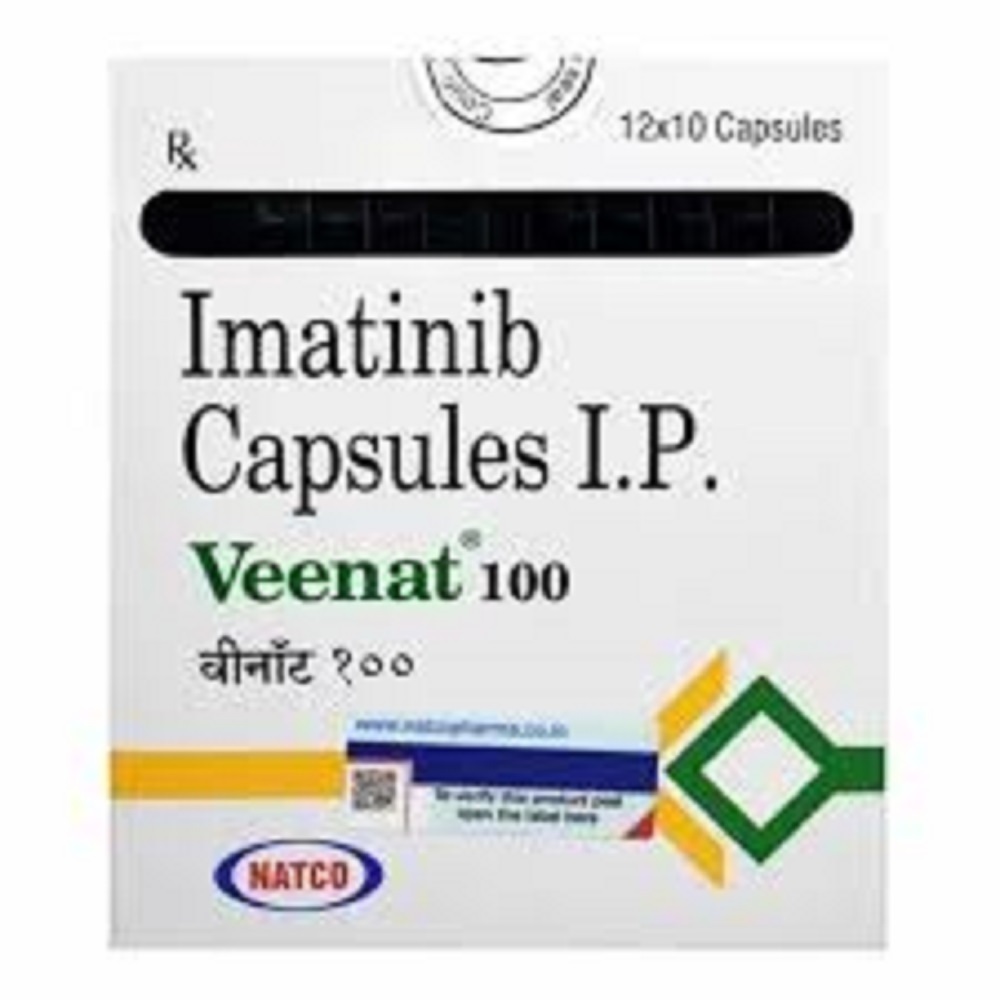
Veenat 100 Capsule is also used for treatment of a skin tumor called dermatofibrosarcoma protuberans and a type of bone marrow condition called aggressive systemic mastocytosis. The medicine should be taken with food. Take it at the same time each day to get the most benefit. Continue taking it as long as your doctor advises for it. The duration of treatment varies according to your need and response to treatment. Taking it in the wrong way or taking too much can cause very serious side effects. It may take several weeks or months for you to see or feel the benefits but do not stop taking it unless your doctor tells you to.
The most common side effects of this medicine include edema, nausea, vomiting, muscle cramps, musculoskeletal pain, diarrhea, rash, fatigue, and abdominal pain. Let your doctor know if you experience unexpected rapid weight gain. Your doctor may advise for regular monitoring of blood cells and liver function while you are taking this medicine. Do not drive or do anything requiring mental focus if you experience dizziness and blurry vision.
Many other medicines can affect, or be affected by, this medicine so let your healthcare team know all medications you are using. This medicine is not recommended during pregnancy or while breastfeeding. The use of effective contraception by both males and females during treatment is important to avoid pregnancy.
Effective Treatment for Multiple CancersVeenat Imatinib 100 mg is indicated for the management of Chronic Myeloid Leukemia (CML), Acute Lymphoblastic Leukemia (ALL), and Gastrointestinal Stromal Tumors (GIST). As a tyrosine kinase inhibitor, it targets cancer cell proliferation, helping to control disease progression and improve patient outcomes under specialist guidance.
Safe Usage and AdministrationThis medication must be taken orally as prescribed by your oncologist. Never self-medicate or adjust your dose. Carefully follow professional advice regarding timing and duration to maximize benefits and minimize risks. Patients should avoid use during pregnancy and lactation unless essential, and inform their doctor of any allergies.
Proper Storage for Maximum EfficacyTo preserve Veenat's potency and safety, store the tablets below 30C and keep them away from moisture and direct light. Ensure the packaging remains intact until use, and keep out of reach of children. Only use within the 24-month shelf life from the date of manufacture for optimal results.
FAQ's of Veenat Imatinib 100 Mg 10C:
Q: How should Veenat Imatinib 100 mg be taken?
A: Veenat Imatinib 100 mg should be taken orally with a glass of water, following the dosage and schedule prescribed by your oncologist. Do not alter the dosage or discontinue use without medical consultation.
Q: What are the primary uses and benefits of Veenat Imatinib?
A: Veenat Imatinib is primarily prescribed to treat adults with Chronic Myeloid Leukemia (CML), Acute Lymphoblastic Leukemia (ALL), and Gastrointestinal Stromal Tumors (GIST). It works as a tyrosine kinase inhibitor, helping to slow or stop the growth of cancer cells and improve patient prognosis.
Q: When should Veenat Imatinib not be used?
A: Veenat should be avoided in individuals with hypersensitivity to Imatinib or any of its components. It is generally not recommended during pregnancy and lactation unless deemed necessary by a healthcare professional.
Q: Where is Veenat Imatinib produced and marketed?
A: Veenat Imatinib is manufactured and marketed in India by Natco Pharma Ltd. It is distributed through licensed dealers and pharmacies and is available only with a medical prescription.
Q: What side effects may occur with Veenat Imatinib?
A: Some patients may experience nausea, vomiting, muscle cramps, rash, diarrhea, or edema. If you notice any unusual or severe side effects, contact your healthcare provider promptly for guidance.
Q: What precautions should be taken while using Veenat Imatinib?
A: Always use this medication under oncologist supervision. Inform your doctor about any existing conditions or medications. Do not take if you have known allergies to Imatinib. Women who are pregnant or breastfeeding should only use it if absolutely necessary and under strict medical supervision.