Product Description
Product introduction
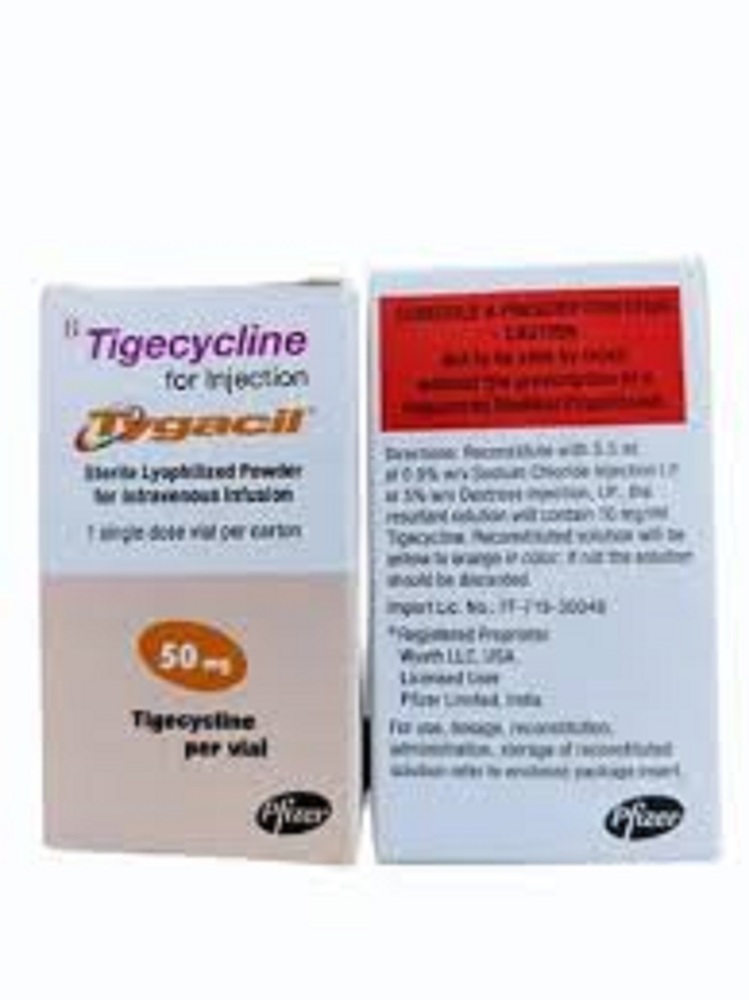
TYGACIL 50 MG INJECTION is an antibiotic that fights bacteria. It is used to treat severe infections of the body like skin, intra-abdominal infections, and community-acquired bacterial pneumonia. It works by killing the bacteria that cause these problems. But, it will not treat a viral infection.
TYGACIL 50 MG INJECTION is commonly used to treat critically ill patients admitted to the hospital. This medicine is given by drip or by direct injection into a vein by a doctor or a nurse. The dose will depend on what type of infection you have, where it is in the body, and how serious it is. You should have your injections at the same time each day to get the most benefit and you should keep on taking this medicine for as long as you are prescribed it, even if your symptoms quickly improve. If you stop taking it too early the infection may return or worsen.
Some people may develop side effects like headache, vomiting, nausea, increased liver enzymes, stomach pain, and diarrhea. These side effects are usually temporary and go away during treatment as your body adjusts to the medicine. Consult your doctor if these side effects bother you or do not go away. It may also cause dizziness, so do not drive or do anything that requires mental focus.
Before starting treatment with this medicine, you should tell your doctor if you are pregnant, breastfeeding, or suffering from any liver problems or if you are allergic to any antibiotic. While using it, you may be advised blood tests to monitor your liver function.
Powerful Solution Against Tough InfectionsTygacil 50 mg Injection offers effective management for complicated bacterial infections, including skin, intra-abdominal infections, and community-acquired pneumonia in adults. Its broad spectrum covers a wide variety of bacteria, providing a robust option when other antibiotics may not suffice. Administered intravenously, it delivers rapid and targeted action, helping patients recover from severe infections with a high degree of efficacy.
Proper Preparation and AdministrationThis injection comes as a lyophilized powder, which must be reconstituted with 5.3 ml of 0.9% sodium chloride or sterile water for injection. After dissolution, the solution appears yellow to orange and is administered intravenously, usually under hospital settings. Storing the product below 25C and protecting it from light ensures optimal potency throughout its 24-month shelf life.
FAQ's of Tygacil 50 Mg Injection:
Q: How should Tygacil 50 mg Injection be prepared before use?
A: Tygacil should be reconstituted by adding 5.3 ml of either 0.9% sodium chloride injection or sterile water for injection into the vial. The powder will dissolve into a yellow to orange solution, which must be further diluted and given intravenously by a healthcare professional.
Q: What infections is Tygacil 50 mg Injection used to treat?
A: Tygacil is mainly indicated for complicated skin and soft tissue infections, complicated intra-abdominal infections, and community-acquired pneumonia in adults, especially in cases where other antibiotics are ineffective.
Q: When should Tygacil not be used?
A: Tygacil is contraindicated in individuals who have a known hypersensitivity to tigecycline or other tetracycline antibiotics. It should be used with caution in people with hepatic impairment.
Q: Where should Tygacil Injection be stored?
A: Store Tygacil injection vials below 25C and protect them from light. Follow hospital or pharmacy storage protocols until reconstitution and administration.
Q: What are the common side effects of Tygacil Injection?
A: The most frequent side effects include nausea, vomiting, and diarrhea. If severe reactions or allergic symptoms occur, seek immediate medical attention.
Q: How is Tygacil administered and by whom?
A: Tygacil is administered as an intravenous infusion, typically in a hospital setting, by qualified healthcare professionals following the dosage instructions provided by the prescribing physician.
Q: What are the benefits of using Tygacil 50 mg Injection?
A: Tygacil provides broad-spectrum antibiotic coverage, making it effective against many resistant bacteria. It offers a valuable option for patients with complicated infections who may not respond to traditional antibiotics.