Product Description
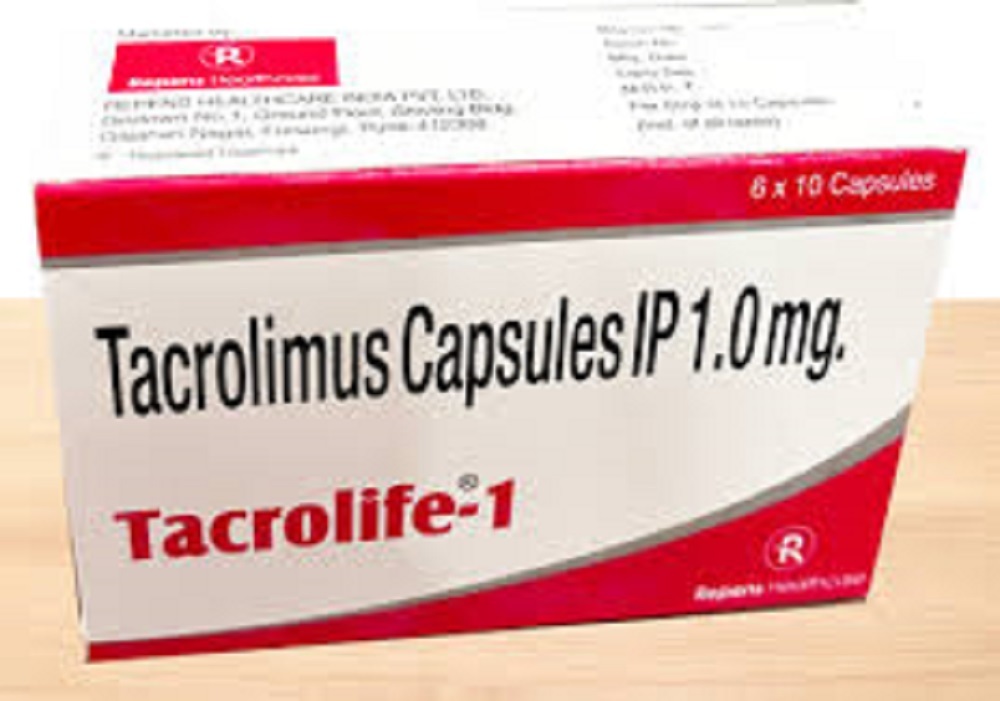
Tacrolimus is an immunosuppressant. In organ transplant patients, it works by suppressing your bodys immune response helping your body to accept the new organ as if it were your own. In allergic eye disease, it works by decreasing the production of chemicals (eg. histamine) that cause allergic eye symptoms such as inflammation (redness and swellingImmunosuppressant for Organ TransplantsTacrolife 1 Mg Capsules are formulated specifically for adults requiring immunosuppression following kidney or liver transplantation. The primary function is to reduce the body's immune response, thereby increasing the chances of organ acceptance and reducing the risk of rejection post-surgery. These capsules must be used strictly under prescription due to their potent activity.
Administration and Dosage GuidelinesOrally administered, Tacrolife capsules are to be taken as directed by a physician, ideally on an empty stomach for optimal absorption. The dosage and treatment duration depend on individual patient needs and transplant type. Skipping or altering the prescribed regimen can significantly affect transplant outcomes.
Proper Storage and Safety PrecautionsTo preserve its potency, Tacrolife 1 Mg Capsules should be stored below 25C, protected from moisture and light. It is crucial not to consume the medication if you have known hypersensitivity to macrolides, uncontrolled infections, or hepatic impairment without consulting a doctor. Always follow your healthcare provider's instructions precisely.
FAQ's of Tacrolife 1 Mg Capsules:
Q: How should Tacrolife 1 Mg Capsules be taken for best results?
A: Tacrolife 1 Mg Capsules should be taken orally, preferably on an empty stomach, or as instructed by your physician. Following the prescribed dose, at the recommended times, ensures optimal absorption and effectiveness in preventing organ rejection.
Q: What is the main benefit of using Tacrolife 1 Mg Capsules after a transplant?
A: The primary benefit is the prevention of organ rejection in adult patients who have undergone kidney or liver transplants. Tacrolimus suppresses the immune response, improving the likelihood of transplant success and the patient's long-term health.
Q: When should I avoid taking Tacrolife 1 Mg Capsules?
A: Avoid Tacrolife if you have known hypersensitivity to macrolides, uncontrolled infections, or significant hepatic impairment without explicit instruction from your doctor. It is essential to discuss your medical history with your physician prior to starting this medication.
Q: What are some common side effects I might experience while taking Tacrolife?
A: Commonly reported side effects include tremor, headache, diarrhea, hypertension, and renal dysfunction. Consult your doctor if these symptoms persist or become bothersome, as dose adjustments or supportive care might be required.
Q: Where should I store Tacrolife 1 Mg Capsules to ensure their effectiveness?
A: Store the capsules in a cool, dry place below 25C, away from moisture and light. Keeping them in their original packaging helps maintain their stability throughout the 24-month shelf life.
Q: What is the process for obtaining Tacrolife 1 Mg Capsules?
A: As a Schedule H prescription medication, Tacrolife is available only through a registered pharmacy with a valid prescription from a licensed physician. Distributors, wholesalers, and retailers across India can supply this medication as per regulatory guidelines.
Q: Can Tacrolife 1 Mg Capsules be used for children or non-transplant indications?
A: Tacrolife is recommended for adult patients for kidney and liver transplant rejection prophylaxis. Its safety and efficacy for children or non-transplant conditions have not been established and should only be considered if advised by a specialist.