Product Description
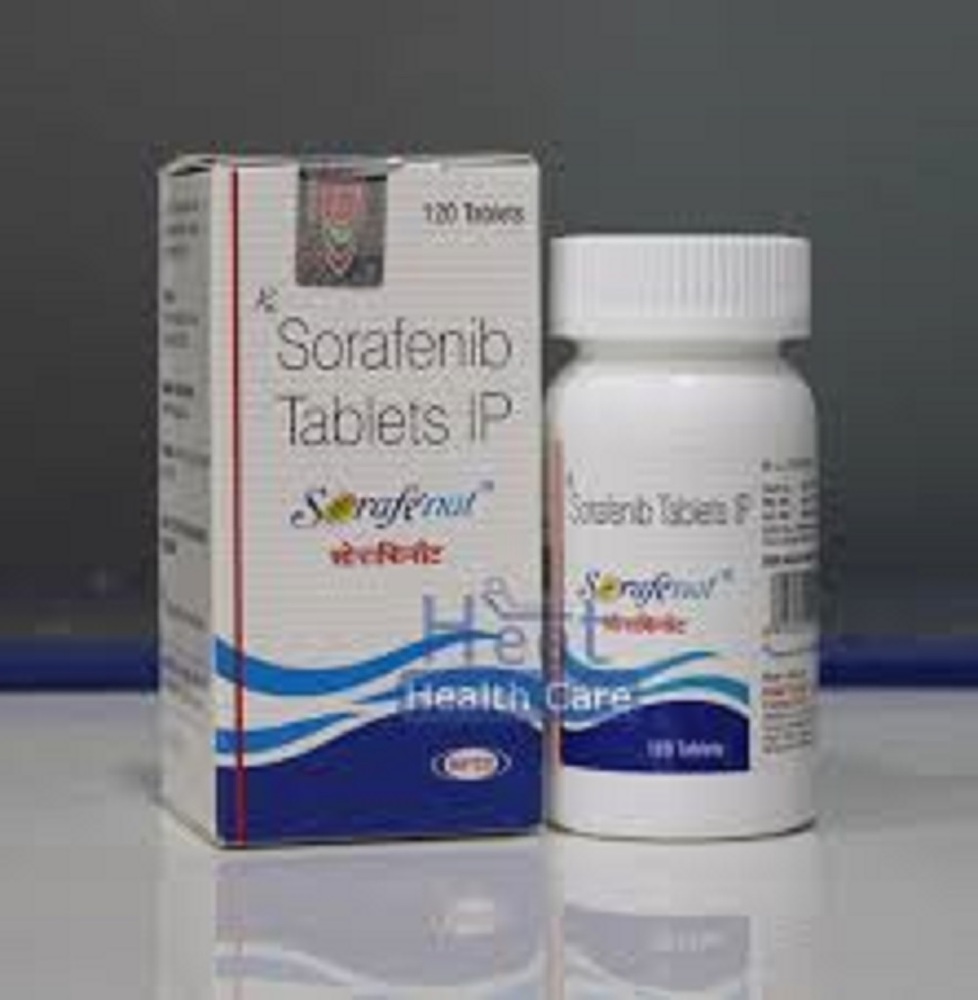
Sorafenat 200mg Tablet should be taken on an empty stomach, but try to have it at the same time every day to get the most benefits. Your doctor will decide what dose is necessary and how often you need to take it. This will depend on what you are being treated for and may change from time to time. You should take it exactly as your doctor has advised. Taking it in the wrong way or taking too much can cause very serious side effects. It may take several weeks or months for you to see or feel the benefits but do not stop taking it unless your doctor tells you to.
Fatigue, nausea, loss of appetite, hair loss and diarrhea are some common side effects of this medicine. It might cause high blood pressure, so the doctor may ask you for a regular check-up of blood pressure. You must inform your doctor if you notice severe skin reaction such as skin rash, or any pain, swelling, and redness of your hands and feet.
Before taking it, tell your doctor if you have heart disease, liver, or kidney problems or high blood pressure. Many other medicines can affect, or be affected by, this medicine so let your healthcare team know all medications you are using. This medicine is not recommended during pregnancy or while breastfeeding. The use of effective contraception by both males and females during treatment is important to avoid pregnancy.
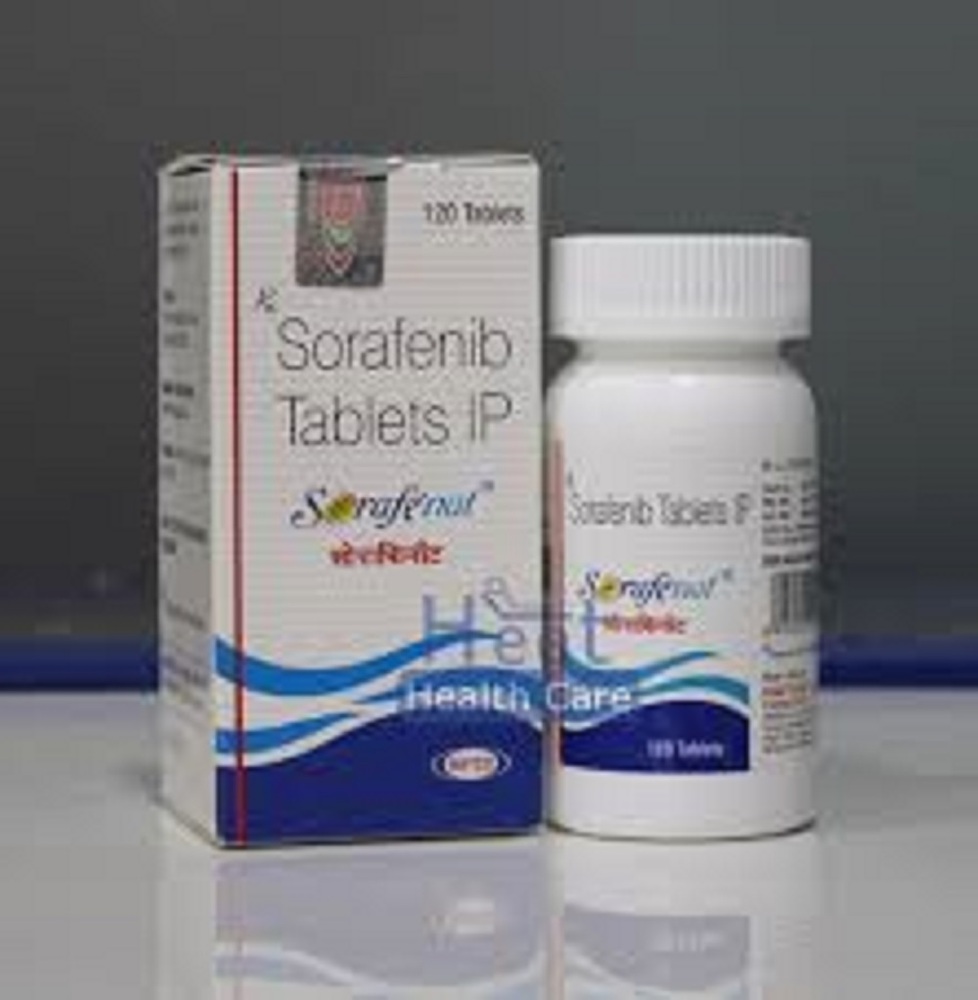
Targeted Cancer TherapySorafenat Sorafenib 200 mg Tablets are formulated principally for adults suffering from advanced forms of kidney and liver cancers. As a tyrosine kinase inhibitor, Sorafenib targets specific enzymes that promote the growth and spread of cancer cells, thus slowing disease progression and extending survival when used under medical supervision.
Proper Usage and DosageAdministration of Sorafenat should always follow your doctor's instructions closely. The tablets are intended for oral use and the precise dosage will be determined by your physician based on your clinical profile. Never modify your dose or frequency without professional guidance to ensure safety and efficacy throughout your treatment.
Handling and Storage GuidelinesMaintain the integrity of Sorafenat Sorafenib 200 mg by storing it in its original bottle, in a cool, dry place below 30C, away from direct light and moisture. This careful storage prolongs its effectiveness until its maximum shelf life of 24 months. Always keep medication out of children's reach and consult your pharmacist for proper disposal of unused tablets.
FAQ's of Sorafenat Sorafenib 200 Mg Tablets:
Q: How should Sorafenat Sorafenib 200 mg Tablets be taken?
A: Sorafenat Sorafenib Tablets must be taken orally, as prescribed by your physician. The recommended dosage depends on your medical condition and response to treatment. Always swallow the tablets whole, with water, and do not change the dosage unless instructed by your healthcare provider.
Q: What cancers are treated with Sorafenat Sorafenib 200 mg Tablets?
A: Sorafenat Sorafenib is primarily indicated for adults diagnosed with renal cell carcinoma (a type of kidney cancer) and hepatocellular carcinoma (a type of liver cancer). It is used as part of anti-cancer therapy to help manage these advanced conditions.
Q: When should I take Sorafenat Sorafenib during my treatment plan?
A: You should take Sorafenat at the times recommended by your oncologist, usually once or twice daily, depending on your prescription. Consistency in timing improves treatment efficacy and helps maintain stable drug levels in your body.
Q: Where should Sorafenat Sorafenib tablets be stored for maximum shelf life?
A: Store the tablets in their original bottle at temperatures below 30C, away from moisture and light. Avoid keeping them in bathrooms or areas with high humidity. This ensures the medication remains effective for up to 24 months.
Q: What is the main benefit of using Sorafenat Sorafenib?
A: Sorafenat Sorafenib acts as a tyrosine kinase inhibitor, disrupting specific signaling pathways that contribute to cancer cell growth and proliferation. Its main benefit is slowing cancer progression and potentially prolonging survival in patients with advanced kidney or liver cancer.
Q: Can Sorafenat Sorafenib be taken with alcohol?
A: It is advisable to consult your physician regarding alcohol use while taking Sorafenat. Alcohol may interact with your medication, potentially increasing side effects or reducing effectiveness, so medical guidance is essential.
Q: What precautions should be taken while handling and disposing of unused tablets?
A: Handle the tablets with clean, dry hands and always close the bottle tightly after use. Do not dispose of unused or expired tablets in household waste. Return them to your pharmacist or hospital for safe disposal according to local regulations.