Product Description
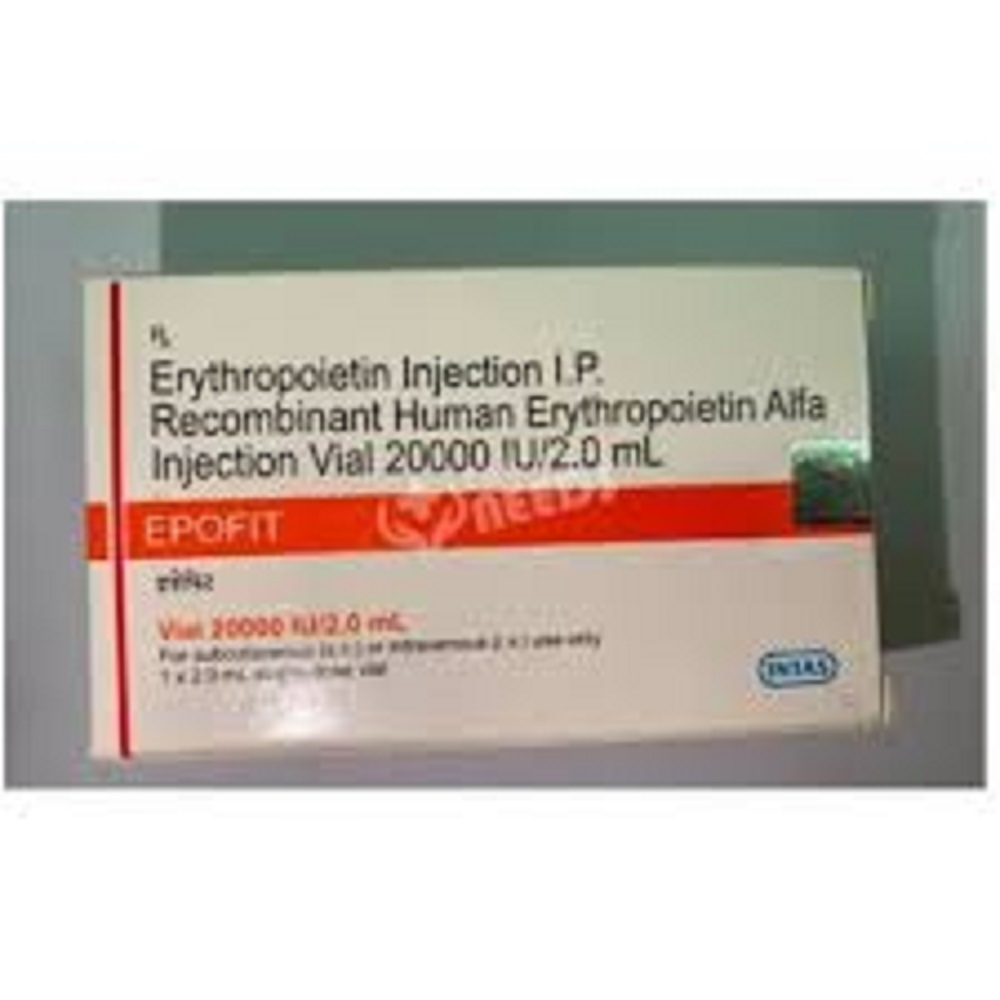
Renocrit 6000IU Injection belongs to the group of hormones used in the treatment of chronic anaemia and anaemic states seen in kidney disease, cancers, patients on chemotherapy, bone marrow disorders, and those due to undergo major bone surgery. Anaemia refers to low blood counts due to a deficiency of the blood component haemoglobin, resulting in a reduced oxygen-carrying capacity of the blood. Renocrit 6000IU Injection contains Recombinant Human Erythropoietin Alfa, which works by stimulating the bone marrow to produce more red blood cells, thereby correcting low blood counts and anaemia. In some cases, Renocrit 6000IU Injection may cause specific common side effects such as vomiting, diarrhoea, fever, and nasal congestion. Most of these side effects do not require medical attention and will resolve gradually. However, you are advised to talk to your doctor if you experience these side effects consistently. Please inform the doctor of your detailed medical history, including hypertension, heart disease, heart attack, stroke, epilepsy, cancer, liver disease, thromboembolism, porphyria and/or pure red cell aplasia (where the bone marrow cannot produce enough RBCs). Consult your doctor before taking Renocrit 6000IU Injection during pregnancy and nursing. Store this medicine at 2C-8C. Do not freeze.Powerful Management for AnemiaRenocrit Erythropoietin is designed for adults dealing with anemia due to chronic kidney disease, chemotherapy, or some HIV therapies. By stimulating the production of red blood cells, it helps relieve symptoms like fatigue and weakness, supporting better overall health and quality of life. Regular use as directed can significantly improve hemoglobin levels.
Advanced Biotechnology FormulationRenocrit utilizes recombinant DNA technology to provide a high-purity, reliable source of erythropoietin alfa. Carefully processed and rigorously tested, each prefilled syringe ensures consistent dosage and efficacy. This biotechnology product is recommended for adults and is considered vital in modern anemia care.
Safe and Convenient AdministrationAdministered by subcutaneous or intravenous injection, Renocrit ensures accurate dosing under medical supervision. Its pre-filled syringe format offers ease of use and portability, supporting both in-clinic and at-home administration under a healthcare professional's guidance. Always follow storage instructions strictly for maximum effectiveness.
FAQ's of Renocrit Erythropoietin 6000 iu injection:
Q: How should Renocrit Erythropoietin 6000 IU injection be administered?
A: Renocrit injection should be given either subcutaneously or intravenously, as directed by your physician. Only a healthcare professional should administer this medication following individualized dosage guidelines based on hemoglobin levels and clinical condition.
Q: What conditions is Renocrit used to treat?
A: Renocrit is indicated for the treatment of anemia associated with chronic kidney disease, for cancer patients undergoing chemotherapy, and in cases of anemia related to HIV therapy.
Q: When should I use Renocrit injection?
A: Renocrit should be used strictly as prescribed by your physician, with timing and frequency of administration determined by your hemoglobin levels and specific clinical needs. Never self-administer without medical supervision.
Q: Where should Renocrit be stored?
A: Renocrit must be stored in a refrigerator between 2C and 8C. Do not freeze the solution, and keep it protected from light to maintain its efficacy.
Q: What are the benefits of using Renocrit?
A: Renocrit stimulates the body's production of red blood cells, helping to manage and correct anemia. This results in increased energy, improved oxygen transport, and a better quality of life for those with chronic anemia.
Q: Are there any usage restrictions or contraindications for Renocrit injection?
A: Yes, Renocrit is not recommended for individuals with uncontrolled hypertension or known hypersensitivity to erythropoietin or its components. Always consult your doctor regarding potential contraindications before use.
Q: What adverse effects may occur with Renocrit?
A: Some users may experience hypertension, headaches, joint pain, or mild reactions at the injection site. If side effects occur, communicate promptly with your healthcare provider for guidance.