Product Description
Product introduction
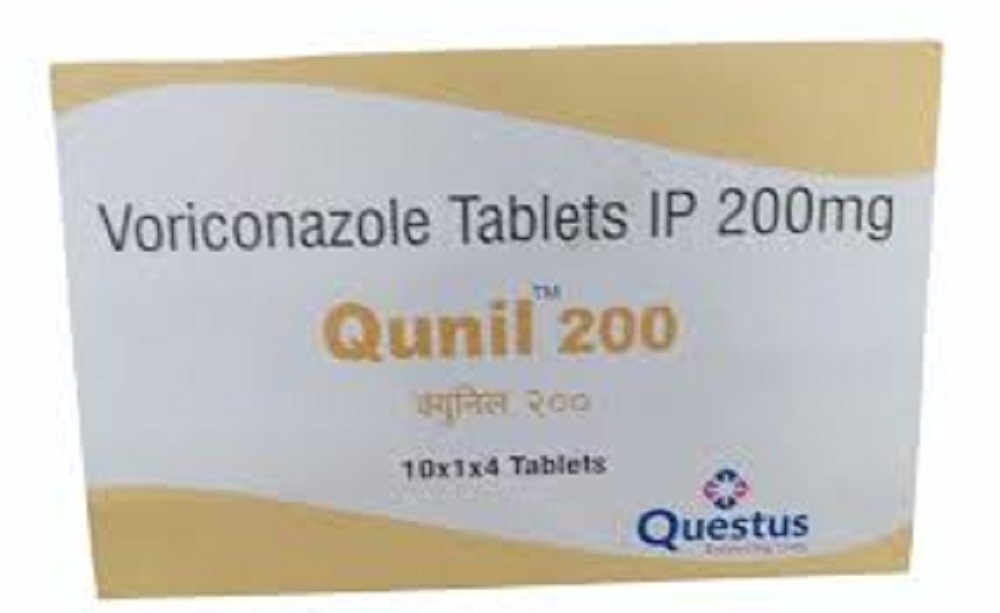
Qunil 200mg Tablet belongs to a group of medicines called antifungals. It works by stopping the growth of fungus and is used to treat a wide range of fungal infections. It kills fungi by destroying the fungal cell membrane.
Qunil 200mg Tablet should be taken in the dose and duration as prescribed by your doctor. It should be swallowed whole. It should be taken one hour before or one hour after a meal. The dosage and length of treatment will depend on the condition you are being treated for. Sometimes this will be in cycles of use and non-use. To get the most benefit, take this medicine at evenly spaced times and continue using it until your prescription is finished, even if your symptoms disappear after a few days. If you stop treatment too early, the infection may return and if you miss doses you can increase your risk of infections that are resistant to further treatment. Tell your doctor if the infection does not get better or if it gets worse.
The most common side effects of this medicine include rash, vomiting, nausea, and headache. These are not usually serious, but you should call your doctor if you think you might have a severe allergic reaction. Signs of this include rash, swelling of the lips, throat or face, swallowing or breathing problems, feeling dizzy or faint, and nausea. Get emergency help if this happens.
Comprehensive Antimalarial and Autoimmune TherapyQunil 200 Mg Tablets provide dual action as both an antimalarial agent and an immunomodulator. Specifically formulated for adults and children as advised by physicians, they offer reliable management for conditions such as malaria, rheumatoid arthritis, and lupus erythematosus. Containing Hydroxychloroquine 200 mg, these tablets require a prescription and regular medical oversight to ensure safe and effective results.
Safe Administration and Storage GuidelinesQunil 200 should always be taken by mouth, exactly as prescribed by a healthcare provider. The medication is supplied in blister packs, with 10 tablets per strip, offering ease of dose management. Store the tablets in a cool, dry place away from sunlight to maintain potency throughout the 24-month shelf life. Never exceed the recommended dose and avoid self-medication.
FAQ's of Qunil 200 Mg Tablets:
Q: How should Qunil 200 Mg Tablets be taken for best results?
A: Qunil 200 Mg Tablets should be taken orally and only as directed by a healthcare professional. Do not alter the dosage or frequency without consulting your doctor, and always complete the prescribed course.
Q: What are the main uses and therapeutic benefits of Qunil 200 Mg Tablets?
A: Qunil 200 is primarily used to treat malaria, rheumatoid arthritis, and lupus erythematosus. Its antimalarial and immunomodulatory properties help control symptoms and prevent disease progression in these conditions.
Q: When should I start monitoring for side effects while using Qunil 200 Mg Tablets?
A: Monitoring should begin from the start of therapy, especially with long-term use. Watch for signs like gastrointestinal upset, visual disturbances, or skin reactions, and report them promptly to your doctor.
Q: Where should Qunil 200 Mg Tablets be stored to maintain effectiveness?
A: Store Qunil 200 in a cool, dry location away from direct sunlight. This helps preserve the tablets' quality for up to 24 months from the date of manufacture.
Q: What precautions are necessary during long-term Qunil 200 Mg therapy?
A: Regular monitoring for cardiac, ocular, and hepatic health is essential during long-term use. Always keep appointments for health assessments as advised by your physician to minimize risks.
Q: What process should I follow if I miss a dose of Qunil 200?
A: If a dose is missed, take it as soon as you remember. If it is nearly time for the next dose, skip the missed one and resume your regular schedule. Do not double up on doses without medical advice.
Q: Is Qunil 200 Mg suitable for children and how is the correct dosage determined?
A: Qunil 200 can be prescribed for both adults and children, but only as directed by a doctor. The dosage is individually tailored by the physician based on the patient's condition and response to therapy.