Product Description
Product introduction
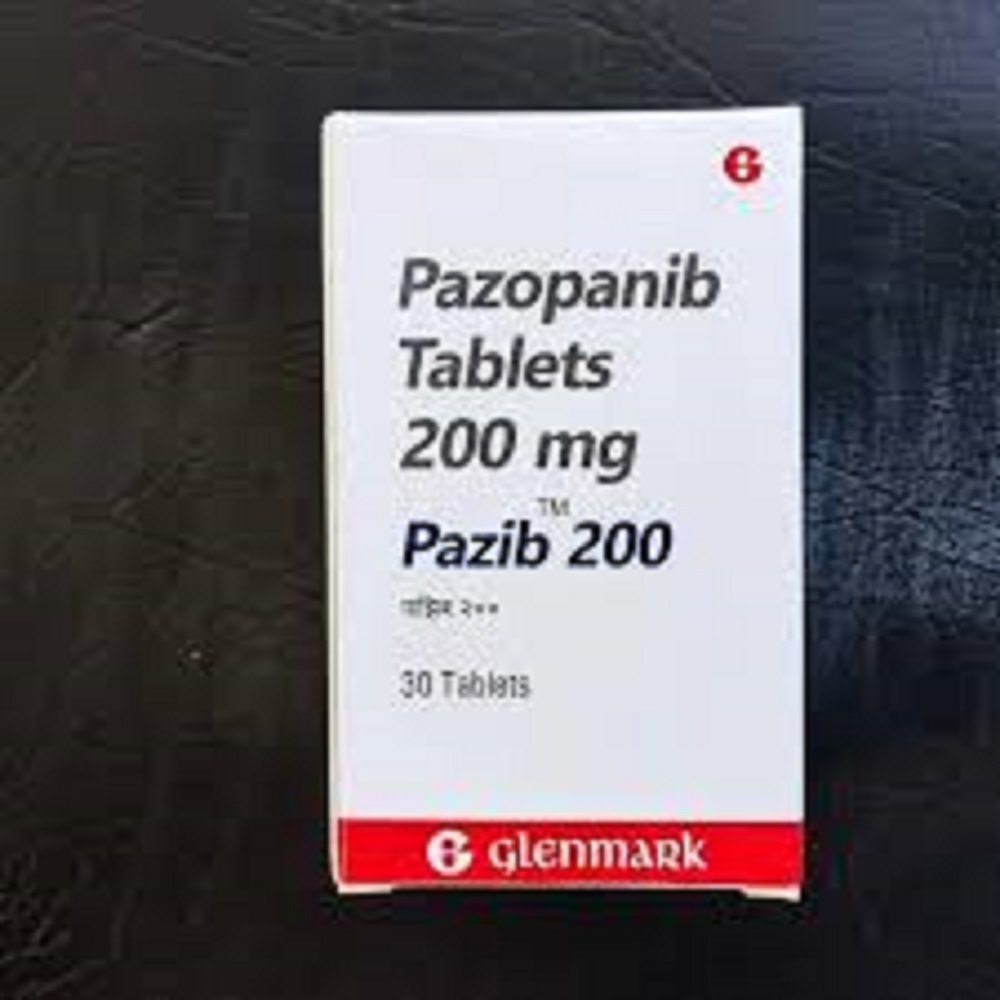
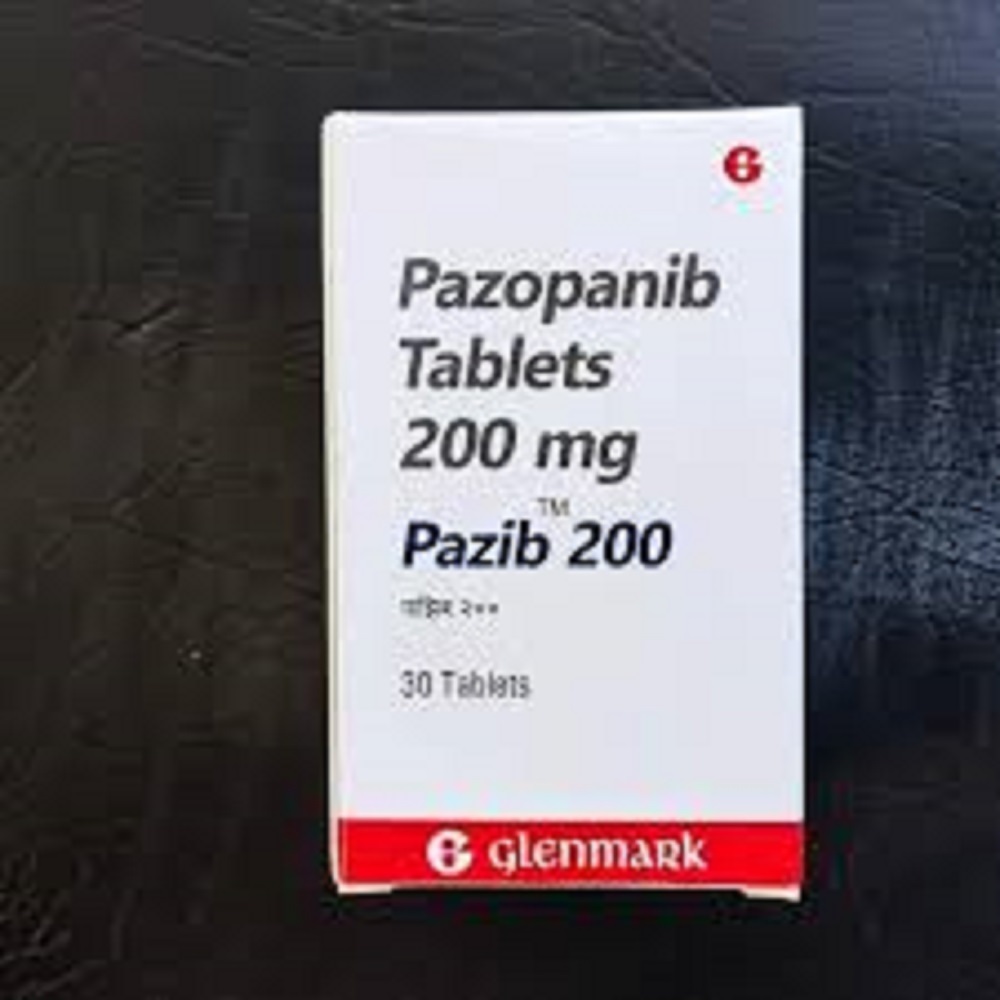
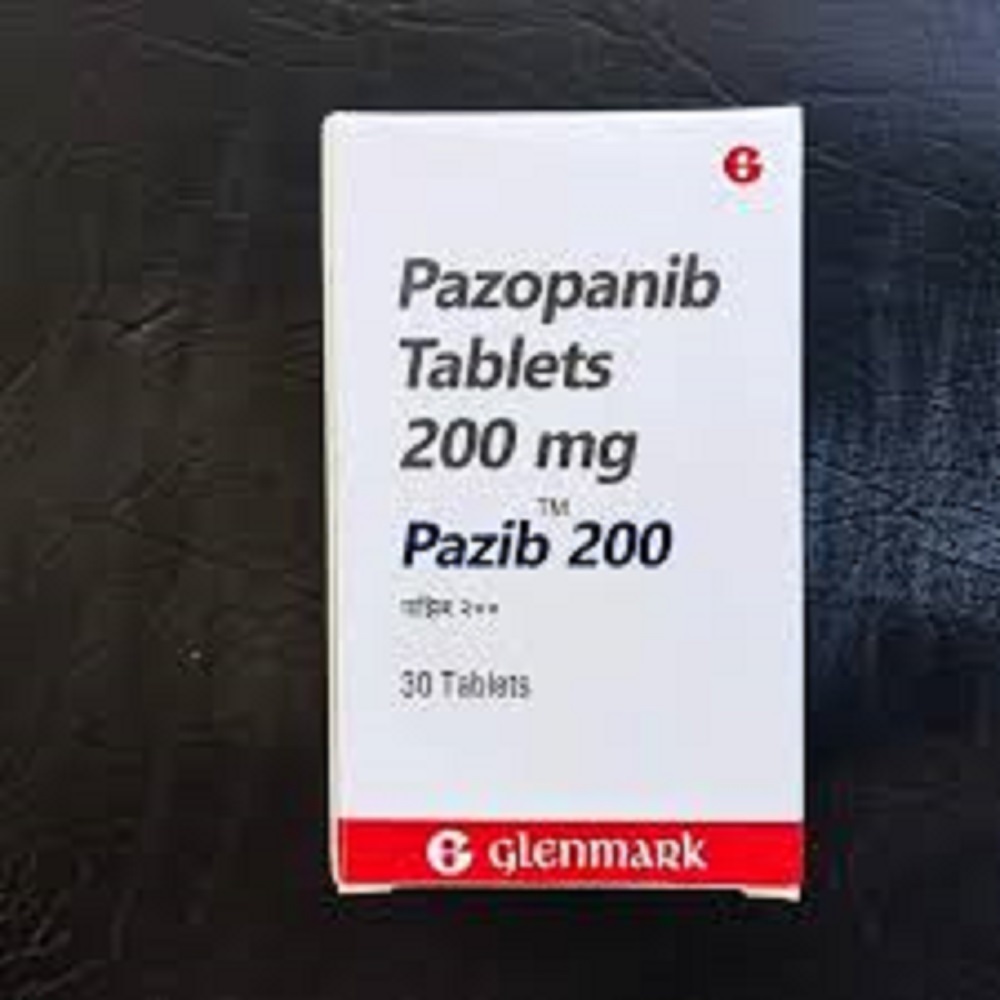
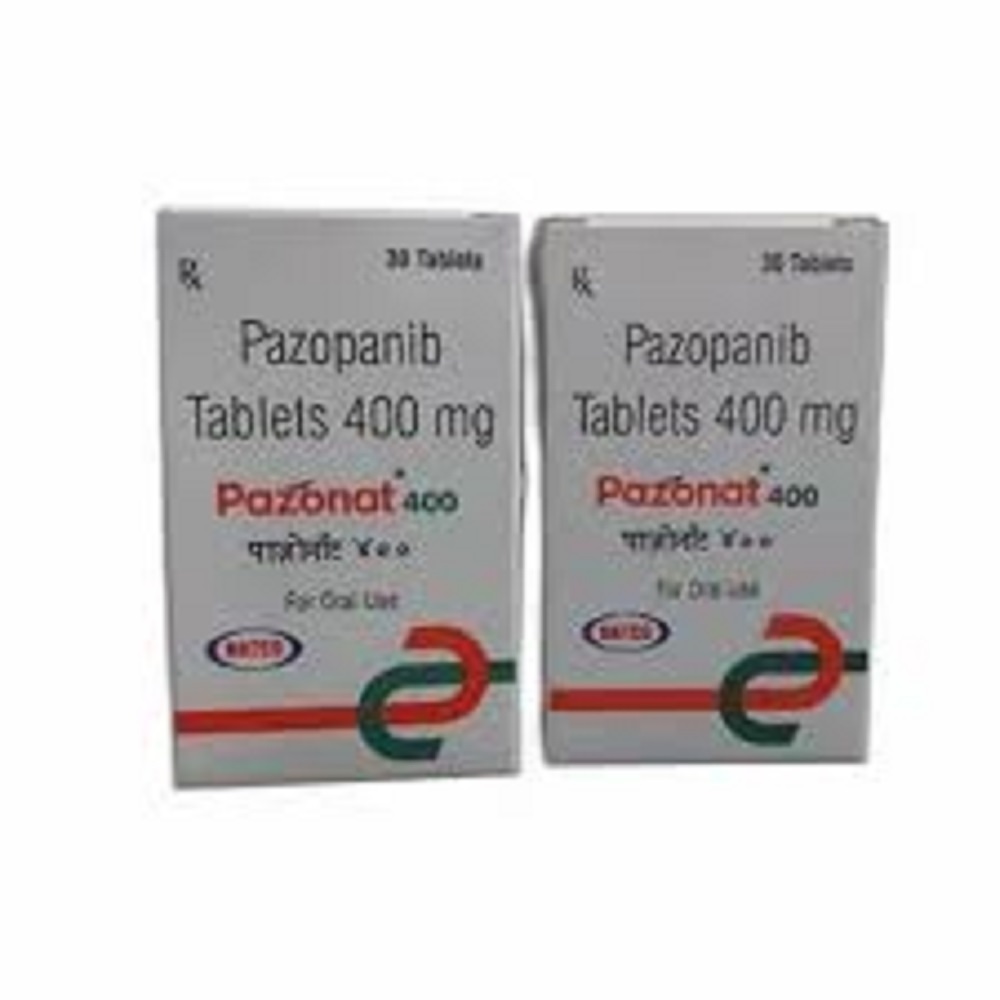
Pazib 200 Tablet is a protein kinase inhibitor used in the treatment of kidney cancer and soft tissue sarcoma.
Pazib 200 Tablet should be taken on an empty stomach, but try to have it at the same time every day to get the most benefits. Your doctor will decide what dose is necessary and how often you need to take it. This will depend on what you are being treated for and may change from time to time. You should take it exactly as your doctor has advised. Taking it in the wrong way or taking too much can cause very serious side effects. It may take several weeks or months for you to see or feel the benefits but do not stop taking it unless your doctor tells you to.
Diarrhea and high blood pressure are the most common side effects of this medicine. Doctor may advise for regular monitoring of your blood pressure while on treatment. Drink plenty of fluids to overcome diarrhea or consult with your doctor if it bothers you. This medicine may reduce the number of blood cells in your blood, thereby, increasing the susceptibility to infections. Hence, inform your doctor if you experience fever, flu-like symptoms and shortness of breath.
Before taking it, tell your doctor if you have heart disease, liver, or kidney problems or are taking any medicines to treat infections. Many other medicines can affect, or be affected by, this medicine so let your healthcare team know all medications you are using. This medicine is not recommended during pregnancy or while breastfeeding. The use of effective contraception by both males and females during treatment is important to avoid pregnancy.
Effective Tyrosine Kinase Inhibitor for Cancer TherapyPazib 200 Mg Tablets target specific enzymes required for cancer cell growth, offering a modern approach to managing renal cell carcinoma and advanced soft tissue sarcoma. By inhibiting these kinases, Pazib helps slow disease progression and improve clinical outcomes in selected patients. Its film-coated, easy-to-administer form makes it convenient for daily oral use under medical supervision.
Proper Storage for Maximum PotencyTo maintain the effectiveness of Pazib tablets, store them in their original packaging below 30C. Protecting the tablets from light and moisture helps preserve the stability and efficacy of the active ingredient, Pazopanib Hydrochloride. Always check the shelf life of 24 months from the date of manufacture and avoid using expired medication.
FAQ's of Pazib 200 Mg Tablets:
Q: How should Pazib 200 Mg Tablets be taken?
A: Pazib 200 Mg Tablets are to be taken orally as directed by your oncologist or cancer specialist. Swallow the tablet whole with water, and do not crush or chew it. Always follow the precise dosage and schedule prescribed to you for optimal results.
Q: What conditions are treated with Pazib 200 Mg Tablets?
A: Pazib is indicated for the treatment of renal cell carcinoma and advanced soft tissue sarcoma. It is prescribed by oncologists to help control the progression of these specific cancers through targeted therapy.
Q: When should I take Pazib 200 Mg Tablets during the day?
A: You should take Pazib at the same time each day, as instructed by your oncologist. Consistency helps maintain the required medication levels in your body for effective treatment.
Q: Where should I store Pazib 200 Mg Tablets?
A: Pazib tablets should be stored below 30C, away from direct light and moisture. Keep them in the original packaging and out of reach of children to ensure safety and medication integrity.
Q: What is the process for obtaining Pazib 200 Mg Tablets?
A: Pazib can only be obtained with a prescription written by an oncologist or qualified cancer specialist. Present the prescription to a licensed pharmacy, and ensure the medication is dispensed following legal and medical guidelines.
Q: What are the benefits of using Pazib for cancer patients?
A: Pazib offers the advantage of targeted cancer treatment through tyrosine kinase inhibition, which can help slow tumor growth and progression in renal cell carcinoma and advanced soft tissue sarcoma, as validated in clinical practice.