Product Description
Product introduction
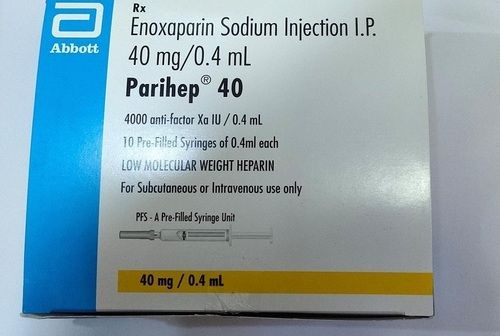
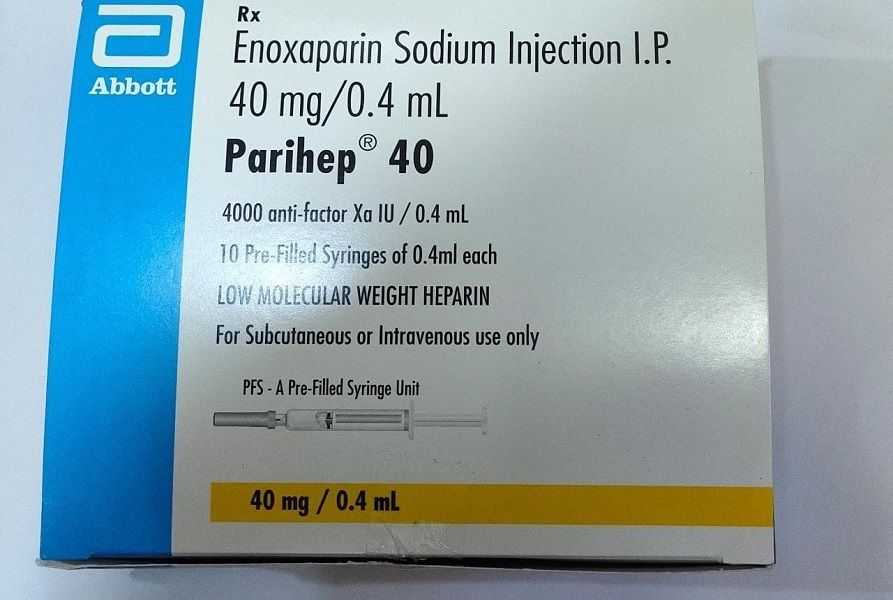
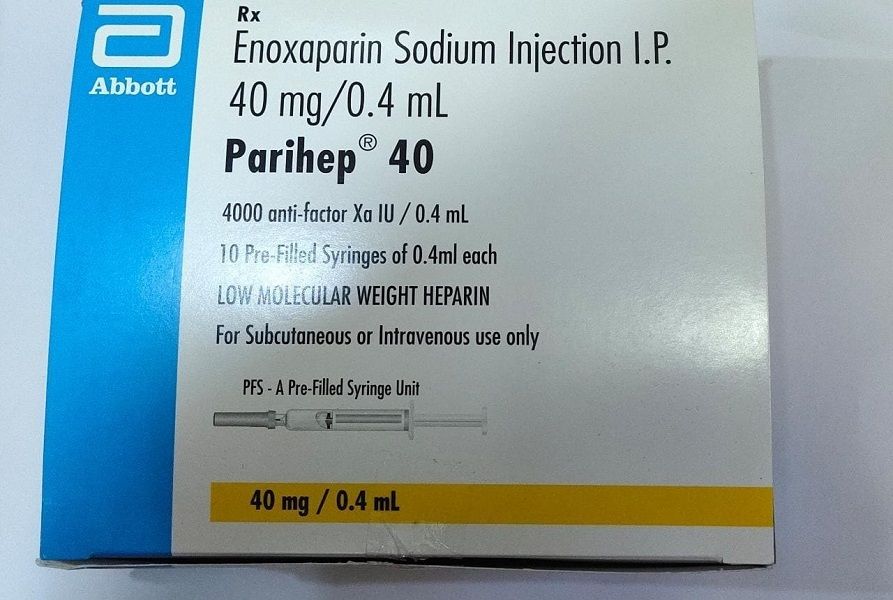
Parihep 40mg Injection is an anticoagulant used to prevent and treat harmful blood clots. It stops the existing clots from getting any bigger and restricts the formation of any new clot. It is also helpful in the prevention of blood clots in veins, a condition called deep vein thrombosis, and pulmonary embolism.
Parihep 40mg Injection is injected under the skin by a doctor or nurse. It should not be injected into a muscle. The dose and length of treatment are based on your medical condition, your response to the medicine, and what you are being treated for. It may also be based on your age and weight. It is important to keep using this medicine even if you do not notice any symptoms because it is preventing future harm. If you stop taking it, you could get a blood clot. While taking this medicine you should avoid doing things that increase your risk of bleeding or injury.
The most common side effect of this medicine include injection site pain, bleeding, headache, increased blood platelets, breathing problems, edema, anemia, fever, diarrhea, and increased liver enzymes. A severe headache could be a sign of bleeding in the brain. A severe stomach ache could be a sign of bleeding in the stomach. Bleeding can be dangerous and may not be obvious. Look out for symptoms and tell your doctor if you are worried.
Before using this medicine, you should tell your doctor if you have high blood pressure, diabetes, or have had a recent stroke. You should not take it if you have any current bleeding. Some medicines should not be used with Parihep 40mg Injection. Tell your doctor what else you are taking to make sure it is safe. If you have low body weight, you may be at increased risk of bleeding, and drinking alcohol can increase the risk of stomach bleeding.
Prophylaxis and Treatment BenefitsParihep 40 Mg Injection is primarily recommended for preventing serious blood clots, such as deep vein thrombosis and pulmonary embolism, especially in hospitalized adults or those undergoing certain surgeries. As an anticoagulant, it helps reduce the risk of life-threatening complications, supporting cardiovascular health and patient recovery when used as prescribed.
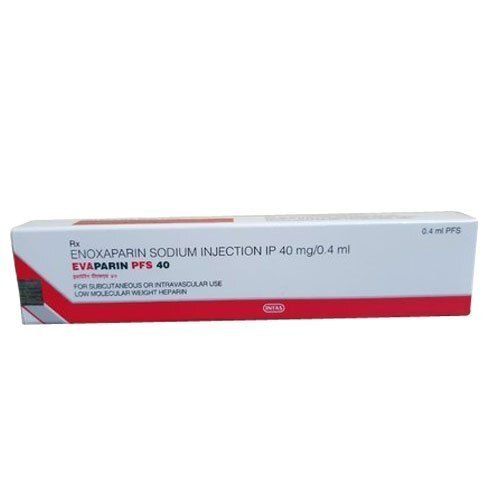
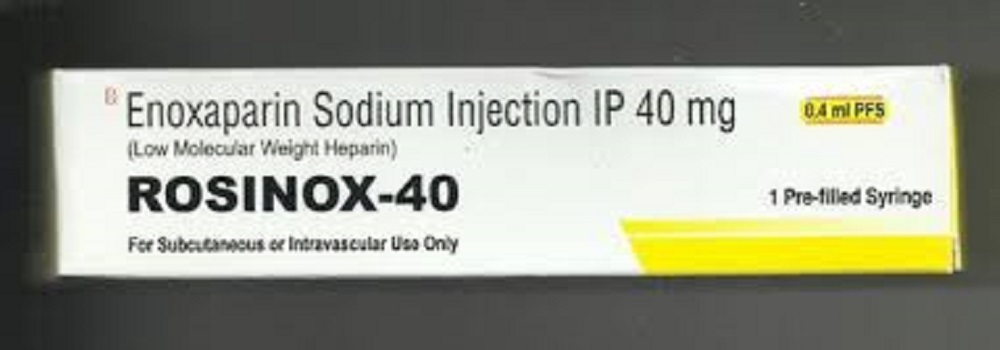
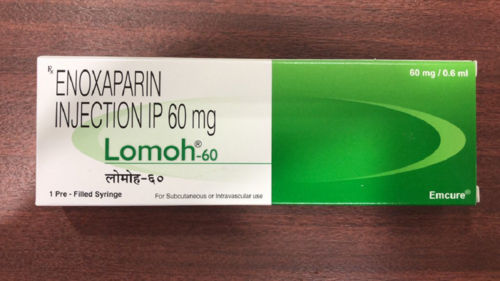
Safe and Simple AdministrationThis medication is conveniently provided in a ready-to-use pre-filled syringe, making subcutaneous injection straightforward for clinical professionals. The solution is preservative-free, ensuring a high standard of patient safety. It should always be administered under medical supervision, as dosing and frequency may need to be adjusted based on individual patient needs.
FAQ's of Parihep 40 Mg Injection:
Q: How is Parihep 40 Mg Injection administered?
A: Parihep 40 Mg Injection must be given as a subcutaneous injection, typically administered by a healthcare professional in a hospital or clinical setting. The dose is 40 mg per syringe, following your physician's instructions.
Q: What is Parihep 40 Mg Injection used for?
A: This injection is used for preventing deep vein thrombosis (DVT), pulmonary embolism, and for anticoagulation in various cardiovascular conditions. It serves as a prophylactic agent against thromboembolic disorders in adults.
Q: When should Parihep 40 Mg Injection not be used?
A: Do not use this injection if you have active major bleeding or a history of heparin-induced thrombocytopenia. Always inform your physician of your medical history before starting treatment.
Q: Where should I store Parihep 40 Mg Injection?
A: Keep Parihep 40 Mg Injection below 25C. Do not freeze the product. Ensure it is stored out of reach of children and only used before its expiration date.
Q: What are the common side effects of Parihep 40 Mg Injection?
A: Some people may experience bleeding, injection site reactions (like redness or swelling), or a low platelet count. Seek medical attention if you notice unusual symptoms, especially signs of bleeding.
Q: How does Parihep 40 Mg Injection provide benefit to patients?
A: By reducing the risk of dangerous blood clots, it helps prevent serious complications in patients with an increased risk of thromboembolism, particularly those undergoing surgery or bedridden due to illness.