Product Description
It is given as an injection by a qualified medical professional. Your doctor will decide what dose is necessary and how often you need to take it. This will depend on what you are being treated for and may change from time to time. You should take it exactly as your doctor has advised. Taking it in the wrong way or taking too much can cause very serious side effects. It may take several weeks or months for you to see or feel the benefits but do not stop taking it unless your doctor tells you to.
Some common side effects of this medicine include nausea, vomiting, and weakness. It may also cause serious side effects such as swelling of hands, lips, hair loss, and weight gain. To reduce these side effects your doctor may suggest some medication along with it. But, inform your doctor if you notice unexplained bruising or bleeding, sore throat, mouth ulcers, high temperature (fever). This medicine may reduce the number of blood cells (decrease red blood and white blood cells) in your blood, thereby, increasing the susceptibility to infections. Regular blood tests are required to check your blood cells and liver function.
Before taking it, tell your doctor if you have heart disease, liver, or kidney problems or are taking any medicines to treat infections. Many other medicines can affect, or be affected by, this medicine so let your doctor know all medications you are using. This medicine is not recommended during pregnancy or while breastfeeding. The use of effective contraception by both males and females during treatment is important to avoid pregnancy.
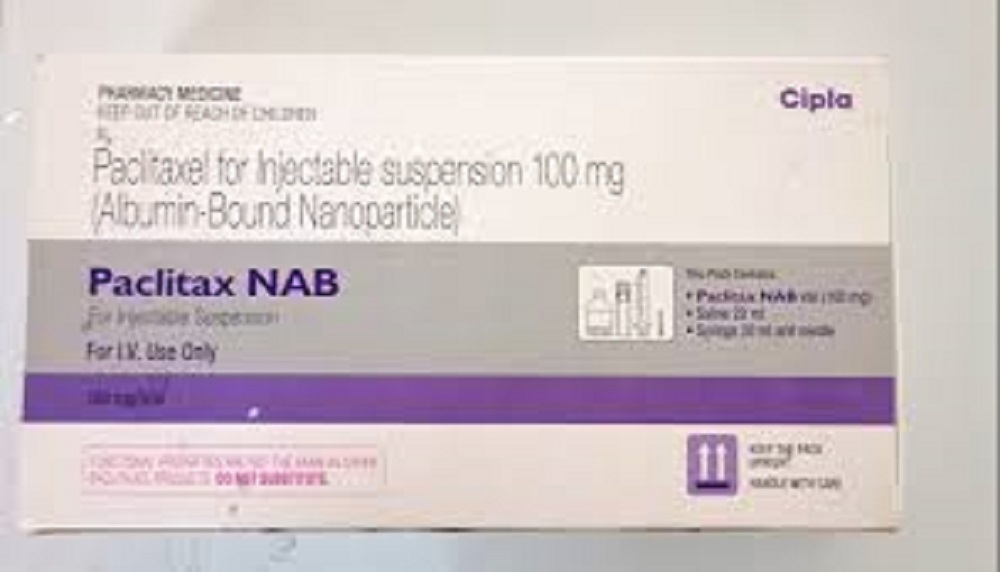
Targeted Efficacy in Cancer TherapyPaclitax-Nab is specifically developed to treat advanced stages of breast, lung, and pancreatic cancers. Its albumin-bound formulation offers enhanced delivery to tumor tissues, potentially improving treatment outcomes. Used under the direction of an oncologist, it forms a core part of standard chemotherapy regimens for eligible adult patients.
Safe Handling and PreparationThe product is supplied as a lyophilized powder that requires reconstitution with a recommended diluent before intravenous administration. Proper technique and safety precautions are essential, making it crucial for preparation and administration to be performed by trained healthcare professionals. Strict storage and handling guidelines help maintain its potency and safety.
Patient Considerations and MonitoringCommon side effects may include nausea, myelosuppression, peripheral neuropathy, and hair loss. Regular monitoring by healthcare providers is necessary to manage these side effects and assess treatment response. The dosage is individually determined based on the patient's clinical status and oncologist's assessment.
FAQ's of Paclitax Nab Injection:
Q: How is Paclitax-Nab Injection administered to patients?
A: Paclitax-Nab is administered intravenously as an infusion by healthcare professionals, after reconstitution with the recommended diluent. The dosage and infusion schedule are determined by your oncologist based on your specific treatment plan and cancer type.
Q: What conditions is Paclitax-Nab recommended to treat?
A: Paclitax-Nab is indicated for the treatment of metastatic breast cancer, non-small cell lung cancer, and pancreatic cancer in adult patients. The use and dosing guidelines depend on the clinical protocol advised by your oncologist.
Q: When should Paclitax-Nab Injection be used?
A: Paclitax-Nab should be used when prescribed by a qualified healthcare professional, specifically for patients diagnosed with eligible cancers as per the oncologist's recommendation. Treatment cycles and frequency will vary according to individual patient response and cancer type.
Q: Where should Paclitax-Nab Injection be stored before use?
A: Store Paclitax-Nab vials below 25C and protect them from light. Ensure the vial is kept in its original packaging until ready for reconstitution and use. Do not freeze the product.
Q: What is the process for preparing Paclitax-Nab for infusion?
A: Before administration, Paclitax-Nab must be reconstituted with the recommended diluent according to the manufacturer's guidelines. Qualified medical staff should handle the preparation using sterile technique to ensure safety and efficacy.
Q: What are the common side effects of Paclitax-Nab Injection?
A: Some frequently reported side effects include nausea, hair loss, myelosuppression (reduced blood cell counts), and peripheral neuropathy. Your healthcare provider will monitor you periodically and provide support or medication to manage side effects if they arise.
Q: What benefits does Paclitax-Nab offer in cancer treatment?
A: Paclitax-Nab delivers paclitaxel via an albumin-bound formulation, which may enhance drug delivery to tumors and reduce the need for premedication against allergic reactions. It plays a vital role in treating certain advanced cancers as a proven chemotherapy option.