Product Description
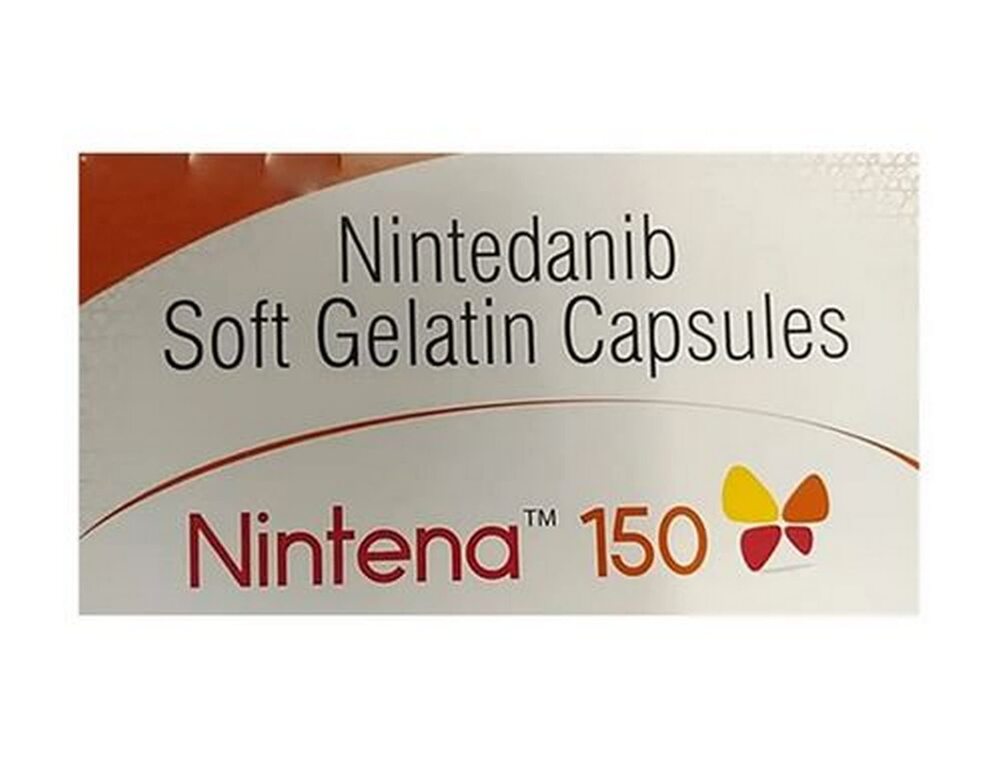
Nintena 150mg Soft Gelatin Capsule is used in the treatment of idiopathic pulmonary fibrosis and non-small cell lung cancer. It works by targeting certain pathways involved in the growth and progression of these diseases and helps to stop or slow the spread of cancer cells.Nintena 150mg Soft Gelatin Capsule should be taken with food, but try to have it at the same time every day to get the most benefits. Your doctor will decide what dose is necessary and how often you need to take it. This will depend on what you are being treated for and may change from time to time. You should take it exactly as your doctor has advised. Taking it in the wrong way or taking too much can cause very serious side effects. It may take several weeks or months for you to see or feel the benefits but do not stop taking it unless your doctor tells you to.
Diarrhea is a very common side effect of this medicine. You are advised to drink plenty of fluids and inform your doctor if it does not go away. Other common side effects include nausea, abdominal pain, vomiting, abnormal liver function tests, loss of appetite, headache, weight loss, and high blood pressure. Your doctor might ask you for some blood tests to monitor liver functioning.
Before taking it, tell your doctor if have a bleeding problem, liver, or kidney problems or are taking any medicines to treat infections. Many other medicines can affect, or be affected by, this medicine so let your healthcare team know all medications you are using. This medicine is not recommended during pregnancy or while breastfeeding. The use of effective contraception by both males and females during treatment is important to avoid pregnancy.
Advanced Anti-Fibrotic TherapyNintena 150mg Capsule delivers Nintedanib in an effective oral dosage form, specifically formulated for the management of serious respiratory conditions. Its mechanism of action targets fibrosis pathways, which helps in slowing the progression of diseases like IPF and certain types of ILDs. The consistent dosage and pharmaceutical quality provide reliable support in long-term anti-fibrotic therapy.
Safe and Reliable PackagingEach Nintena strip contains 10 capsules, securely packed in an Alu-Alu format and enclosed in a monocarton. This robust packaging protects the contents from moisture and environmental factors, ensuring product freshness over a 24-month shelf life. The design is convenient for dispensing, storage, and compliance, supporting both patients and healthcare professionals.
FAQs of Nintena 150mg Capsule:
Q: How should Nintena 150mg Capsule be taken?
A: Nintena 150mg Capsule should be swallowed whole with water, preferably after food, as prescribed by your doctor. Adhere strictly to the dosing schedule provided by your healthcare provider.
Q: What are the main conditions Nintena 150mg treats?
A: Nintena is indicated for treating Idiopathic Pulmonary Fibrosis (IPF), chronic fibrosing interstitial lung diseases (ILDs), and systemic sclerosis-associated ILD, helping slow the progression of fibrotic processes in the lungs.
Q: When is the best time to take Nintena 150mg Capsule?
A: It is generally recommended to take Nintena at the same times each day, following your doctors instructions. Consistency aids in maintaining effective therapeutic levels and minimizing side effects.
Q: Where should I store Nintena 150mg Capsules?
A: Store the capsules below 30C and protect them from moisture. Keep them in their original Alu-Alu strip and monocarton packaging until use, and ensure they are out of childrens reach.
Q: What is the benefit of using Nintena 150mg in fibrosing ILDs?
A: Nintenas anti-fibrotic action helps to reduce scarring and stiffening of lung tissue, slowing the progression of diseases like IPF and other fibrosing ILDs, which may improve quality of life and breathing capacity.
Q: Who should not take Nintena 150mg Capsule?
A: Nintena is contraindicated in individuals with hypersensitivity to Nintedanib or any excipients in the capsule, and should not be used during pregnancy (Category D) due to potential risks to the fetus.