Product Description
Product introduction
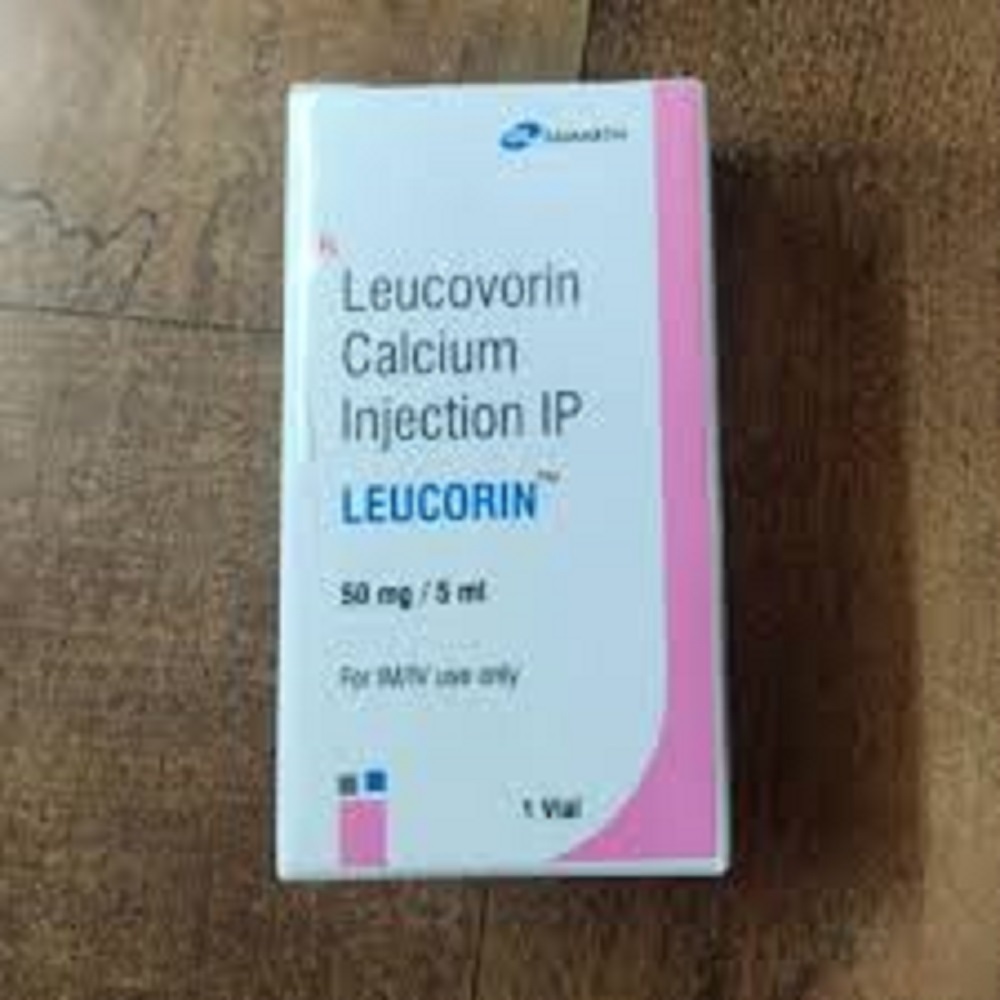
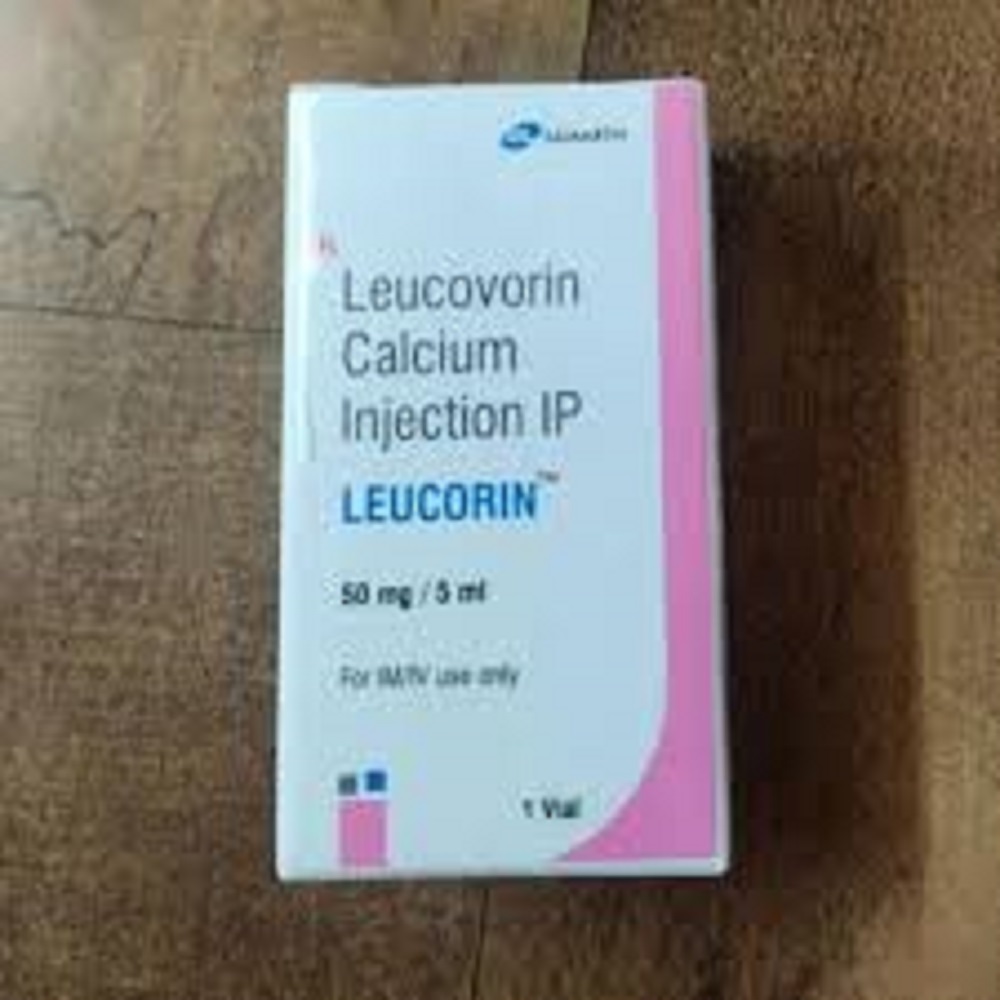
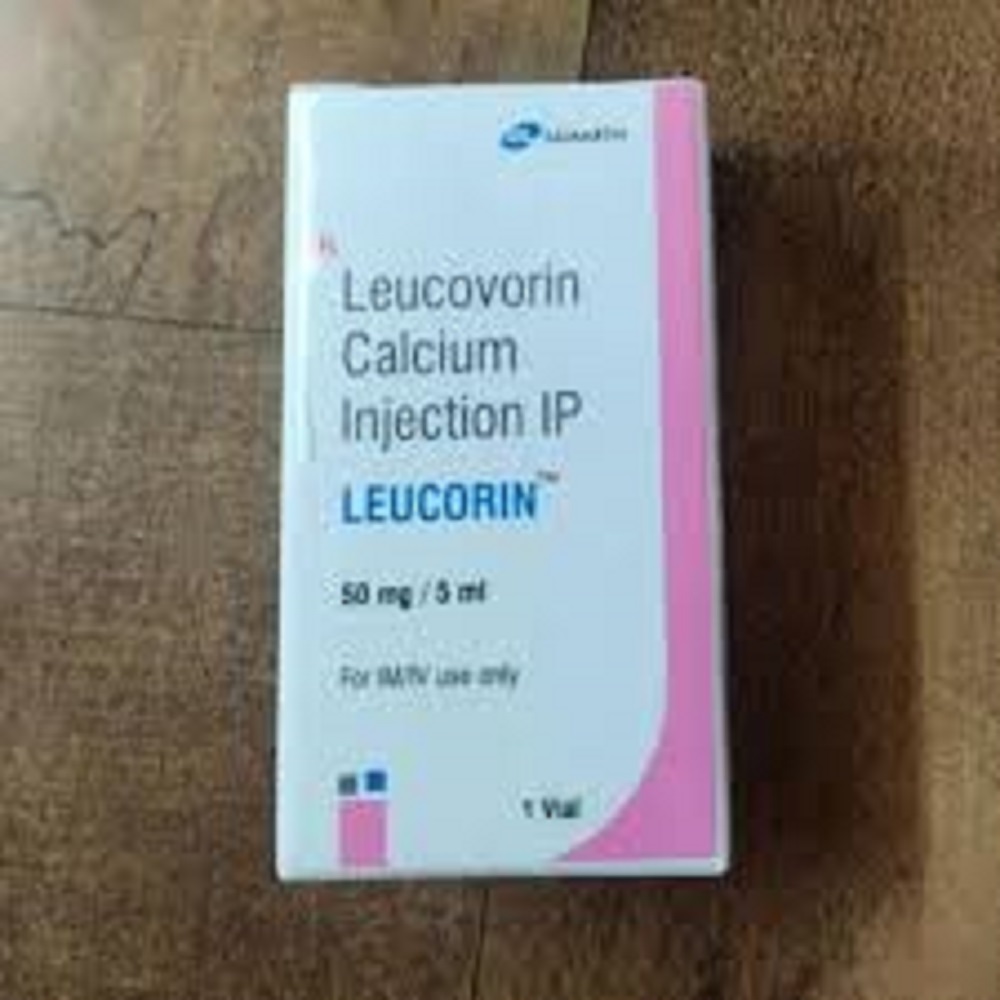
Leucorin 50mg Injection is used to prevent the harmful effects of methotrexate (anticancer medicine). It is also used to treat overdose of methotrexate.
Leucorin 50mg Injection is given as a slow injection into veins under the supervision of a doctor. Your doctor will decide what dose is necessary and how often you need to take it. This will depend on what you are being treated for and may change from time to time. You should take it exactly as your doctor has advised. Taking it in the wrong way or taking too much can cause very serious side effects.
Injection site reactions (pain, swelling, redness) are common side effects of this medicine. If these bother you or appear serious, let your doctor know. There may be ways of reducing or preventing them. Regular blood tests are required to check your blood cells and serum methotrexate concentration in blood.
Before taking it, tell your doctor if have seizures, liver, or kidney problems or are taking any medicines to treat infections. Many other medicines can affect, or be affected by, this medicine so let your healthcare team know all medications you are using, especially phenytoin for your seizures. To make sure it is safe for you, let your doctor know if you are pregnant or breastfeeding before taking this medicine.
Mechanism and IndicationLeucorin (Calcium Leucovorin) acts by replenishing folate stores in the body, effectively counteracting the harmful effects of folic acid antagonists like methotrexate. Its primary uses include decreasing methotrexate toxicity during cancer therapy, serving as an adjunct for colorectal cancer, and treating folate antagonist-induced megaloblastic anemia.
Administration Process and PackagingThis product is administered intravenously or intramuscularly as directed by a medical professional. Each 5ml glass vial contains a clear, yellowish, sterile solution. Leucorin must not be mixed with other medications in the same syringe to maintain efficacy and safety.
Storage and StabilityLeucorin injection should be stored below 25C, shielded from light, and must not be frozen. The vial is designed for single use, and any remaining solution should be discarded properly to avoid contamination. Its shelf life extends up to two years from the manufacture date, ensuring long-term availability.
FAQ's of Leucorin 50 Mg Injection:
Q: How should Leucorin 50 Mg Injection be administered?
A: Leucorin 50 Mg Injection should be administered by a healthcare professional as an intravenous or intramuscular injection. Do not attempt self-administration and always follow the prescribed dosage and instructions.
Q: What are the primary benefits of using Leucorin 50 Mg Injection?
A: The main benefit of Leucorin is its ability to reduce the toxic effects of methotrexate and other folic acid antagonists. It also serves as an adjunct therapy in colorectal cancer and supports the treatment of megaloblastic anemia due to folate antagonist use.
Q: When is Leucorin 50 Mg Injection contraindicated?
A: Leucorin should not be used in patients with pernicious anemia or vitamin B12 deficiency, as it does not correct neurological complications and may mask symptoms of these conditions.
Q: Where should Leucorin vials be stored?
A: Store Leucorin below 25C in a cool, dry place protected from light. The vials should not be frozen, and any leftover solution should be discarded after opening.
Q: What is the process for preparing and using Leucorin 50 Mg Injection?
A: Leucorin comes in a sterile, ready-to-use glass vial containing a clear yellowish solution. The prescribed dose is drawn and administered by a healthcare professional, ensuring it is not mixed with other drugs in the same syringe.
Q: What are common side effects associated with Leucorin?
A: Possible side effects include allergic reactions, rash, fever, and gastrointestinal disturbances. Notify your doctor immediately if you experience any unusual or severe reactions after administration.
Q: Can Leucorin be used with other medications?
A: Leucorin should not be mixed with other medications in the same syringe. Inform your healthcare provider about all medicines you are taking to avoid possible interactions.