Product Description
Product introduction
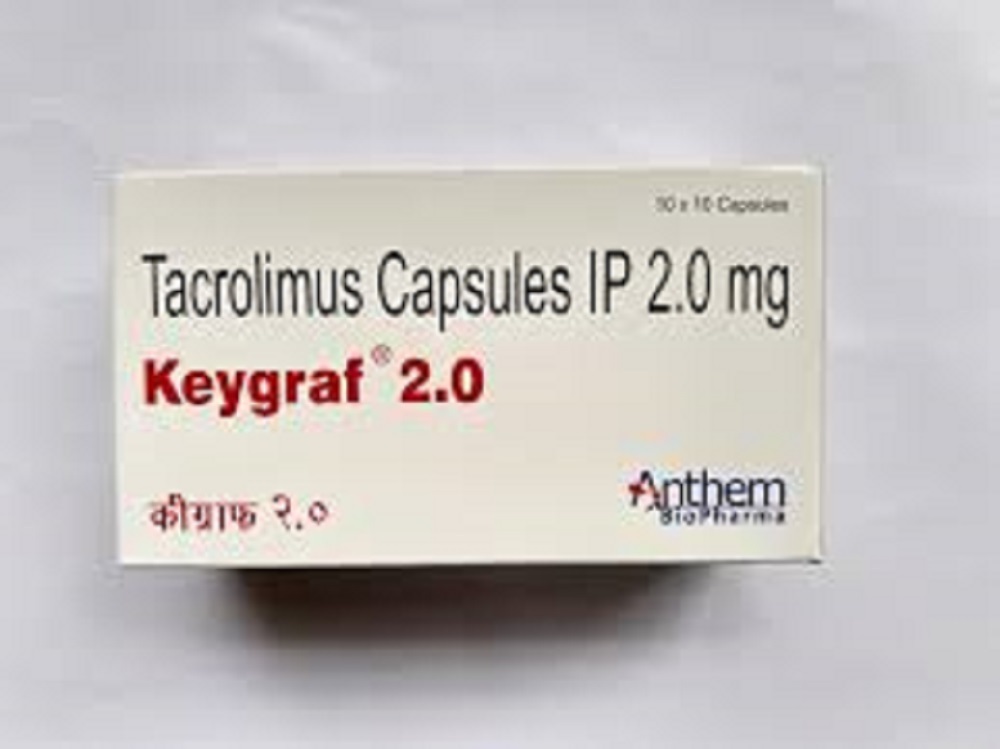
Keygraf 2 Capsule is used along with other medicines to prevent your body from rejecting a new organ (e.g., liver, kidney, or heart) after transplant. It does so by weakening your bodys immune system, so it does not attack the new organ. This medication belongs to a class of drugs known as immunosuppressants.
The amount of Keygraf 2 Capsule you take and how often you take it depends on the type of transplant you have, your body weight, and what other medicines you are taking. Follow your doctors instructions carefully. You should take it on an empty stomach, at least 1 hour before or 2 hours after a meal. Take this medicine regularly to get the maximum benefit and keep taking it, even if you feel well. If you stop taking it, you may increase the chances of rejecting your transplanted organ.
Mechanism and FunctionKeygraf 2 Mg Capsules function as an immunosuppressant, weakening the body's immune response to prevent rejection of transplanted organs such as kidneys or liver. Tacrolimus, the active ingredient, works by inhibiting immune cells that can attack the new organ, thus supporting the long-term success of the transplant.
Proper Administration and DosageThis prescription-only capsule should be taken orally, once daily at the same time, with or without food. Carefully follow the dosage prescribed by your physician, as adjusting it without medical advice can increase the risk of side effects or reduce effectiveness. Consistency in intake helps maintain stable blood levels of the medicine.
Storage and Shelf LifeStore Keygraf capsules in a cool place below 25C, away from moisture and direct light to preserve their potency. With a shelf life of 24 months, always check the expiry date on the packaging before use. Improper storage may compromise both the safety and efficacy of the medicine.
FAQ's of Keygraf 2 Mg Capsules:
Q: How should I take Keygraf 2 Mg Capsules for the best results?
A: Take Keygraf 2 Mg Capsules orally at the same time every day, either with or without food, as directed by your physician. Consistent timing helps keep the drug at a stable level in your system, enhancing its effectiveness in preventing organ rejection.
Q: What is Keygraf 2 Mg Capsules used for?
A: Keygraf 2 Mg Capsules are prescribed to prevent organ rejection in adults who have received a kidney or liver transplant. The medication lowers your immune system's response, helping the new organ function properly without being attacked by your body's defense mechanisms.
Q: When should I avoid using Keygraf 2 Mg Capsules?
A: You should not use Keygraf 2 Mg Capsules during pregnancy or lactation unless prescribed by your doctor. It's important to disclose all medical conditions and medications you are taking to your doctor before starting this treatment.
Q: Where should I store Keygraf 2 Mg Capsules?
A: Store the capsules at a temperature below 25C, away from moisture and direct light. Always keep them in their original packaging and out of reach of children to ensure their safety and effectiveness.
Q: What are the possible side effects of Keygraf 2 Mg Capsules?
A: Common side effects may include headache, nausea, diarrhea, increased blood sugar, and kidney problems. If you experience persistent or severe symptoms, contact your healthcare provider immediately.
Q: What should I do if I miss a dose of Keygraf 2 Mg Capsules?
A: If you miss a dose, take it as soon as you remember unless it's nearly time for your next scheduled dose. Do not double the dose to make up for the missed one. Consult your physician for additional guidance if multiple doses are missed.
Q: Are there alternatives to Keygraf 2 Mg Capsules?
A: Yes, potential substitutes include Prograf, Tacroz, and PanGraf, which also contain the active ingredient Tacrolimus. Always consult your doctor before switching medications to ensure it's appropriate for your health condition.