Product Description
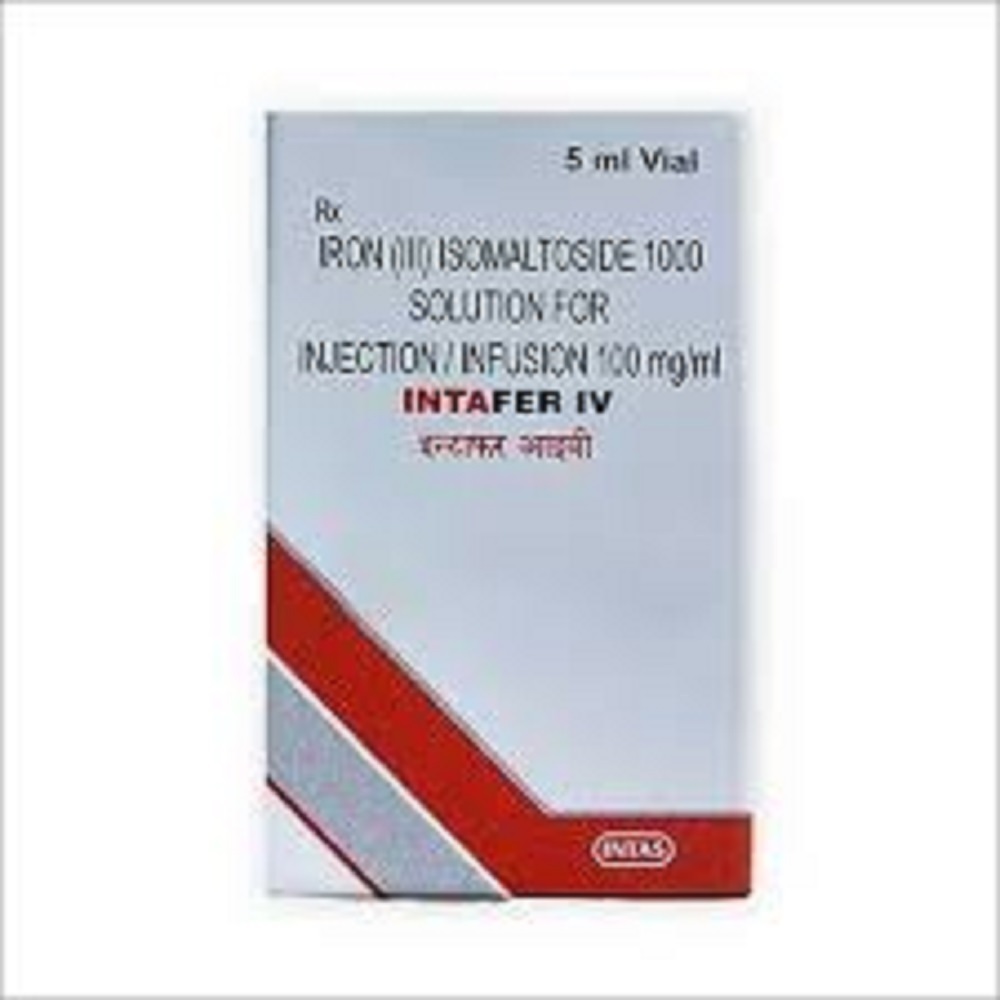
.Intafer 100mg Injection is generally given by a doctor or nurse. You should not self-administer this medicine at home. You will be watched carefully to make sure you do not have an allergic reaction. Your doctor will decide how many doses you need and how many injections you should have to improve your anemia. Depending on the cause of your anemia, it may help to eat a well-balanced diet that has enough iron, vitamins, and minerals. Good sources of iron include meat, eggs, raisins, broccoli, and lentils.
The most common side effects include vomiting, nausea, constipation, and dark-colored stools. Most of these usually go away within a short time. If you are bothered by them or they go on for longer, talk to your doctor or nurse.
Before taking it, tell your doctor if you have rheumatoid arthritis, asthma or other allergies, high blood pressure, or liver problems. This may affect your treatment. It is not known whether this medicine is safe for use if you are pregnant or breastfeeding so please take advice from your doctor. You will have tests to check your blood cells and iron levels, monitor your progress and check for side effects. It may be advisable to limit alcohol during treatment.
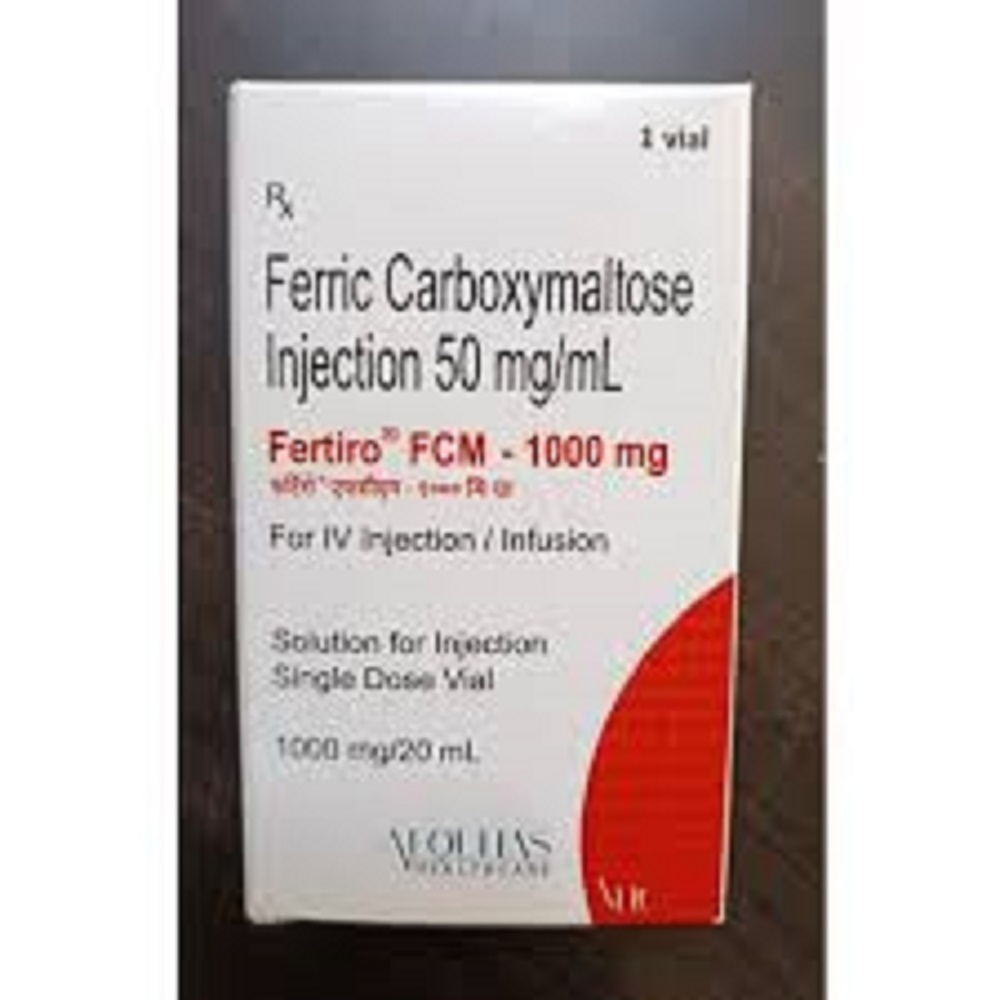
Targeted Iron Supplement for AnemiaIntafer 1000 Mg Injection is designed to efficiently manage iron deficiency anemia in adults. Its intravenous route supports rapid replenishment of iron stores, making it suitable for individuals unable to tolerate or absorb oral iron supplements. Ferric carboxymaltose as its active component, ensures high bioavailability and optimal results when administered as per physician's guidance.
Safe and Convenient AdministrationEach Intafer injection is packaged in a single-use, sterile vial containing a maximum weekly dose of 1000 mg iron. The administration should only be performed by medical professionals, ensuring accurate dosing and minimizing the risk of adverse reactions. Its clear brown solution is easily handled and should be kept at room temperature, away from direct light and never frozen.
Long Shelf Life and Secure PackagingWith a shelf life of 24 months, Intafer offers reliable storage and availability. The product comes in secure packaging, with each box containing one 20 ml vial for single patient use. Proper storage below 25C and protection from light are essential for maintaining potency and safety.
FAQ's of Intafer 1000 Mg Injection:
Q: How should Intafer 1000 Mg Injection be administered?
A: Intafer 1000 Mg Injection must be administered intravenously by a qualified healthcare professional in a clinical setting to ensure safety and correct dosage.
Q: What is the main benefit of using Intafer 1000 Mg Injection?
A: The main benefit is the rapid correction of iron deficiency in adults, especially for patients who cannot tolerate oral iron or require a fast replenishment of body iron stores.
Q: When is Intafer 1000 Mg Injection recommended?
A: Intafer is recommended for adults with diagnosed iron deficiency anemia, particularly when oral iron therapy is ineffective or unsuitable as per physician's guidance.
Q: Who should not receive Intafer 1000 Mg Injection?
A: Intafer should not be used in individuals with known hypersensitivity to ferric carboxymaltose or any component of the injection.
Q: What precautions should be taken during storage?
A: Store Intafer below 25C, protect it from light, and do not freeze. Follow all storage instructions on the label to maintain product integrity.
Q: Can Intafer 1000 Mg Injection be used during pregnancy?
A: Intafer should only be used during pregnancy if clearly needed and after evaluation by a physician. Always consult a healthcare professional before its use in pregnant women.
Q: What is the maximum allowed dose of Intafer 1000 Mg Injection per week?
A: The maximum single dose is 1000 mg iron (20 ml) per week, as per the physician's instructions. Do not exceed this dosage without medical advice.