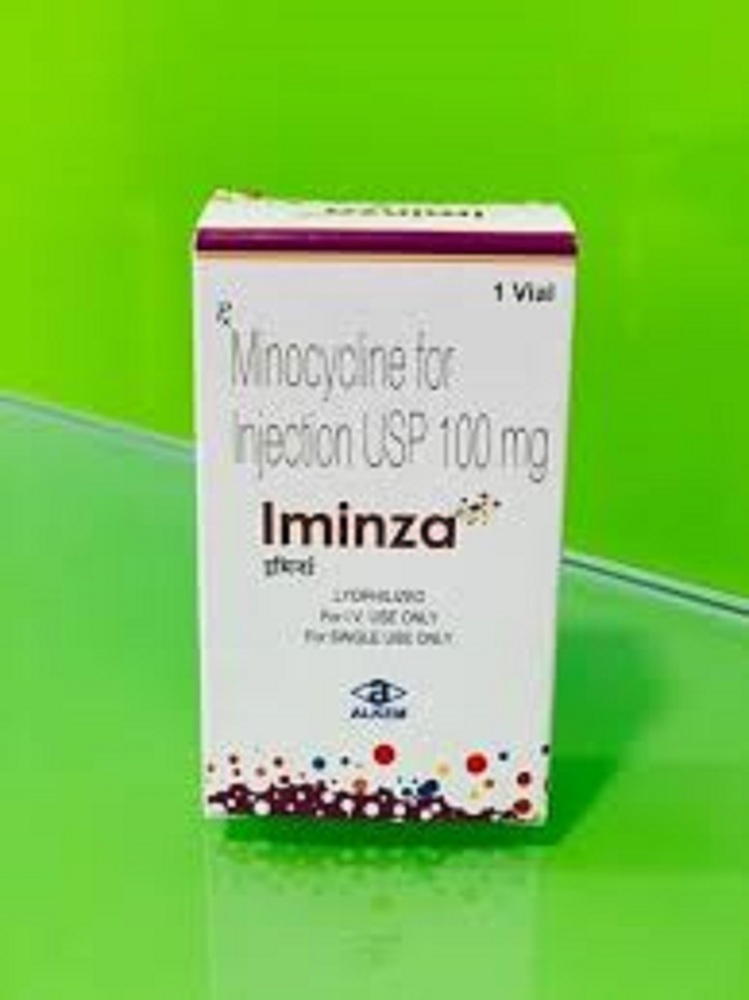
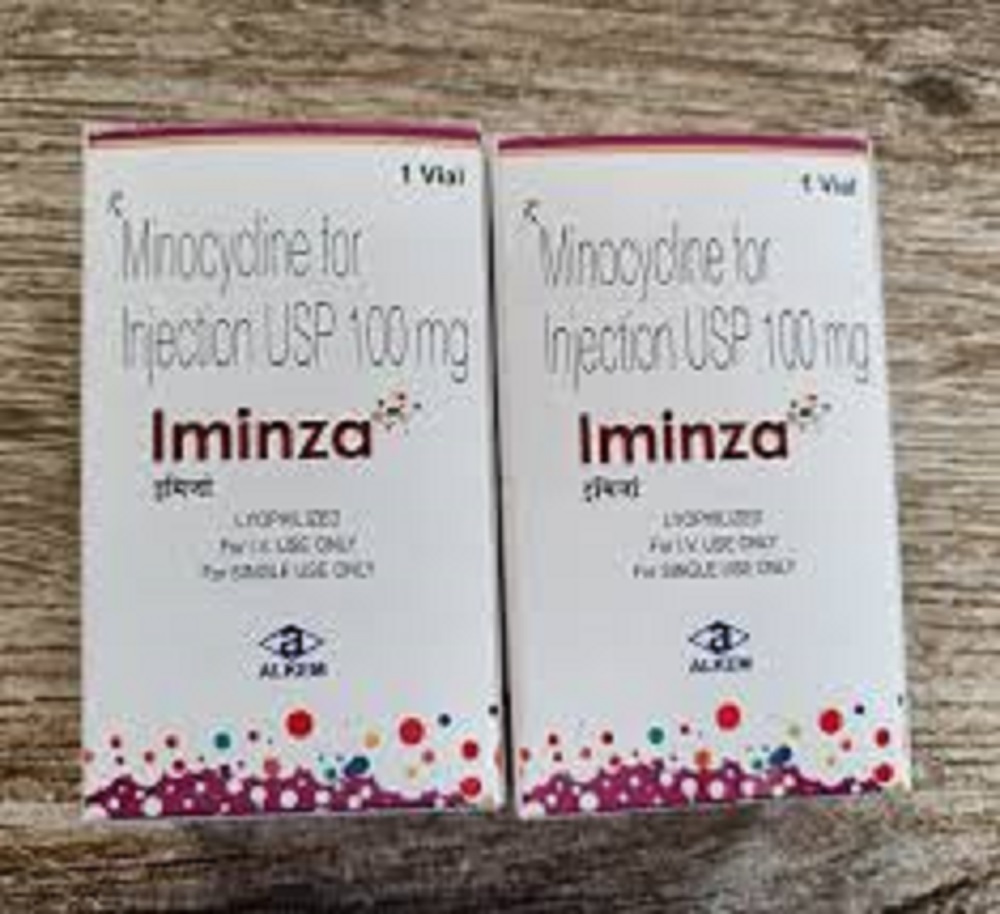
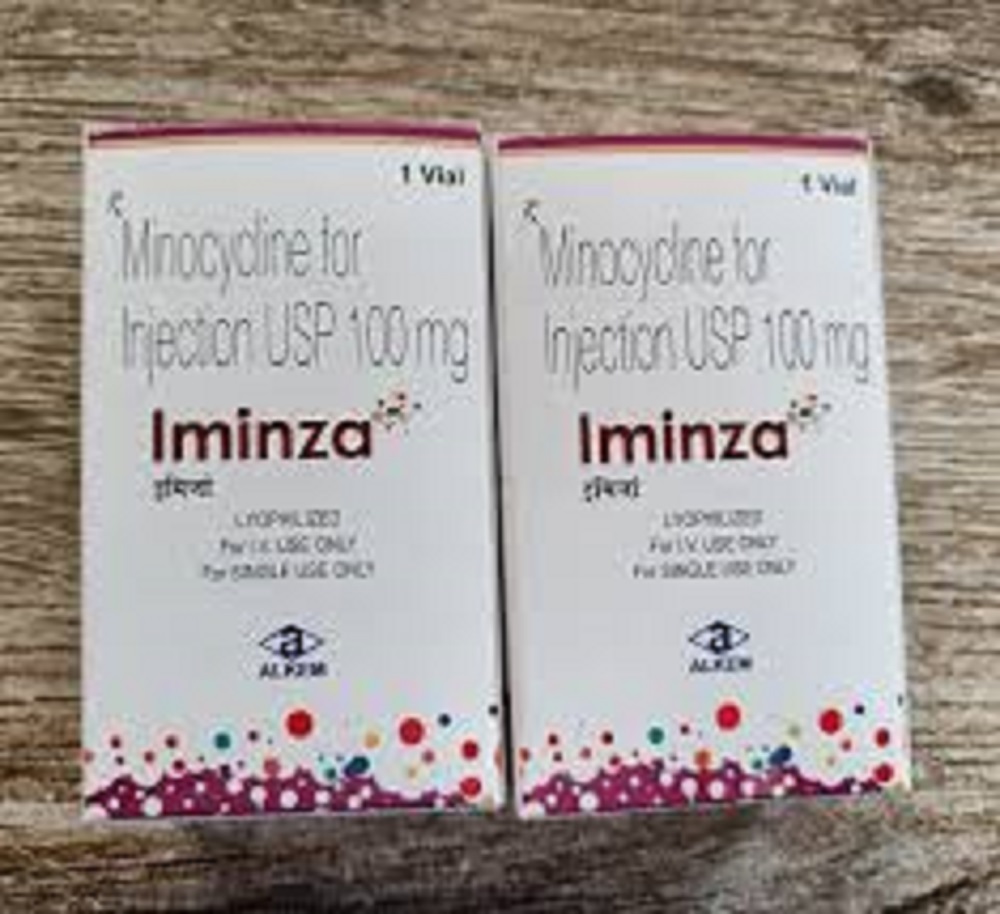
Product Description
Iminza 100mg Injection may also be used to treat many sexually transmitted diseases. It helps to improve your symptoms and cure the underlying infection. It is given as a drip (intravenous infusion) into a vein under the supervision of a doctor or a nurse. You should get the injection regularly at evenly spaced intervals. Do not skip any doses and finish the full course of treatment even if you feel better. Stopping the medicine too early may lead to the infection returning or worsening.
The most common side effects of this medicine include headache, dizziness, nausea, vomiting, diarrhea, and skin reaction on exposure to sunlight (photosensitivity). Avoid excessive sun exposure and use sunscreen and protective clothing when outdoors. Some people may develop temporary redness or pain at the site of injection. These side effects are usually mild but let your doctor know if they bother you or last more than a few days.
Before using it, you should tell your doctor if you are allergic to any antibiotics or have any liver or kidney problems. You should also let your doctor know all other medicines you are taking as they may affect, or be affected by this medicine. Pregnant and breastfeeding mothers should consult their doctor before using it. It may blur your vision or make you feel sleepy and dizzy. Do not drive if these symptoms occur.
Rapid Action Against Severe InfectionsIminza 100 Mg Injection is formulated to provide broad-spectrum antibiotic coverage for some of the most challenging infections encountered in hospital settings. It is effective against a wide range of bacteria, making it a crucial option for treating complicated or resistant cases.
Careful Dosing and AdministrationThe injectable powder requires reconstitution with a suitable diluent and should only be given intravenously by a healthcare professional. Dosage is determined by the prescribing physician based on the severity of infection and individual patient factors, particularly kidney function.
Safety and Storage ConsiderationsIminza 100 Mg Injection must be stored below 25C in a cool, dry place away from light. Patients with known hypersensitivity to imipenem, cilastatin, or other carbapenems should not use this medication. Use with caution in those with renal impairment, and always follow your doctor's advice regarding side effects or adverse reactions.
FAQ's of Iminza 100 Mg Injection:
Q: How should Iminza 100 Mg Injection be administered?
A: Iminza 100 Mg Injection is an injectable powder that must be reconstituted with an appropriate diluent before use. It should be administered intravenously by a healthcare professional following the physician's dosage instructions.
Q: What conditions is Iminza 100 Mg Injection recommended for?
A: This injection is indicated for the treatment of severe and complicated bacterial infections, including respiratory, urinary, intra-abdominal, gynecological, septicemia, and infections of the skin, bone, and joints.
Q: When is this medication typically used?
A: Iminza 100 Mg Injection is generally reserved for serious bacterial infections that are difficult to treat or do not respond to standard antibiotics. It is usually used in hospital settings under close medical supervision.
Q: What are the key ingredients in Iminza 100 Mg Injection?
A: Each vial contains 100 mg of imipenem and 100 mg of cilastatin, which work together to inhibit bacterial growth and protect imipenem from being degraded in the kidneys.
Q: What precautions should be taken before using Iminza 100 Mg Injection?
A: This medicine should not be used if you have a known allergy to imipenem, cilastatin, or other carbapenem antibiotics. Caution is advised in patients with impaired kidney function, and medical supervision is required throughout treatment.
Q: How should Iminza 100 Mg Injection be stored?
A: Store the vial in a cool, dry place below 25C and protect it from light. Do not use the product beyond its 24-month shelf life from the date of manufacture.
Q: What are possible side effects of Iminza 100 Mg Injection?
A: Common side effects may include nausea, vomiting, skin rash, diarrhea, and reactions at the injection site. Always report any unusual or severe symptoms to your healthcare provider promptly.