Product Description
Product introduction
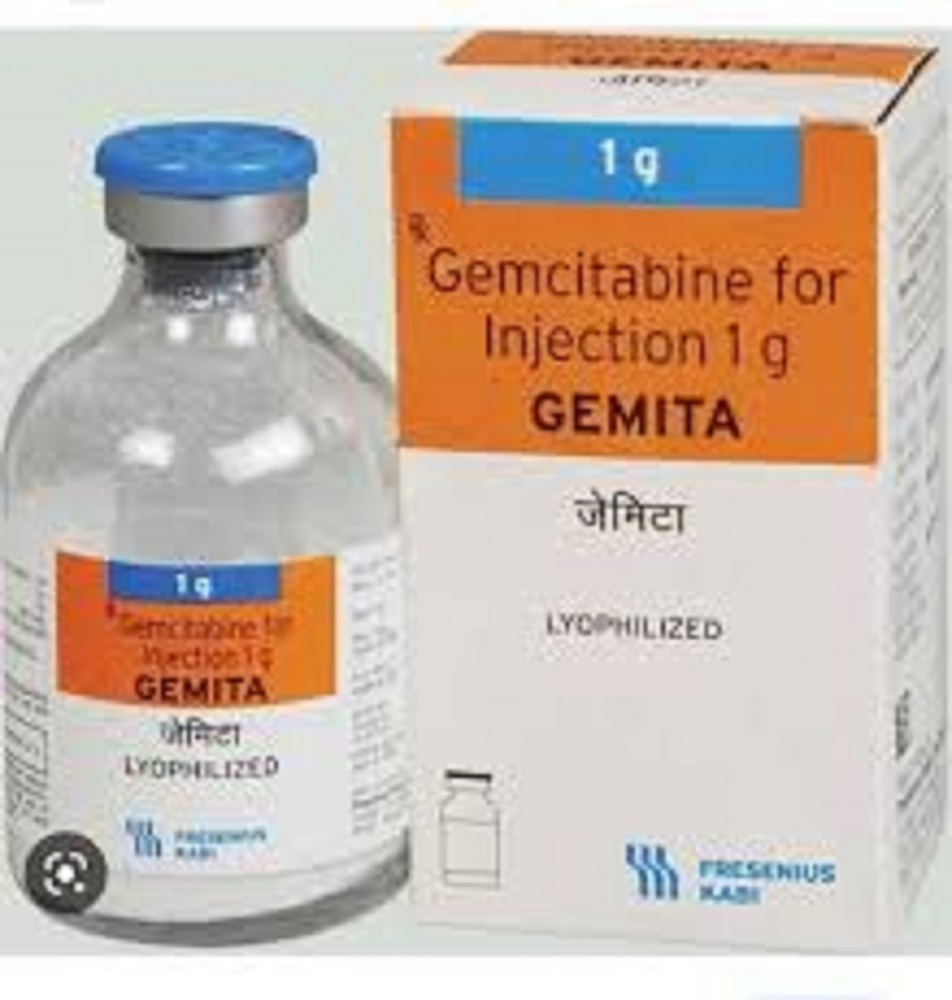
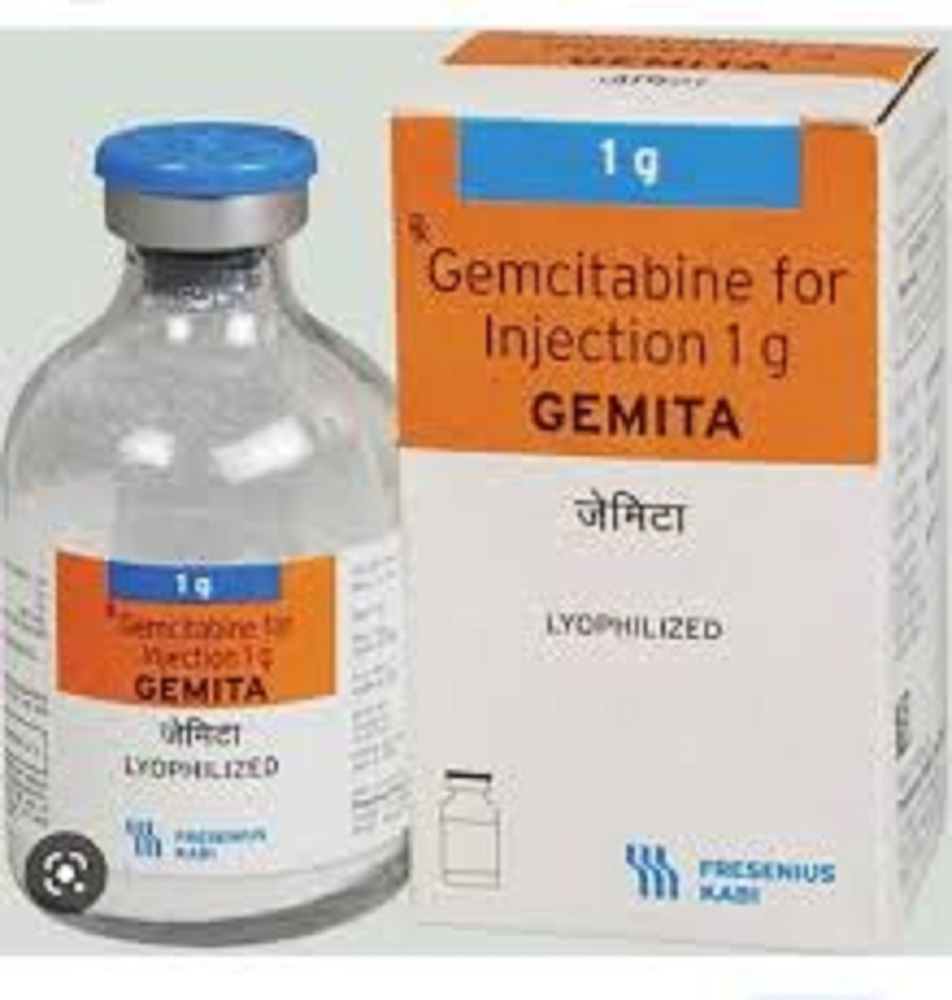
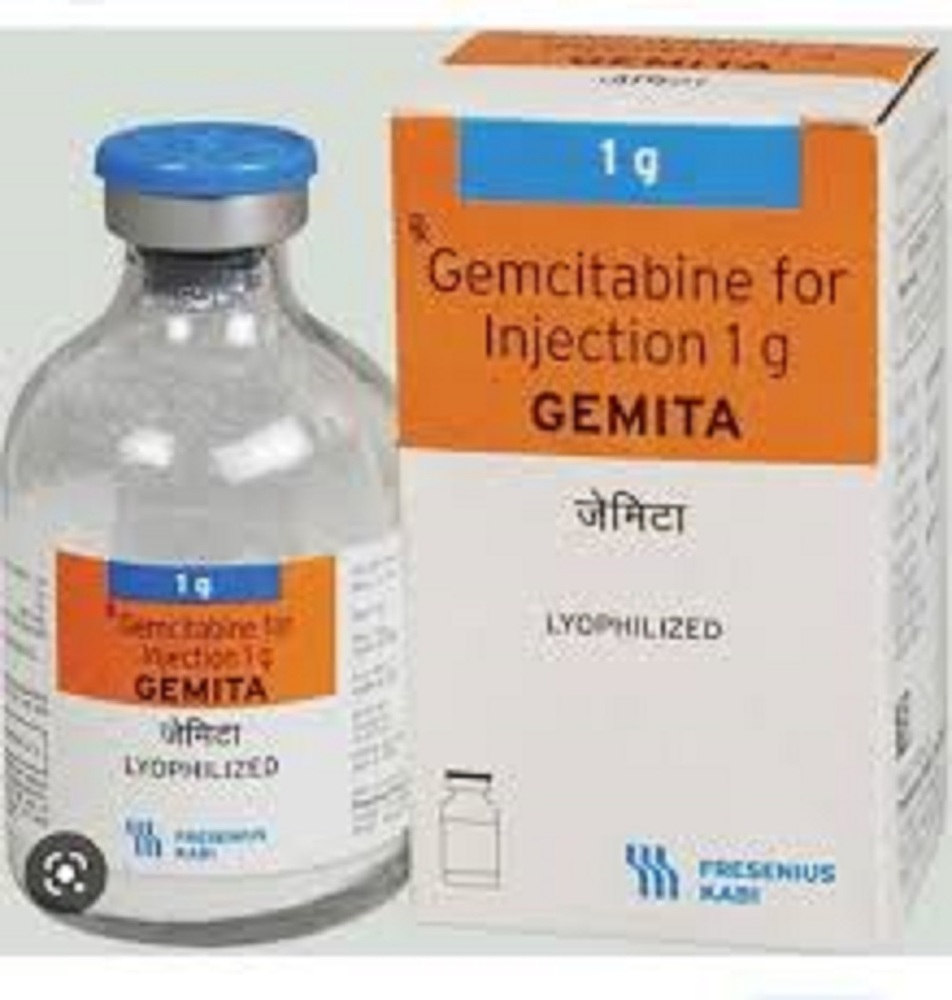
Gemita 1000mg/62.5mg Injection is a prescription medicine that is used in the treatment of cancer of non-small cell lung, breast, pancreas, urinary bladder, and ovaries. It prevents the growth and multiplication of cancer cells, thus helps in destroying the tumor.
Gemita 1000mg/62.5mg Injection injection is administered under the supervision of a healthcare professional. You are not advised to self administer this injection. Inform your doctor if you have any known allergy from this medication.
The common side effects of this medicine include nausea, vomiting, hair loss, low number of blood cells (anemia) and decreases in white blood cell count. The doctor may ask you to undergo a few blood tests before or during the treatment.
Your doctor may prescribe you to undergo blood tests before or during the treatment. You may be given supplements to overcome the deficiency caused by this medicine. It is advised to add more vegetables and fruits in your diet to overcome any such deficiency.
Inform your doctor if you are taking any other medicines or if you are pregnant. This medicine is unsafe to use this medicine in breastfeeding mothers. Also, inform your doctor if you are suffering from any disease. It is advised to avoid the intake of alcohol while taking this medicine. It is strictly advised not to drive or operate heavy machinery while you are on the treatment.
Comprehensive Cancer TherapyGemita 1gm Injection is indicated for the treatment of several major cancers, including pancreatic, non-small cell lung, breast, and ovarian cancer. By targeting rapidly dividing cells, this antimetabolite helps inhibit tumor growth, supporting improved clinical outcomes as part of oncological protocols. Its wide therapeutic benefits make Gemita a vital option within cancer treatment regimens.
Safe Reconstitution and AdministrationBefore administration, Gemita 1gm Injection should be reconstituted with sterile normal saline or sterile water for injection by a trained healthcare professional. The drug is administered intravenously, with strict handling precautions due to its cytotoxic nature - proper technique ensures safety for both patient and provider. Always follow guideline protocols for mixing and infusing this medication.
Storage and Handling GuidelinesTo maintain product integrity and safety, store Gemita 1gm Injection below 25C, protected from light, and out of reach of children. As a single-use, sterile vial, any unused solution must be discarded according to local cytotoxic waste protocols. Adhering to proper storage and handling instructions helps ensure therapeutic efficacy and reduces the risk of accidental exposure.
FAQ's of Gemita 1gm Injection:
Q: How should Gemita 1gm Injection be administered?
A: Gemita 1gm Injection must be administered intravenously by a healthcare professional following proper reconstitution with either sterile normal saline or sterile water for injection. It is important not to self-administer this medication.
Q: What are the primary indications for using Gemita 1gm Injection?
A: Gemita 1gm Injection is prescribed as an antineoplastic agent for treating various cancers, such as pancreatic, non-small cell lung, breast, and ovarian cancers.
Q: When is Gemita 1gm Injection contraindicated?
A: This medication should not be used in pregnant women or individuals who have known hypersensitivity to gemcitabine, due to potential serious health risks.
Q: What benefits does Gemita 1gm Injection offer in cancer treatment?
A: By interfering with cancer cell DNA synthesis, Gemita 1gm Injection helps inhibit tumor growth and proliferation, thereby improving treatment outcomes for several types of cancer.
Q: Where should Gemita 1gm Injection be stored?
A: Store the injection below 25C, away from light, and out of reach of children to preserve potency and avoid accidental contact.
Q: What precautions should be taken while handling Gemita 1gm Injection?
A: As it is a cytotoxic agent, always handle the vial with caution, avoiding skin and eye contact. Disposal of unused product and reconstitution materials must follow cytotoxic waste guidelines.