Product Description
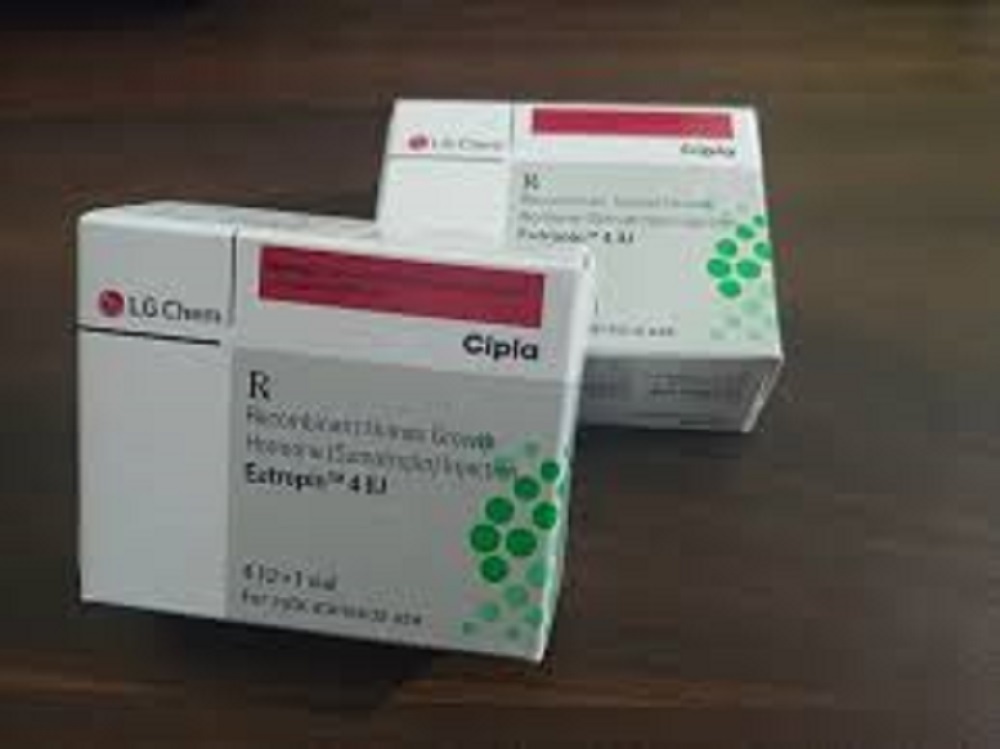
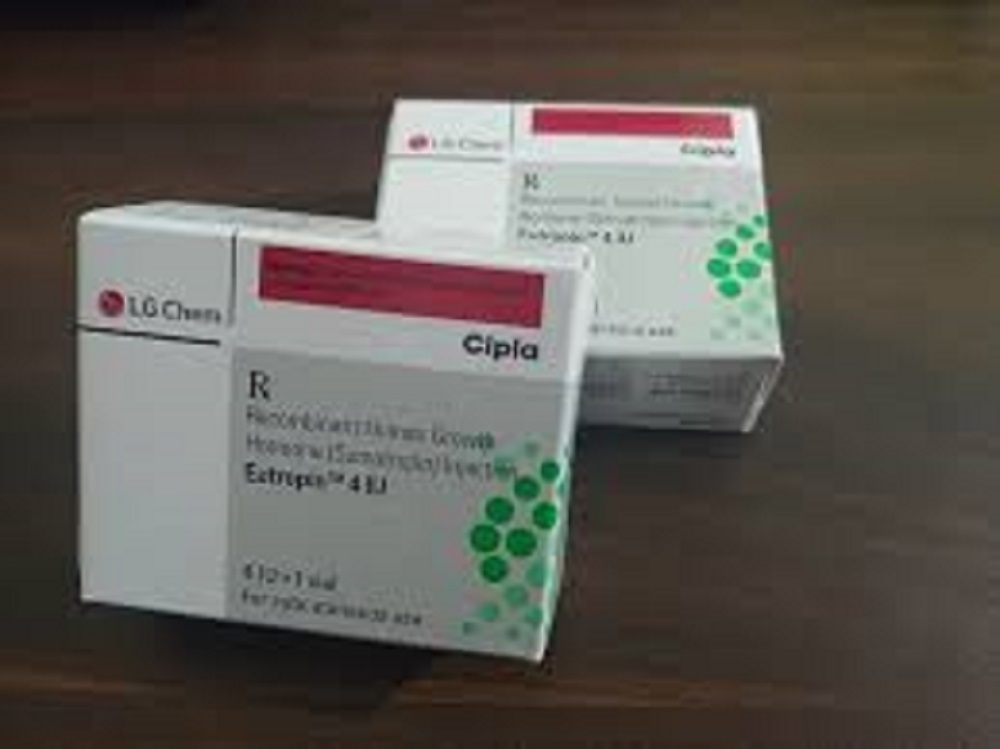
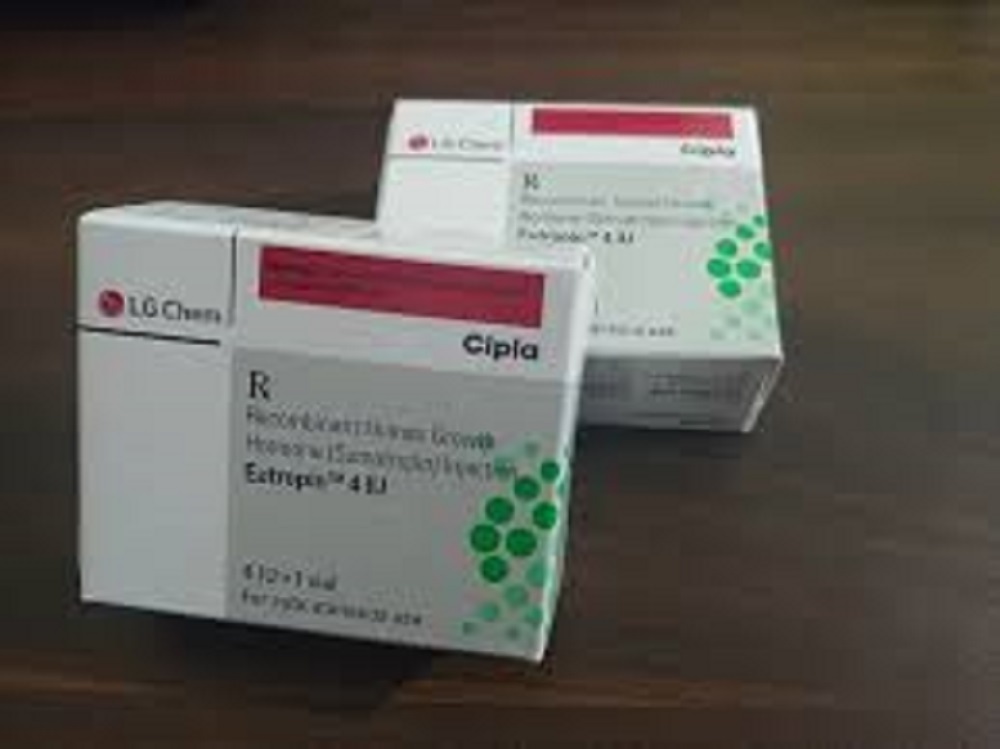
Eutropin 4IU Injection is given as an injection into the skin under the supervision of a doctor. Your doctor or nurse will help you to learn the exact method of self-administration. You should receive appropriate training and instructions from the physician before using it. The dose and how often you take it depends on what you are taking it for. You should take this medicine for as long as it is prescribed for you.
The most common side effects of this medicine include injection site reaction, headache, and rash. If these bother you or appear serious, let your doctor know. There may be ways of reducing or preventing them.
Before taking this medicine, tell your doctor if you have ever had diabetes, or have a thyroid disorder. Your doctor should also know about all other medicines you are taking as many of these may make this medicine less effective or change the way it works. Tell your doctor if you are pregnant, planning pregnancy or breastfeeding. You may be asked for regular monitoring of blood sugar levels, kidney function and level of growth hormone before and during the treatment.
How Does Eutropin Work?Eutropin contains somatropin, a recombinant human growth hormone that stimulates growth and cell regeneration. By mimicking the natural hormone produced in the body, it helps promote the growth of bones and tissues, supporting the treatment of growth hormone deficiency and related conditions.
Usage and Administration GuidelinesEutropin is administered by subcutaneous injection after reconstitution with the provided diluent. Dosage is individualized based on the patient's condition, age, and weight, as determined by a healthcare provider. Always follow your doctor's instructions precisely for safe and effective use.
Safety, Storage, and PrecautionsStore Eutropin in a refrigerator at 2-8C and protect from light. It should not be used in patients with active malignancy or those hypersensitive to somatropin or its excipients. Be aware of possible side effects such as headache, joint or muscle pain, and injection site reactions.
FAQ's of Eutropin Human Growth Hormone:
Q: What is Eutropin used for?
A: Eutropin is indicated for the treatment of growth hormone deficiency in children and adults, and for conditions like Turner syndrome or chronic renal insufficiency that lead to growth failure.
Q: How should Eutropin be administered?
A: Eutropin is administered via subcutaneous injection. The lyophilized powder must be reconstituted with the provided diluent before injection. Follow your healthcare provider's instructions on proper injection technique and dosing.
Q: When should I take Eutropin, and for how long?
A: Eutropin should be taken as prescribed by your healthcare provider, usually once daily. The duration and timing depend on your diagnosis, response to treatment, and clinical guidelines. Do not alter the schedule without consulting your physician.
Q: Where should Eutropin be stored?
A: Store Eutropin in its original packaging in a refrigerator at 2-8C. Protect it from light and do not freeze. Use the reconstituted solution within the period specified by your healthcare provider or the product leaflet.
Q: What are the possible side effects of Eutropin?
A: Possible side effects include headache, joint pain, muscle pain, and reactions at the injection site. In rare instances, hypersensitivity or serious adverse reactions may occur. Notify your healthcare provider if you experience unusual or severe symptoms.
Q: How is Eutropin beneficial for patients with growth hormone deficiency?
A: Eutropin stimulates cell growth, bone development, and tissue regeneration, which promotes normal growth in children and helps adults maintain healthy body composition. Its use under medical supervision addresses growth failure and aids in overall development.
Q: Who should not use Eutropin?
A: Eutropin should not be used by individuals with active malignancy, hypersensitivity to somatropin or any of its excipients, or in situations contraindicated by healthcare providers. Always discuss your medical history before starting therapy.