Product Description
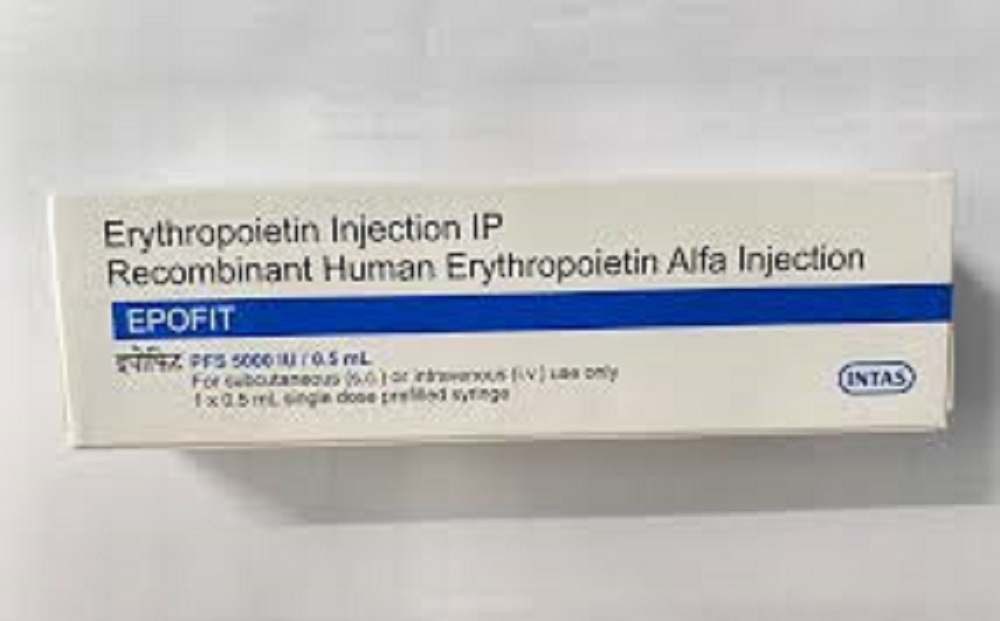
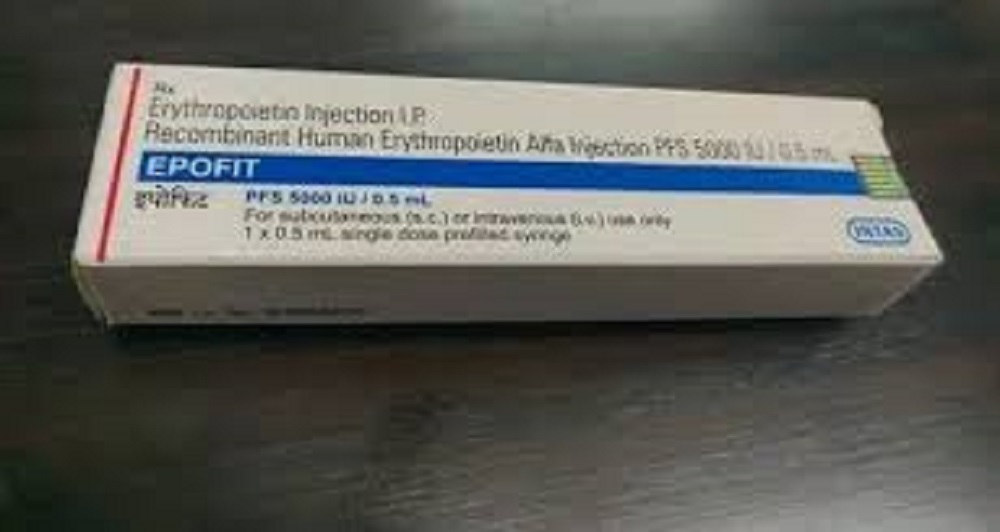
Epofit 5000IU Injection is given by injection either under the skin or into a vein, which will be decided by your doctor. Usually, the injections are given by a nurse or doctor. The dose depends on your body weight and the cause of your anemia. Iron supplements both before and during treatment may make this treatment more effective. Epofit 5000IU Injection needs to be stored in a fridge but used at room temperature.
The most common side effects of taking this medicine include nausea, vomiting, fever, and increased blood pressure. It may also cause flu-like symptoms such as headache, tiredness, dizziness, and aches and pains. These side effects are most common at the start of treatment, but if they persist, your doctor may be able to suggest ways of preventing or reducing them. Tell your doctor straight away if you get any serious side effects, including seizures (fits). Sometimes, this medicine can cause serious blood clots that need urgent medical attention.
Before using Epofit 5000IU Injection, you should tell your doctor if you have uncontrolled high blood pressure, heart disease, or gout (a disease of joint pain). You should also tell him/her what other medicines you are taking in case they affect this treatment. Your blood pressure should be checked often during this treatment by you or your doctor. You may also need other regular medical tests to be sure this medicine is not causing harmful effects. It is not known whether this medicine will harm an unborn baby. Tell your doctor if you are pregnant, plan to become pregnant, or are breastfeeding.
Strengthens Red Blood Cell ProductionEpofit Erythropoietin 5000 IU Injection stimulates erythropoiesis, the process by which new red blood cells are produced. This helps reduce symptoms of anemia and enhances oxygen delivery throughout the body, improving patients' energy and overall well-being during chronic illness or treatment.
Clinically Approved for Specific Anemia CasesThis injectable therapeutic agent is recommended for treating anemia in chronic kidney disease, patients undergoing cancer chemotherapy, and HIV-infected individuals using zidovudine. It is administered either intravenously or subcutaneously in hospital or clinical settings, ensuring professional supervision and safety.
Safe Use and Handling GuidelinesEpofit should be stored in a refrigerator (2C - 8C) and never frozen. Each vial contains a single dose (5000 IU) and should only be used by adults or children under a physician's direction. It is suitable for a wide range of patients but contraindicated in those with uncontrolled hypertension or hypersensitivity to erythropoietin.
FAQ's of Epofit Erythropoietin 5000 Iu Injection:
Q: How is Epofit Erythropoietin 5000 IU Injection administered?
A: Epofit should be administered by healthcare professionals via subcutaneous or intravenous injection, depending on the patient's condition and physician's instructions.
Q: What are the primary indications for using Epofit?
A: Epofit is prescribed for the treatment of anemia due to chronic kidney disease, as a result of cancer chemotherapy, or in HIV-infected patients on zidovudine therapy.
Q: When should Epofit be avoided?
A: Epofit should not be used in patients with uncontrolled hypertension or those known to have hypersensitivity to erythropoietin or any component of the formulation.
Q: Where should Epofit injection be stored before use?
A: The injection must be stored in a refrigerator at temperatures between 2C and 8C and should not be frozen.
Q: What is the process for using Epofit injection safely?
A: Always use Epofit under medical supervision, following the exact dosage and administration guidelines prescribed by your physician. Monitor for potential side effects and report any unusual symptoms.
Q: What are the possible side effects of Epofit?
A: Some patients may experience hypertension, headache, injection site reactions, or flu-like symptoms. Consult your doctor if any persistent or severe effects occur.
Q: What benefits can patients expect from Epofit therapy?
A: Epofit can enhance red blood cell production, helping to alleviate anemia, reduce fatigue, and improve overall quality of life in eligible patients.