Product Description
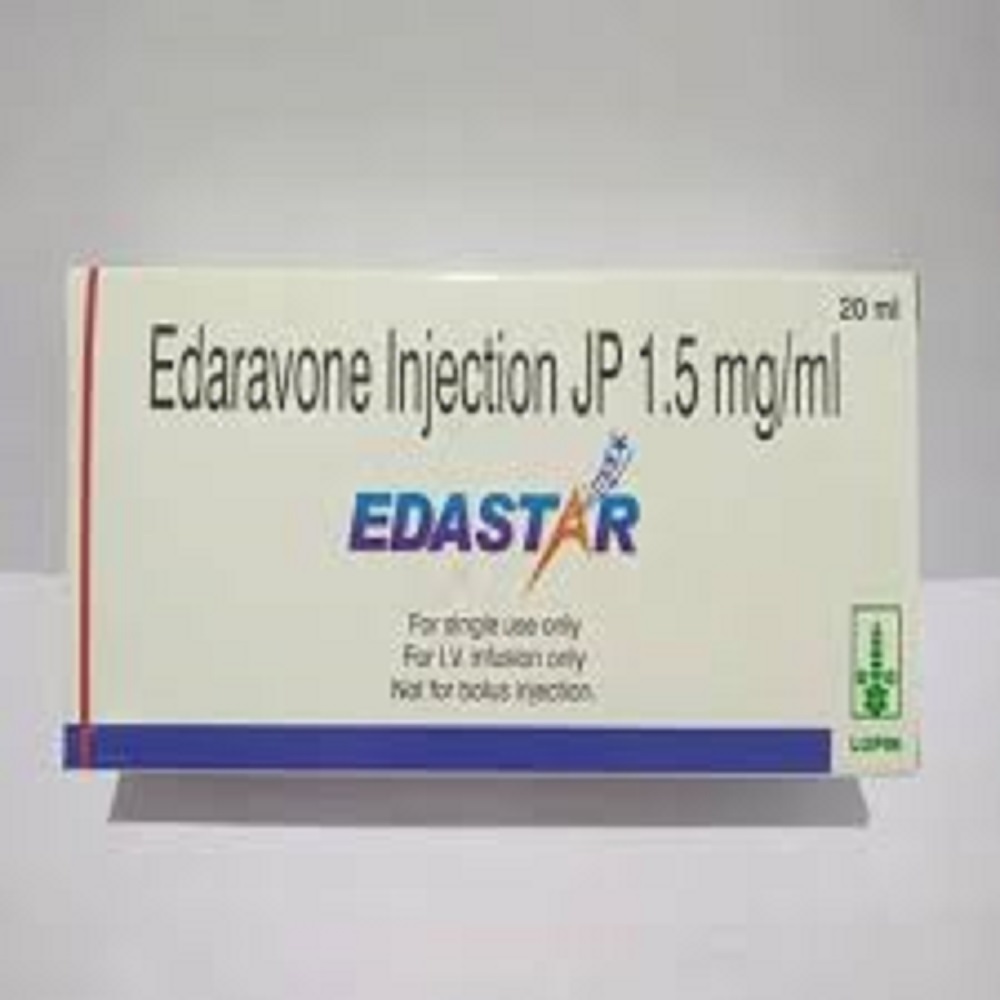
Edastar Injection is administered as an injection under the supervision of a doctor or a nurse and should not be self-administered. It is given in cases where oral administration is not possible. Make sure to receive all dosages and follow all your doctors instructions for maximum benefits.
The most common side effects of this medicine are headache, bruising, and walking difficulties (gait disturbance). You may also notice some injection site reactions such as pain, redness, or swelling. However, these are temporary and usually resolve on their own. Please consult your doctor if these do not subside.
You should inform the doctor if you develop any allergic reactions, like itching or swelling of the lips, tongue, or face, after taking the medication, as these require immediate medical attention. Pregnant and breastfeeding women should consult their doctors before taking this medicine to make sure it is safe for them.
How Edastar Injection WorksEdastar acts as a neuroprotective agent, primarily used in the treatment of acute ischemic stroke. By reducing oxidative stress in nerve cells, it helps limit damage after a stroke and promotes the recovery of neurological function. This therapy is initiated in a hospital environment where patients are closely monitored for optimal results and safety.
When and Where Should Edastar Be Used?Edastar 1.5 Mg Injection is indicated for adults experiencing acute ischemic strokes. Its use is restricted to hospital settings under specialist supervision, given its critical application and the need for medical monitoring. This prescription drug should never be used without a doctor's direction or outside the hospital environment.
Usage Process and Dosage GuidelinesAdministered intravenously, Edastar is supplied in a single-use vial. The dosage and frequency (usually once daily or as advised) are determined by the treating physician based on the patient's condition. Children should only receive this medication if explicitly prescribed. It is vital to adhere strictly to the healthcare provider's instructions for safe and effective treatment.
FAQ's of Edastar 1.5 Mg Injection:
Q: How should Edastar 1.5 Mg Injection be administered?
A: Edastar 1.5 Mg Injection is given intravenously in a hospital or clinical setting by trained healthcare professionals. The injection is prepared and administered according to the specific dosage prescribed by the physician.
Q: What is Edastar used for?
A: Edastar is primarily used to treat acute ischemic stroke. It helps improve neurological symptoms and function by protecting nerve cells from damage caused by reduced blood flow to the brain.
Q: When is the recommended time for administering Edastar?
A: Edastar is administered to patients shortly after the onset of an acute ischemic stroke, as early intervention maximizes its neuroprotective benefits. The exact timing and frequency are determined by the attending physician.
Q: Where should Edastar be stored?
A: The injection should be stored below 25C and protected from direct light. It is important to keep it out of reach of unauthorized persons and only within hospital or specialized medical environments.
Q: What is the process for receiving Edastar therapy?
A: After a diagnosis of acute ischemic stroke, a doctor will evaluate the patient's suitability for Edastar therapy. If prescribed, it is administered intravenously under strict medical supervision, and the patient is monitored throughout the process.
Q: What are the common side effects of Edastar?
A: Some users may experience rash, abnormal liver function, headache, or fever. Any unusual reactions should be reported to the treating physician promptly for assessment.
Q: What are the main benefits of using Edastar?
A: Edastar helps in reducing nerve cell damage following an acute ischemic stroke, thereby supporting improved recovery of neurological functions and reducing the risk of lasting disability.