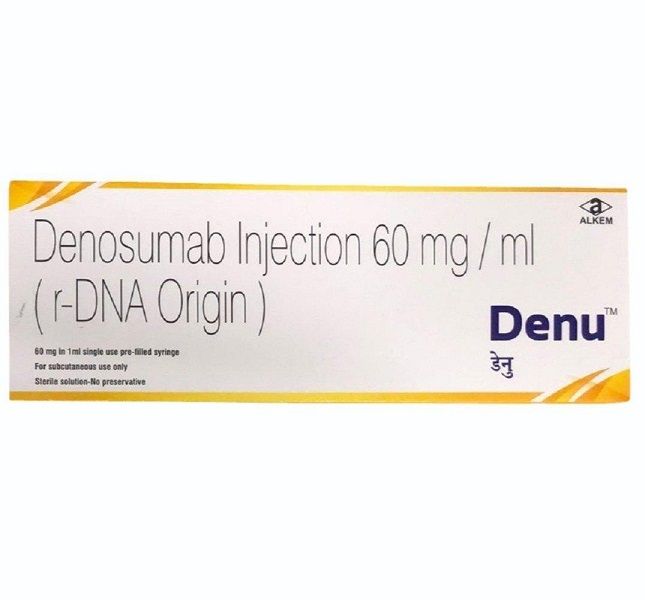
Product Description
Product introduction
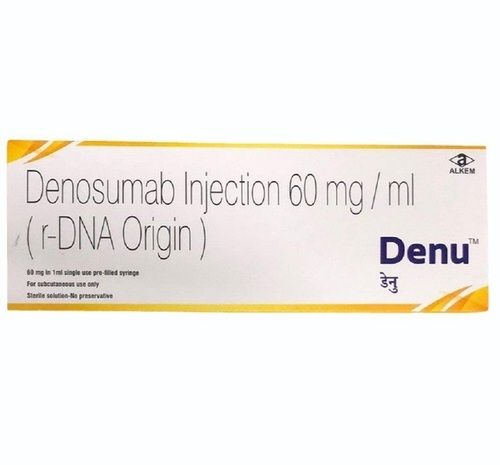
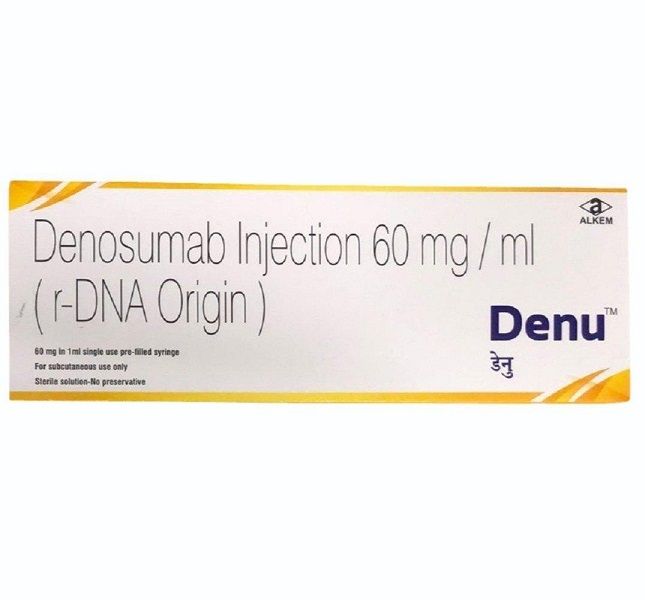
Denu Injection is a medicine used in the treatment of osteoporosis in postmenopausal women and in men at increased risk of fractures. It makes the bones strong and reduce the risk of fractures.
Denu Injection is given by a healthcare professional and should not be self-administered. You should use it regularly and at the same time each day to get maximum benefit from it. Continue using it as recommended by your doctor and complete the dose even if you feel better. To make it more effective, take adequate amount of calcium and vitamin D supplements while on treatment with this medicine.
Some common side effects of this medicine include headache, pain in extremity, musculoskeletal pain, nerve pain, constipation, and rash. Talk to your doctor if any of these side effects does not go away with time or get worse. Your doctor may help with ways to reduce or prevent these symptoms.
To make sure the medicine is safe for you, before taking it, let your doctor know of all the other medicines you are taking. It is important for pregnant and breastfeeding mothers to ask the advice of their doctors before using this medicine.
Uses of Denu Injection
Side effects of Denu Injection
Most side effects do not require any medical attention and disappear as your body adjusts to the medicine. Consult your doctor if they persist or if youre worried about them
Advanced Treatment for Bone HealthDenu Denosumab 60 mg Injection is specially developed to prevent skeletal-related events and manage osteoporosis or bone complications in adults and elderly patients. Its biotechnology-derived formulation effectively inhibits bone resorption, reducing the risk of fractures and complications in patients with bone metastases or severe bone diseases.
Rigorous Safety and AdministrationTo maximize safety and effectiveness, Denu must be administered subcutaneously by a qualified healthcare provider. Strict handling instructions, including refrigeration and protection from light, must be followed. Patients are advised against shaking the solution and should ensure any unused portion is properly discarded after dosing.
FAQ's of Denu Denosumab 60 Mg Injection:
Q: How is Denu Denosumab 60 mg Injection administered?
A: Denu Denosumab 60 mg Injection is administered by subcutaneous injection, usually in the upper arm, thigh, or abdomen. It must be given by a qualified healthcare provider to ensure correct dosing and safety.
Q: What conditions can Denu Denosumab 60 mg Injection treat?
A: This medication is used for the prevention of skeletal-related events in patients with bone metastases from solid tumors and for the treatment of osteoporosis in postmenopausal women and men at increased risk of fractures.
Q: When should Denu Denosumab be given, and how often is the dosage?
A: The recommended dosage is 60 mg as a subcutaneous injection every six months, or as directed by your physician. Dosage intervals should be strictly followed for optimal results.
Q: Where should Denu Denosumab 60 mg Injection be stored before use?
A: It should be stored in a refrigerator at 2C to 8C. The solution must be kept away from light, never frozen, and should not be shaken. Any unused portion should be discarded according to guidelines.
Q: What are some possible side effects of Denu Denosumab?
A: Possible side effects include hypocalcemia, infections, dermatologic reactions, and musculoskeletal pain. Inform your healthcare provider immediately if you notice symptoms suggesting these reactions.
Q: Who should avoid using Denu Denosumab 60 mg Injection?
A: Patients with existing hypocalcemia or known hypersensitivity to denosumab or any of its excipients must not use this medication. Only adults and elderly patients should use Denu, following a doctor's prescription.
Q: What are the benefits of using Denu Denosumab for bone-related conditions?
A: Denu Denosumab helps reduce the risk of bone fractures and skeletal complications in patients with osteoporosis and those suffering from bone metastases due to solid tumors, thereby improving bone strength and quality of life.