Product Description
Product introduction
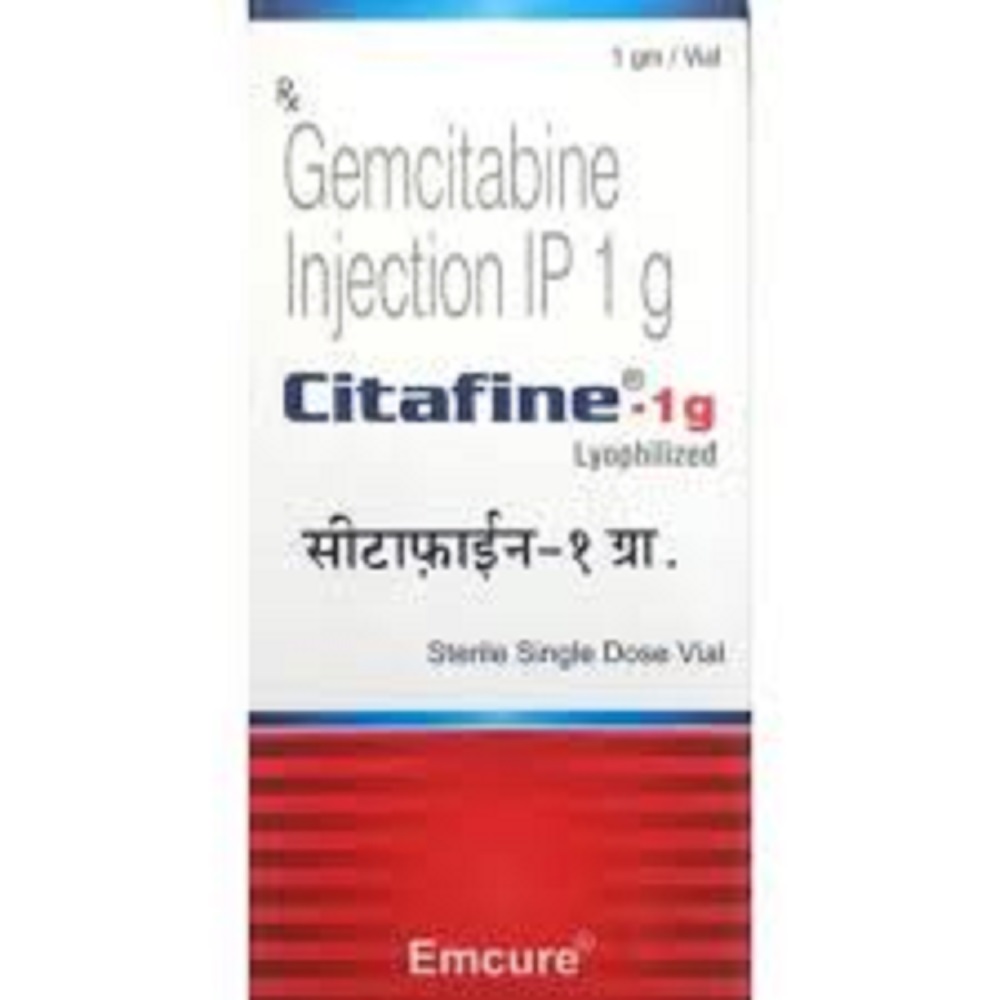
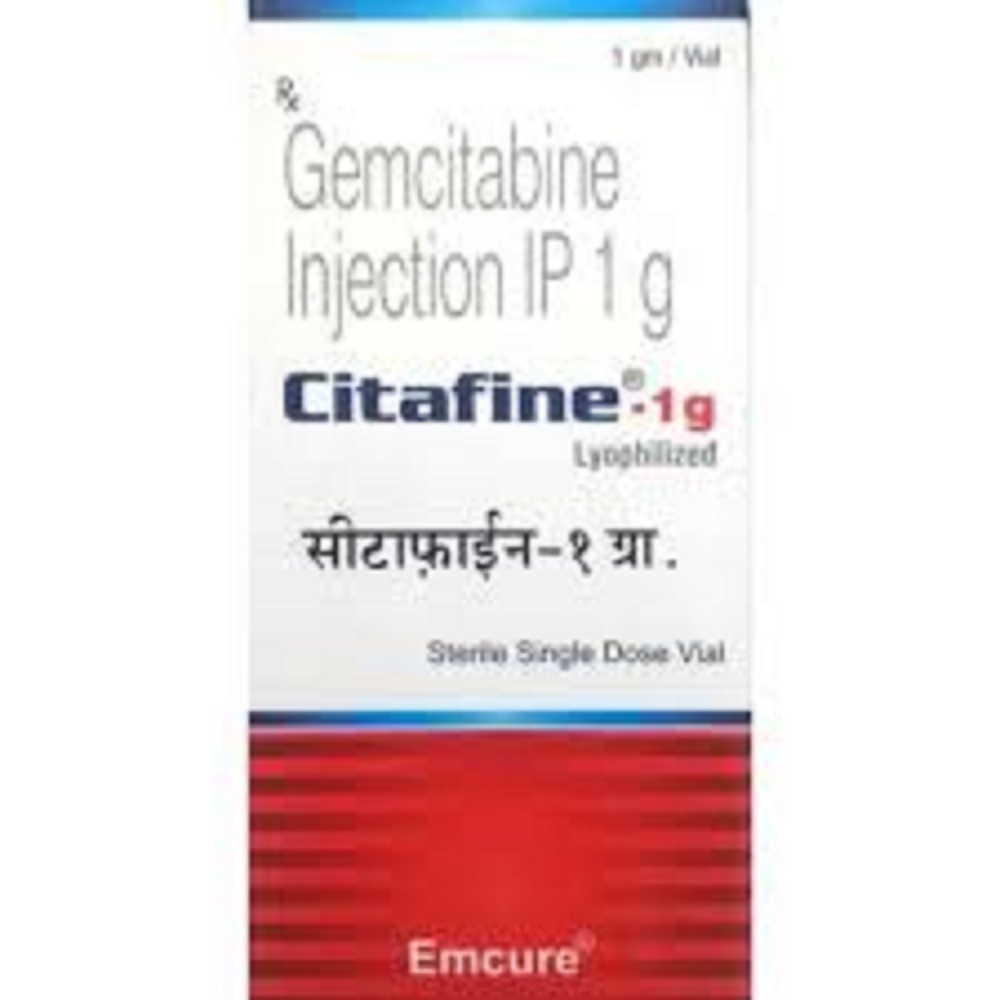
Citafine 1gm Injection is used in the treatment of non-small cell lung cancer, breast cancer, pancreatic cancer, urinary bladder cancer, and ovarian cancer.
Citafine 1gm Injection is given as an injection by a qualified medical professional. Your doctor will decide what dose is necessary and how often you need to take it. This will depend on what you are being treated for and may change from time to time. You should take it exactly as your doctor has advised. Taking it in the wrong way or taking too much can cause very serious side effects. It may take several weeks or months for you to see or feel the benefits but do not stop taking it unless your doctor tells you to.
The most common side effects of this medicine include nausea, vomiting, loss of appetite, hair loss and low blood platelets. This medicine may reduce the number of blood cells (decrease red blood and white blood cells) in your blood, thereby, increasing the susceptibility to infections. Regular blood tests are required to check your blood cells along with heart, liver, and blood uric acid levels.
Before taking it, tell your doctor if you have heart disease, liver, or kidney problems or are taking any medicines to treat infections. Many other medicines can affect, or be affected by, this medicine so let your doctor know all medications you are using. This medicine is not recommended during pregnancy or while breastfeeding. The use of effective contraception by both males and females during treatment is important to avoid pregnancy.
Effective Antibacterial TreatmentCitafine 1 G Injection is formulated to tackle a wide range of severe bacterial infections. As a third-generation cephalosporin, it delivers robust efficacy against susceptible organisms. Its neutral pH and sterile preparation make it suitable for intravenous or intramuscular administration, ensuring reliable results in clinical settings requiring prescription-only medication.
User-Friendly Dosage and AdministrationProvided in a single-dose vial, Citafine ensures precise dosage for adults and children, as prescribed by a medical professional. Reconstitution with sterile water is necessary prior to use. The packaging, made of glass with an aluminum seal and rubber stopper, ensures product sterility, stability, and easy handling in hospitals or clinics.
FAQ's of Citafine 1 G Injection:
Q: How should Citafine 1 G Injection be administered?
A: Citafine 1 G Injection must be reconstituted with sterile water and administered either intravenously or intramuscularly by a qualified healthcare professional according to the recommended guidelines.
Q: What is the main therapeutic benefit of Citafine 1 G Injection?
A: The primary benefit is its effectiveness in treating severe bacterial infections, thanks to its third-generation cephalosporin composition (Ceftriaxone Sodium), delivering broad-spectrum antibacterial coverage.
Q: When is Citafine 1 G Injection indicated for use?
A: It is prescribed for the management of serious bacterial infections where potent, broad-spectrum antibiotic therapy is warranted, as decided by a healthcare provider.
Q: Where should Citafine 1 G Injection be stored before administration?
A: Store Citafine 1 G Injection below 25C, protected from light, to maintain its efficacy and sterility until use.
Q: What is the process for preparing Citafine 1 G Injection before use?
A: To prepare Citafine 1 G Injection, reconstitute the white to off-white crystalline powder in the vial with sterile water following the instructions given by the healthcare professional or manufacturer.
Q: Who should avoid using Citafine 1 G Injection?
A: Citafine should not be used in individuals with known hypersensitivity to cephalosporins, and only be administered under medical supervision.
Q: What is the shelf life of Citafine 1 G Injection and how is it packaged?
A: Citafine 1 G Injection has a shelf life of 24 months and comes in a sterile glass vial with an aluminum seal and rubber stopper, designed for single dose usage.