Product Description
Capegard 500 Tablet should be taken with food within 30 minutes after eating a meal. Your doctor will decide what dose is necessary and how often you need to take it. This will depend on what you are being treated for and may change from time to time. You should take it exactly as your doctor has advised. Taking it in the wrong way or taking too much can cause very serious side effects. It may take several weeks or months for you to see or feel the benefits but do not stop taking it unless your doctor tells you to.
The most common side effects of this medicine include vomiting, weakness, nausea, abdominal pain, and diarrhea. This medicine may reduce the number of blood cells (decrease white blood cells) in your blood, thereby, increasing the susceptibility to infections. Regular blood tests are required to check your blood cells along with heart, liver, and blood uric acid levels.
Before taking it, tell your doctor if you have liver, or kidney problems or are taking any medicines to treat infections. Many other medicines can affect, or be affected by, this medicine so let your doctor know all medications you are using. This medicine is not recommended during pregnancy or while breastfeeding. The use of effective contraception by both males and females during treatment is important to avoid pregnancy.
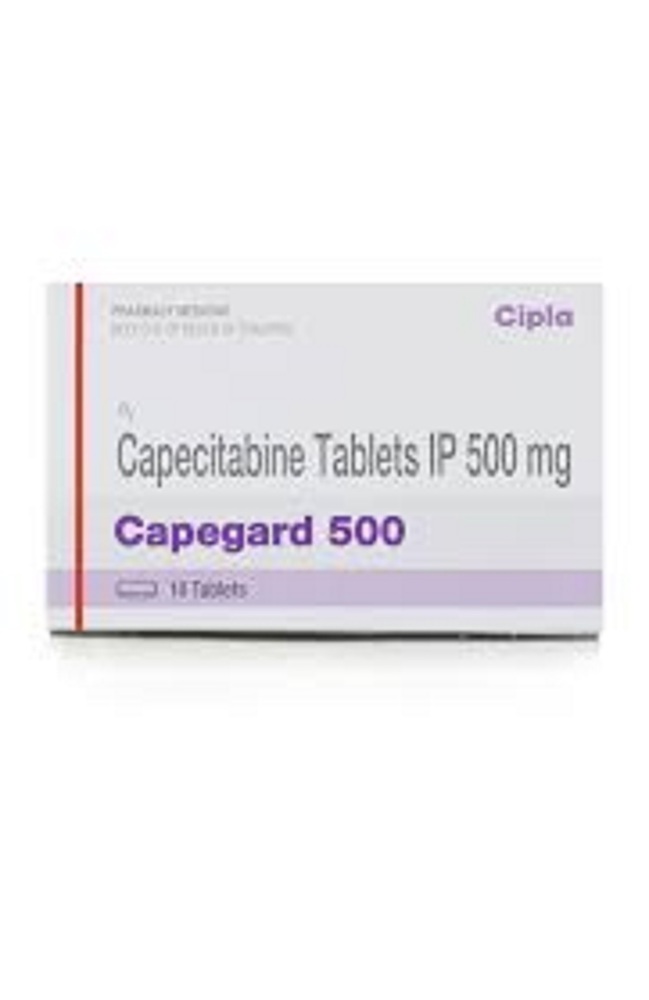
Effective Oral ChemotherapyCapegard Capecitabine 500 mg is a trusted oral chemotherapy option for adults suffering from colorectal and metastatic breast cancer. Its active ingredient, capecitabine, is well-established in helping to halt cancer cell growth and spread. Administered after meals for optimal absorption, Capegard 500 is designed for convenience and efficacy under your physician's supervision. Regular use can significantly improve treatment outcomes for suitable patients.
Usage and Dosage InstructionsCapegard Capecitabine should be taken exactly as prescribed by your healthcare provider. Always take the tablets with water after meals to reduce the likelihood of stomach upset. Do not alter the dosage on your own-consult your physician for any required adjustments based on your response or any side effects experienced. Each strip contains 10 tablets, and the medication remains stable when stored below 30C in a dry location.
Safety, Storage, and Side EffectsThis prescription medicine must be kept out of reach of children and stored below 30C in a cool, dry place. Capegard 500 is generally well-tolerated, but some users may experience side effects like nausea, diarrhea, hand-foot syndrome, or fatigue. If you notice any severe reactions or have concerns about side effects, inform your healthcare provider promptly. Always complete the prescribed course unless advised otherwise by your doctor.
FAQ's of Capegard Capecitabine 500 Mg Tablets:
Q: How should I take Capegard Capecitabine 500 mg tablets?
A: Capegard 500 mg tablets should be taken orally with water, after meals, as directed by your physician. It is important not to skip or alter your dosage unless advised by your doctor.
Q: What is Capegard Capecitabine 500 mg used for?
A: Capegard Capecitabine 500 mg is primarily used for the treatment of colorectal and metastatic breast cancer in adults. It helps inhibit the growth of cancer cells as part of prescribed chemotherapy regimens.
Q: When is the best time to take Capegard Capecitabine 500 mg?
A: Capegard 500 should be taken after meals to minimize stomach upset and improve absorption. Follow your healthcare provider's instructions regarding timing and frequency.
Q: Where should I store Capegard 500 mg tablets?
A: Store Capegard Capecitabine tablets in a cool, dry place below 30C, away from moisture and direct sunlight. Keep the medication out of reach of children.
Q: What are the possible side effects of Capegard Capecitabine?
A: Common side effects include nausea, diarrhea, fatigue, and hand-foot syndrome (redness or swelling of hands and feet). If you experience severe or persistent side effects, contact your physician immediately.
Q: How does Capegard Capecitabine 500 mg benefit patients?
A: Capegard 500 mg helps target and prevent the growth of cancer cells in patients with colorectal or metastatic breast cancer, potentially improving survival and reducing symptoms when used as directed in a treatment plan.
Q: What should I do if I miss a dose of Capegard 500 mg?
A: If you miss a dose, take it as soon as you remember unless it is almost time for your next dose. Do not double up to compensate. Inform your doctor of any missed doses for further guidance.