Product Description
Afanat 40 Tablet should be taken on an empty stomach, but try to have it at the same time every day to get the most benefits. Your doctor will decide what dose is necessary and how often you need to take it. This will depend on what you are being treated for and may change from time to time. You should take it exactly as your doctor has advised. Taking it in the wrong way or taking too much can cause very serious side effects. It may take several weeks or months for you to see or feel the benefits but do not stop taking it unless your doctor tells you to.
The most common side effects of this medicine include diarrhea, rash, dry skin, and nausea. Diarrhea can be serious sometimes so take medicine to treat it as prescribed by the doctor or stay hydrated. Your doctor may advise for some blood tests while you are taking this medicine. It may also make your skin sensitive to the sun, so use sunscreen and wear protective clothing if you have to be in sunlight. Inform your doctor if you notice pain or redness in the eye or dry eye.
Before taking it, tell your doctor if have a breathing problem, liver, or kidney problems, or are taking any medicines to treat infections. Many other medicines can affect, or be affected by, this medicine so let your healthcare team know all medications you are using. This medicine is not recommended during pregnancy or while breastfeeding. The use of effective contraception by females during treatment is important to avoid pregnancy.
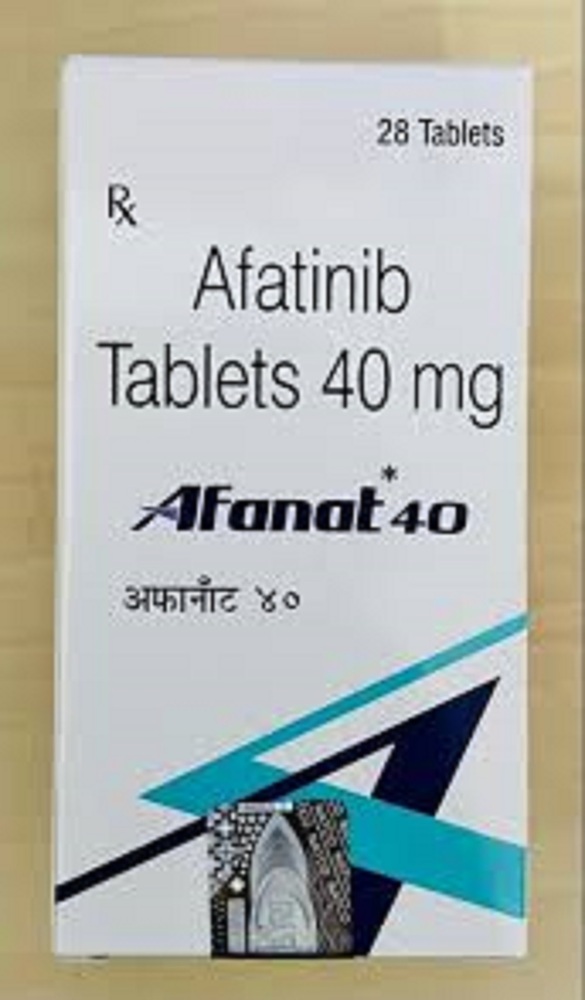
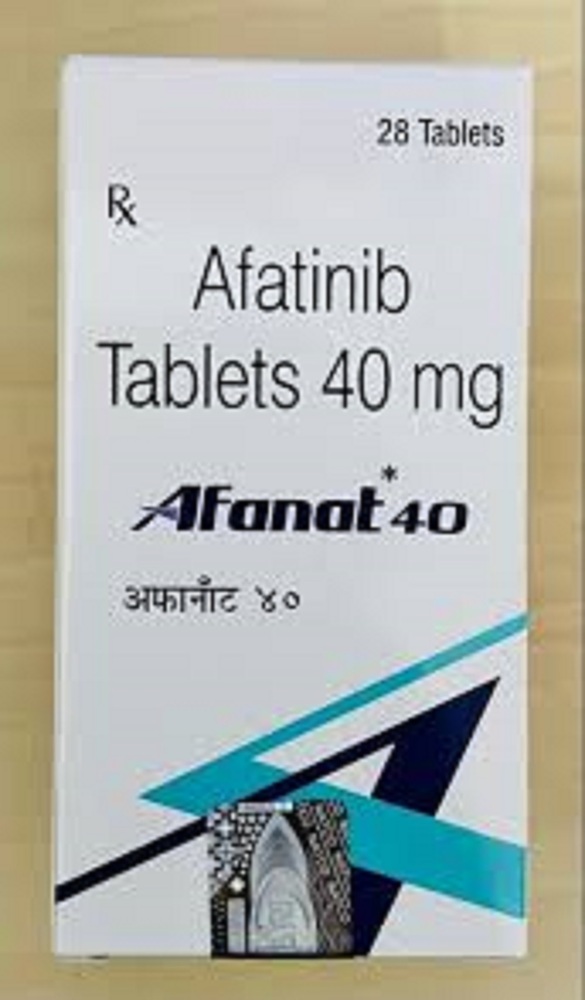
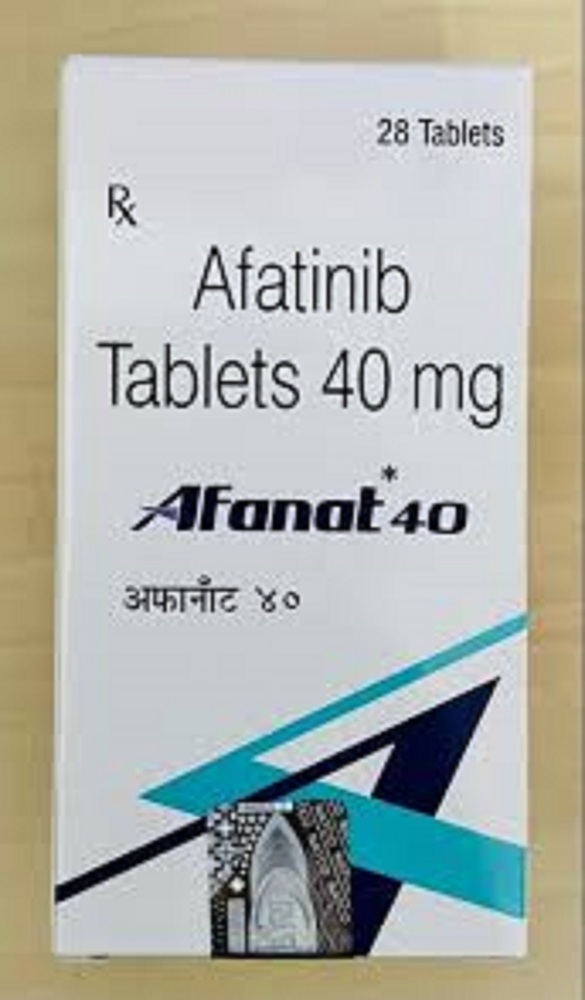
What is Afanat 40 Mg Tablet used for?Afanat 40 mg Tablet is an antineoplastic agent primarily prescribed for the treatment of adults with advanced or metastatic non-small cell lung cancer (NSCLC) that is positive for specific EGFR mutations. As a targeted therapy, it inhibits the growth of cancer cells, offering a tailored treatment option for eligible patients.
How should Afanat 40 Mg Tablets be administered?Afanat 40 mg Tablets are intended for oral use and should be taken once daily or as prescribed by your oncologist. Swallow the tablet whole with water, without crushing or chewing. Consistent daily administration helps maintain appropriate drug levels in the body for optimal efficacy.
What precautions are associated with Afanat?Afanat is a prescription-only therapy and comes with important warnings. It should not be used during pregnancy or lactation without strict medical oversight. You should inform your healthcare provider of any medical conditions or medications before starting therapy to manage possible interactions or side effects.
FAQ's of Afanat 40 Mg Tablets:
Q: How does Afanat 40 Mg Tablet work to treat NSCLC?
A: Afanat 40 mg Tablet contains Afatinib Dimaleate, which acts as an EGFR inhibitor. It blocks the signals that promote the growth and spread of cancerous cells in patients with EGFR mutation-positive non-small cell lung cancer, slowing disease progression.
Q: What are the common side effects of Afanat 40 Mg Tablets?
A: Common side effects may include diarrhea, skin rash, mouth sores (stomatitis), inflammation around the nails (paronychia), and decreased appetite. It's important to monitor for these effects and notify your doctor if you experience any troublesome symptoms.
Q: When should Afanat 40 Mg Tablet be taken?
A: Afanat 40 mg Tablet is typically taken once daily, at the same time each day, as directed by your oncologist. It can be taken with or without food but should be consistently administered in the same manner each time.
Q: Where should Afanat 40 Mg Tablets be stored?
A: Store Afanat Tablets below 30C in a dry place, protected from light and moisture. Always keep the medicine out of reach of children and use it before the expiry date indicated on the packaging.
Q: What are the benefits of using Afanat in NSCLC patients?
A: Afanat offers a targeted approach in the management of advanced or metastatic NSCLC by specifically inhibiting cancer cells with EGFR mutations. This tailored therapy can help improve symptoms, slow progression, and potentially enhance quality of life in suitable patients.
Q: Who should avoid taking Afanat 40 Mg Tablets?
A: Afanat should not be used during pregnancy or breastfeeding, unless specifically advised by a healthcare provider. It is also unsuitable for children and should be used with caution in individuals with underlying severe medical conditions, under the guidance of a specialist.
Q: What should I do if a dose of Afanat is missed?
A: If you miss a dose of Afanat, take it as soon as you remember. However, if it's almost time for your next scheduled dose, skip the missed dose and resume your regular regimen. Do not double up on doses to make up for a missed one.