Product Description
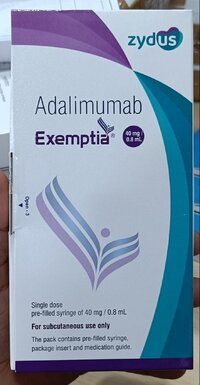
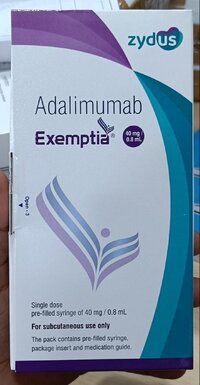
Information about Adalimumab
Adalimumab Uses
Adalimumab is used in the treatment of ankylosing spondylitis, rheumatoid arthritis, psoriasis, Ulcerative colitis and Crohns disease.
How Adalimumab works
Adalimumab blocks the action of certain chemical messengers that are responsible for inflammation, swelling and redness associated with certain joint diseases.
Common side effects of Adalimumab
Sinus inflammation, Upper respiratory tract infection, Injection site reactions (pain, swelling, redness), Infection
Targeted Treatment for Autoimmune ConditionsAdalimumab Injection specifically addresses chronic inflammatory disorders by targeting immune system overactivity. Suitable for a range of autoimmune conditions, it helps alleviate symptoms such as joint pain, swelling, and skin lesions. Its biologic action offers improved disease control for patients who may not respond well to conventional therapy, greatly enhancing quality of life.
Simple and Convenient AdministrationThis injection comes in a pre-filled syringe, allowing subcutaneous self-administration or use by healthcare professionals. Its liquid form is clear to slightly yellowish, and does not contain preservatives. Patients must follow their physician's instructions regarding dosing, which is commonly 40 mg every other week, tailored to individual needs and conditions.
Safe Storage and HandlingTo maintain effectiveness, Adalimumab Injection should be stored between 2C and 8C in its original packaging, protected from light. It must not be frozen. Proper storage preserves its quality for up to 24 months from the manufacturing date, ensuring consistent efficacy for users and suppliers alike.
FAQ's of Adalimumab Injection:
Q: How should Adalimumab Injection be administered?
A: Adalimumab Injection is given by subcutaneous injection, usually in the thigh or abdomen. Administration can be done at home or by a healthcare professional. Always follow your physician's instructions regarding technique and schedule.
Q: What conditions is Adalimumab Injection approved to treat?
A: This injection is approved for various autoimmune diseases, including rheumatoid arthritis, ankylosing spondylitis, Crohn's disease, ulcerative colitis, plaque psoriasis, psoriatic arthritis, and juvenile idiopathic arthritis.
Q: When should Adalimumab Injection not be used?
A: Do not use this product if you have a serious active infection, such as tuberculosis, or if you have a known hypersensitivity to Adalimumab or its ingredients. Consult your doctor before starting therapy.
Q: Where should Adalimumab Injection be stored?
A: Store the injection in a refrigerator at 2C to 8C. Keep it in the original box to protect it from light and do not freeze. Ensure it remains out of reach of children.
Q: What are the possible side effects of Adalimumab Injection?
A: Common side effects include injection site reactions, headache, respiratory infections, rash, and nausea. If you experience severe symptoms or allergic reactions, seek medical attention promptly.
Q: How does Adalimumab Injection benefit patients with autoimmune diseases?
A: Adalimumab helps reduce inflammation and suppresses abnormal immune activity. This leads to improved symptom control, reduced flare-ups, and better overall function in daily activities for most patients.
Q: Can Adalimumab interact with other medications?
A: Yes, Adalimumab may interact with other immunosuppressive drugs. Always inform your physician of all medications you are taking to prevent potential interactions.