Product Description
Product introduction
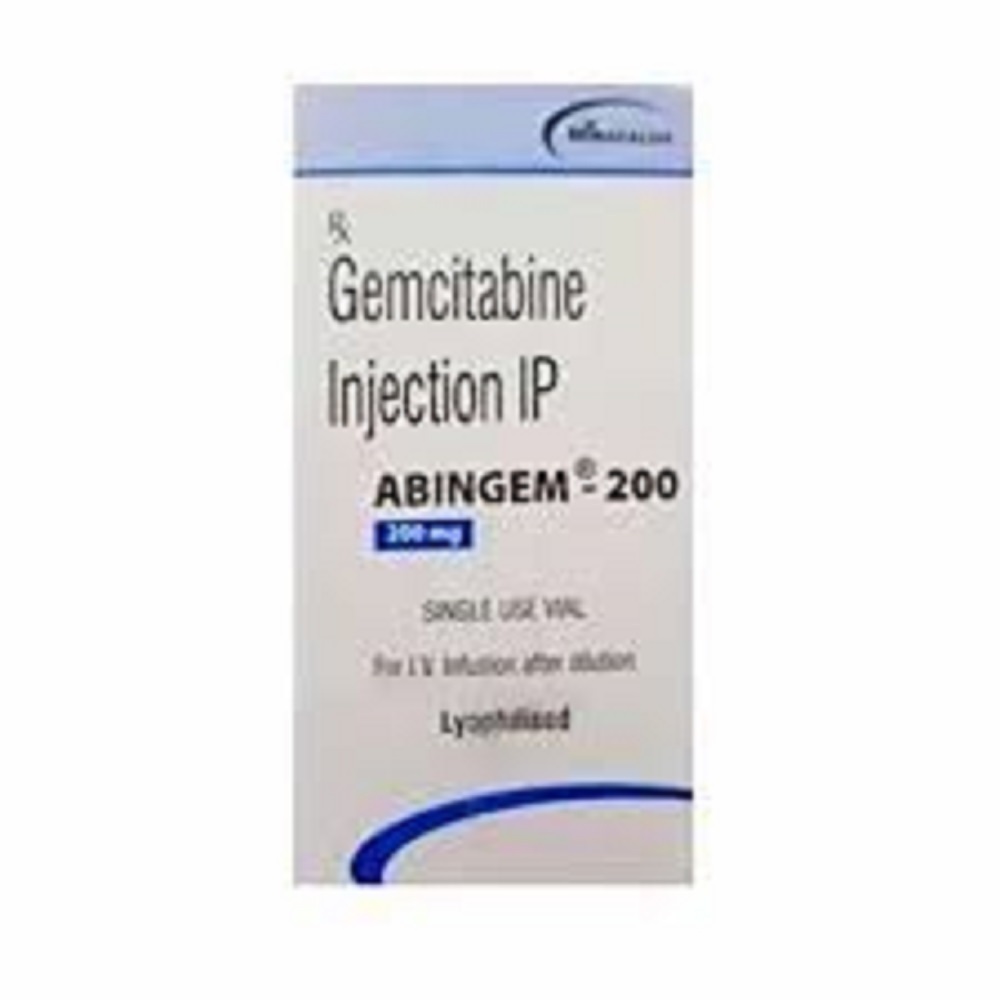
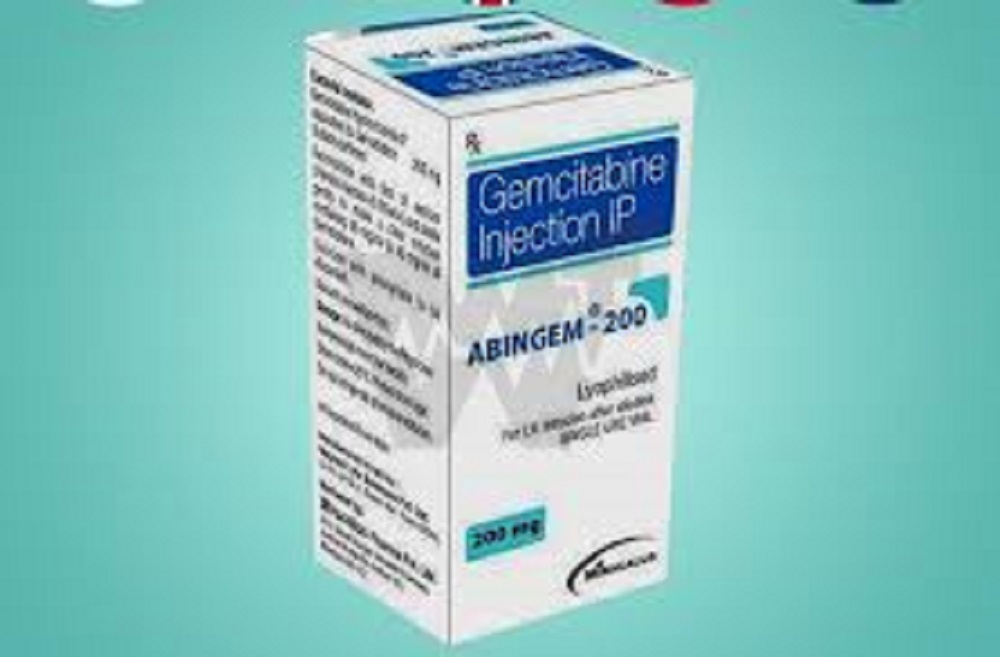
Abingem 200mg Injection is used in the treatment of non-small cell lung cancer, breast cancer, pancreatic cancer, urinary bladder cancer, and ovarian cancer.
Abingem 200mg Injection is given as an injection by a qualified medical professional. Your doctor will decide what dose is necessary and how often you need to take it. This will depend on what you are being treated for and may change from time to time. You should take it exactly as your doctor has advised. Taking it in the wrong way or taking too much can cause very serious side effects. It may take several weeks or months for you to see or feel the benefits but do not stop taking it unless your doctor tells you to.
The most common side effects of this medicine include nausea, vomiting, loss of appetite, hair loss and low blood platelets. This medicine may reduce the number of blood cells (decrease red blood and white blood cells) in your blood, thereby, increasing the susceptibility to infections. Regular blood tests are required to check your blood cells along with heart, liver, and blood uric acid levels.
Before taking it, tell your doctor if you have heart disease, liver, or kidney problems or are taking any medicines to treat infections. Many other medicines can affect, or be affected by, this medicine so let your doctor know all medications you are using. This medicine is not recommended during pregnancy or while breastfeeding. The use of effective contraception by both males and females during treatment is important to avoid pregnancy.
Oncology ApplicationsAbingem 200 Mg Injection is primarily used in oncology settings to manage and treat several types of cancer, such as pancreatic, non-small cell lung, breast, and ovarian cancer. Its cytotoxic mechanism works by interfering with cancer cell division, making it a valuable option within hospital and clinical use.
Safe Handling & AdministrationAs a cytotoxic drug, Abingem must be administered intravenously by trained medical professionals. The solution is reconstituted with 0.9% sodium chloride and should never be used unless handled in a controlled setting to prevent accidental exposure and ensure patient and staff safety.
Storage & Shelf LifeAbingem 200 Mg Injection should be stored below 25C, kept away from direct light, and never frozen to maintain its efficacy. Adhering to these storage guidelines preserves the medicine's stability for up to 24 months from its manufacturing date.
FAQ's of Abingem 200 Mg Injection:
Q: How should Abingem 200 Mg Injection be administered for optimal effect?
A: Abingem 200 Mg Injection is administered intravenously following reconstitution with 0.9% sodium chloride. Administration should be performed by healthcare professionals in a hospital or clinic setting as per the oncologist's prescription.
Q: What types of cancers can Abingem 200 Mg Injection treat?
A: This medication is approved for the treatment of several cancers, including pancreatic cancer, non-small cell lung cancer, breast cancer, and ovarian cancer, as determined by a physician's assessment.
Q: When is Abingem 200 Mg Injection contraindicated?
A: It is contraindicated in patients who are hypersensitive to Gemcitabine or any of its excipients. Always consult your doctor regarding your medical history before starting treatment.
Q: Where should Abingem 200 Mg Injection be stored prior to use?
A: Store the injection below 25C, protected from light, and do not freeze. Proper storage is essential to maintain the drug's potency and safety until the time of use.
Q: What precautions are necessary when handling Abingem 200 Mg Injection?
A: Due to its cytotoxic nature, healthcare providers must wear appropriate protective gear and follow strict protocols to prevent skin contact, inhalation, or accidental exposure during preparation and administration.
Q: What benefits does Abingem 200 Mg Injection offer to patients with cancer?
A: When administered as prescribed, Abingem can help manage and control the progression of several cancers, potentially improving life expectancy and quality of life for patients undergoing treatment.