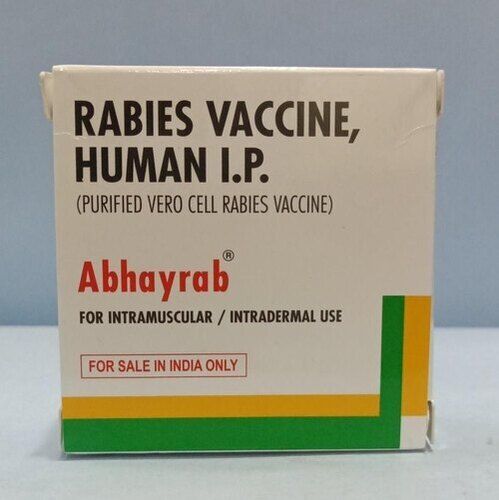
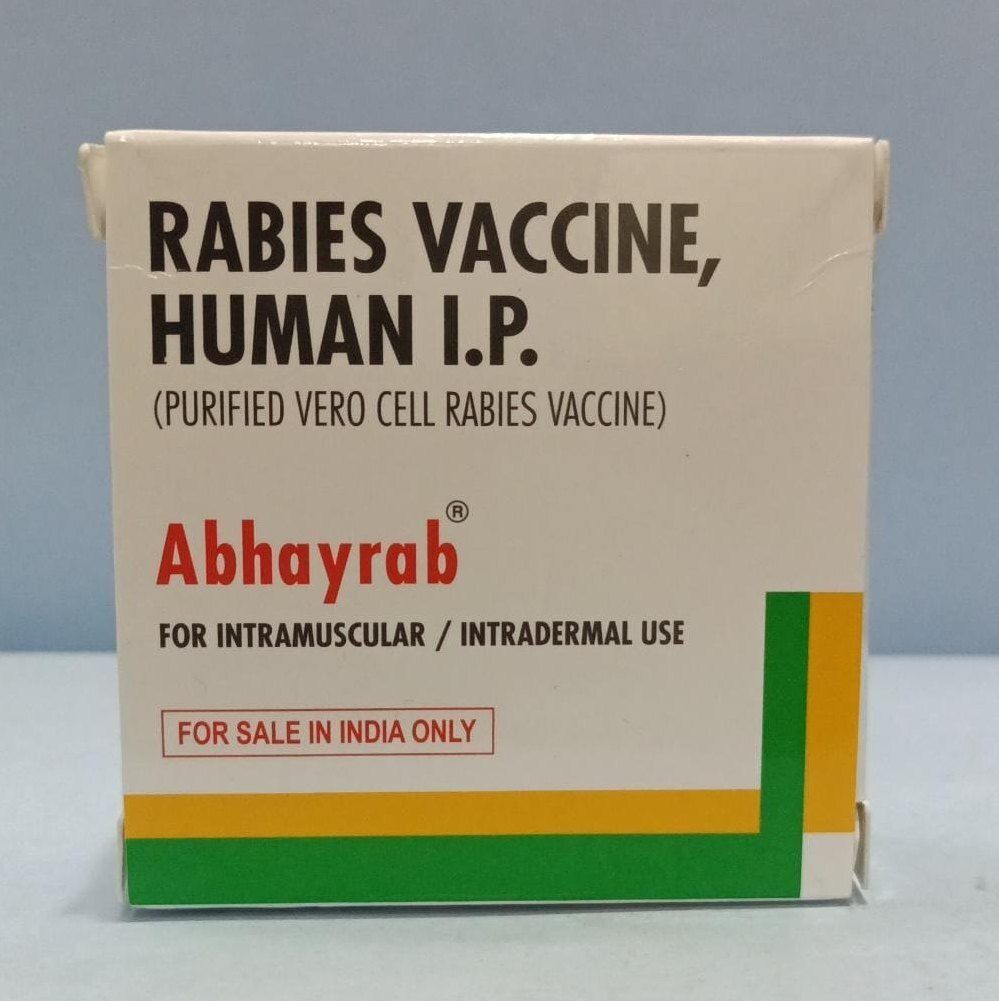
Product Description
Product introduction
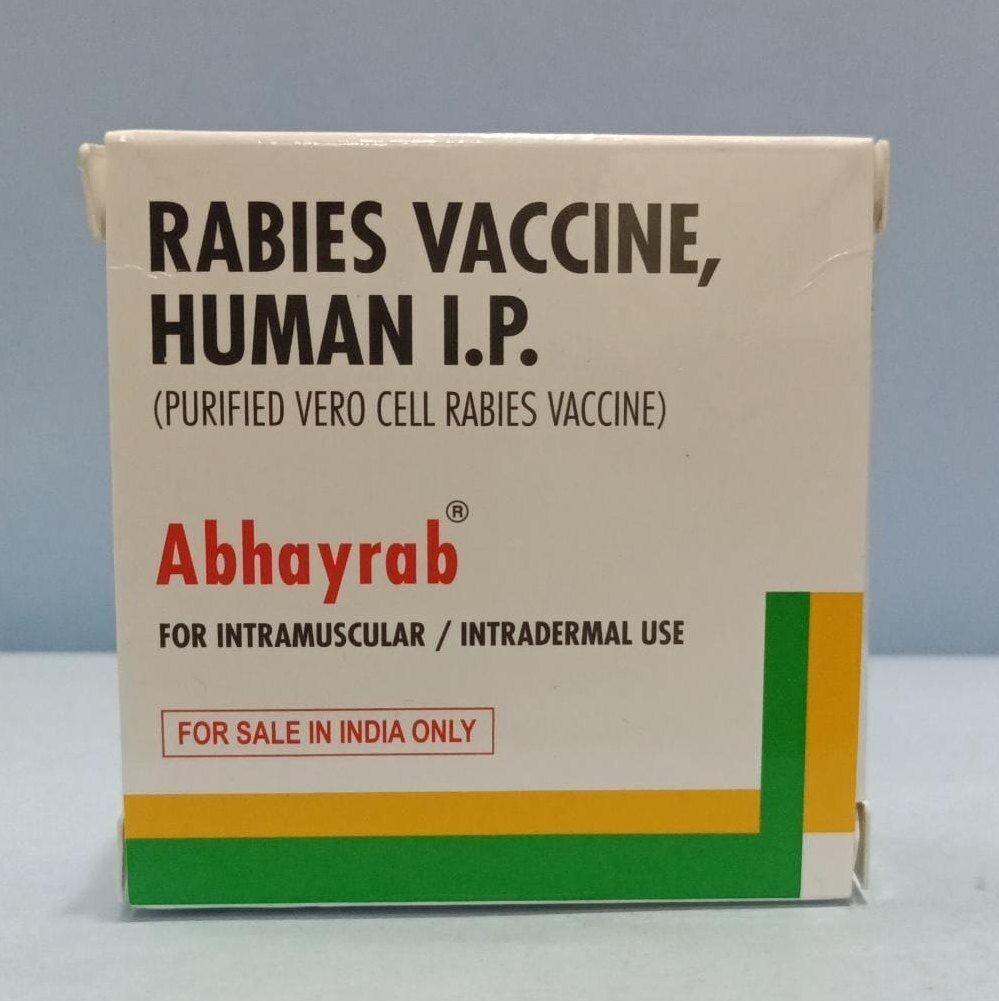
Abhayrab Vaccine is given to people who are at higher risk of coming in contact with rabies like veterinarians. It is also given to people after an animal bite if the animal could have rabies. If the vaccine is given immediately and appropriately, it is 100 percent effective.
Abhayrab Vaccine is given by injection by a doctor or nurse. It is administered post thorough washing (for about 15 minutes, with soap and copious amounts of water) of all bite wounds as early as possible. The sooner treatment is begun after exposure, the better. Post-exposure anti-rabies vaccination should always include administration of both Immunoglobulin and vaccine, with the exception of persons who have previously received complete vaccination regimens. It is very very important to complete the course of the vaccine to prevent this fatal disease.
The most common side effects include pain, joint pain, vaccination site redness as well as swelling. They do not normally last very long. Sitting or lying down can sometimes help. Consult your doctor if any of the side effects persist or worry you.
Before having the injection, you should tell your doctor if you have ever had an allergic reaction to a vaccine. Some other medicines may react with the rabies vaccine, so let your doctor know about all the medicine you are taking as well.
Uses of Abhayrab Powder for Injection
Benefits of Abhayrab Powder for Injection
In Prevention of Rabies
Rabies is a serious disease caused by the rabies virus. It is transmitted through the saliva of infected animals. Abhayrab Vaccine is given to people who are at higher risk of coming in contact with rabies virus like veterinarians, animal keepers, hunters, butchers, personnel in rabies research laboratories, etc., or those with a prior visit to areas in which rabies is endemic. The vaccine helps develop immunity by forming antibodies, that protect against infection caused by viruses. Vaccination can also prevent the disease if it is given to a person after they have been exposed. It is to be administered only by or under the supervision of your doctor. You should not self-administer this medicine.
Comprehensive Rabies ProtectionAbhayrab provides reliable protection against rabies, a potentially fatal viral infection, through both preventative and responsive treatment. Its efficacy is clinically proven for anyone at risk of rabies, whether for routine prevention or emergency intervention following suspected exposure.
Simple and Safe AdministrationThis vaccine is administered by a healthcare professional, either intramuscularly or intradermally, according to the prescribed schedule. Users should ensure the solution is clear and use the entire vial immediately after opening, following the shake well instruction to optimize vaccine potency.
Quality and Storage AssuranceAbhayrab is formulated with high purity standards, containing rabies antigen, human albumin, HEPES buffer, and stabilizers. To maintain effectiveness, it must be stored between 2C to 8C and never be frozen. Proper storage preserves potency throughout its 36-month shelf life.
FAQ's of Abhayrab Rabies Vaccine:
Q: How should the Abhayrab Rabies Vaccine be administered?
A: The Abhayrab vaccine should be administered by a healthcare professional through intramuscular or intradermal injection, using the dosage and schedule recommended for pre-exposure or post-exposure prophylaxis.
Q: What precautions should I take before using the Abhayrab vaccine?
A: Before using Abhayrab, ensure you do not have hypersensitivity to any component of the vaccine. Shake the vial well before use, check that the solution is clear and particle-free, and use the dose immediately after opening.
Q: When is the Abhayrab vaccine recommended?
A: Abhayrab is recommended for both pre-exposure prophylaxis in those at risk of rabies and for post-exposure prophylaxis after a suspected rabies exposure, such as from an animal bite.
Q: Where should I store the Abhayrab vaccine?
A: Store the Abhayrab vaccine in a refrigerator between 2C to 8C. Do not freeze the vaccine, as freezing may compromise its effectiveness.
Q: What are the common side effects of the Abhayrab vaccine?
A: The most common side effects are pain at the injection site and mild fever. Rarely, allergic reactions may occur. Notify your healthcare provider if you experience any adverse reactions.
Q: Who should avoid receiving the Abhayrab vaccine?
A: Individuals with known hypersensitivity to any component of the vaccine should not receive Abhayrab. Consult your healthcare professional if you have a history of severe allergic reactions.
Q: What are the benefits of using Abhayrab for rabies prevention?
A: Abhayrab offers effective prevention against rabies infection when used as directed, significantly reducing the risk of developing rabies after possible exposure.